





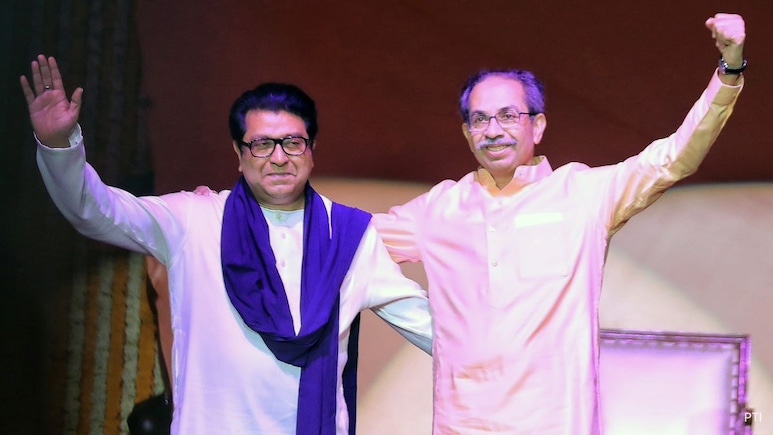
Back in 2013, Uddhav Thackeray extended an olive branch by proposing reconciliation through his newspaper Saamna, only for Raj Thackeray to dismiss the gesture completely. Now, twelve years on, Raj and Uddhav have reunited. Observers of Maharashtra politics are keenly watching what could become a fresh chapter in the long-running drama of the estranged Thackeray cousins. At present, both Uddhav and Raj find themselves in a vulnerable stage of their political journeys, with prevailing conditions that led them to seriously consider reconciliation.
In 1988, as Raj Thackeray started taking an active interest in Shiv Sena matters, political circles were filled with talk that he would emerge as Bal Thackeray's chosen political successor. This assumption had solid grounds. Raj displayed numerous characteristics similar to those of his uncle, the towering Shiv Sena chief Bal Thackeray. Beyond sharing a striking facial resemblance with Bal, Raj also exhibited the same fiery temperament and powerful speaking style. Additionally, just like Bal Thackeray, he had a genuine passion for sketching cartoons. Uddhav, the third son of Bal Thackeray, originally limited his role to capturing photographs of his father during public rallies, but he gradually developed a keen interest in politics during the early 1990s.
Bal Thackeray took steps to prepare him for leadership within the party as well. In contrast to the charismatic and bold Raj, Uddhav came across as modest and reserved in speech, quite different from both his father and his cousin.
Nevertheless, both cousins held significant influence over the party's key decisions. The month of July 1996 marked a decisive shift in Raj Thackeray's political path. On July 23, the body of a man named Ramesh Kini was discovered inside a cinema hall in Pune. His wife, Sheela, accused Raj and his associates of subjecting her husband to severe mental harassment in order to force him to leave a rented apartment on behalf of the property owner. The controversy triggered widespread political outrage and created major embarrassment for the Shiv Sena. Eventually, the CBI stepped in to investigate, questioning Raj Thackeray and even taking his close aide, Ashutosh Rane, into custody. Although Raj's name was eventually cleared several months later, the episode significantly changed the direction of his political career and seriously undermined his position inside the party.
Read: The Curious Case Of Mumbai's Missing Allies As Civic Polls Approach
While Raj remained entangled in the legal matter, Uddhav steadily rose in influence within Shiv Sena and began exercising real authority. Uddhav's superiority over Raj became clearly visible when he started taking crucial decisions on behalf of the party and deliberately marginalised Raj's loyalists during the allocation of tickets for both Vidhan Sabha and BMC elections. Uddhav built a tight-knit group of advisors around himself, which effectively insulated him from the rest of the party workers.
Tensions between the two cousins escalated to such an extent that they deliberately avoided any direct encounters. In 2003, Uddhav introduced the "Me Mumbaikar" initiative aimed at embracing residents of Mumbai who did not speak Marathi. Yet, supporters belonging to Raj Thackeray's camp assaulted north Indian individuals at Kalyan railway station, completely undermining Uddhav's effort.
The animosity between Uddhav and Raj deepened further once Uddhav was appointed Executive President of Shiv Sena in 2003. Raj increasingly felt that his own aspirations were being suppressed by the decisions Uddhav was making. In the end, this mounting resentment led Raj to part ways with the party and establish his separate organisation, the Maharashtra Navnirman Sena (MNS), in 2006.
The newly formed party presented a serious challenge to Uddhav. During the 2009 Vidhan Sabha elections, even though MNS secured just 13 seats, it managed to defeat several Shiv Sena candidates across multiple constituencies by splitting the votes. While Shiv Sena grappled with a genuine threat to its survival, MNS achieved the notable feat of getting its own mayor elected in the Nashik municipal corporation.
Read: "If Mumbai Slips Out Of Hands...": Raj Thackeray's Warning For Civic Body Polls
Perceiving the danger that MNS represented, Uddhav made an indirect peace overture to Raj through an interview published in Saamna. Raj, however, turned down the proposal and publicly confirmed his rejection during a rally held just days afterwards.
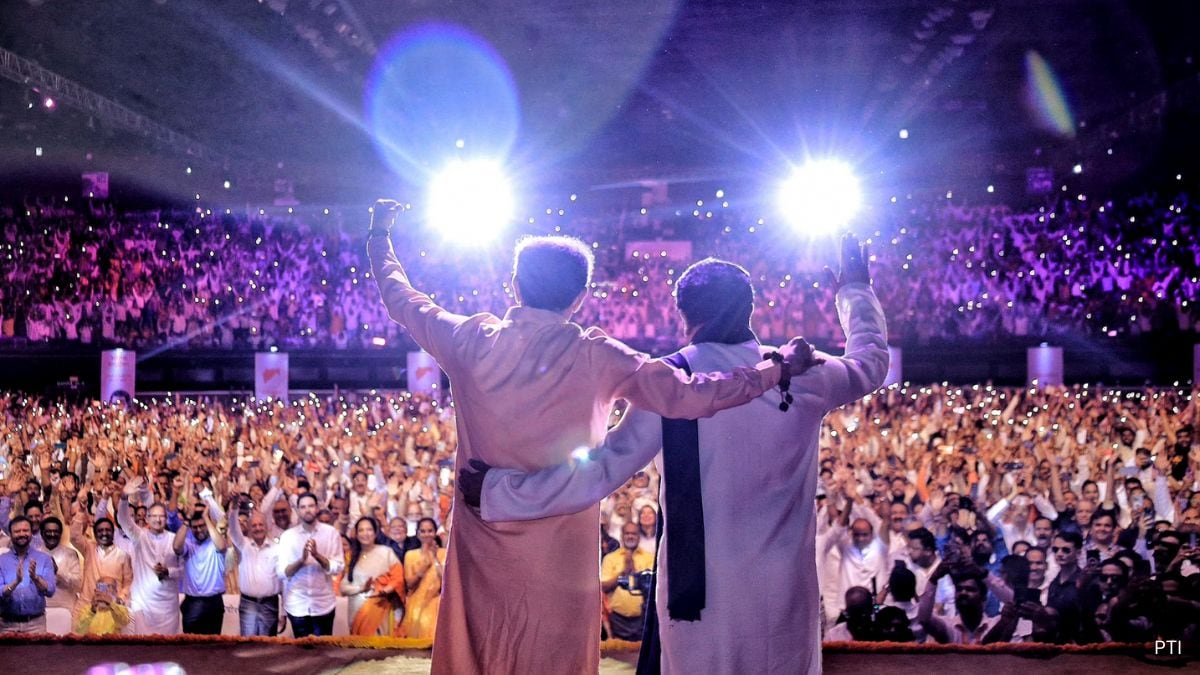
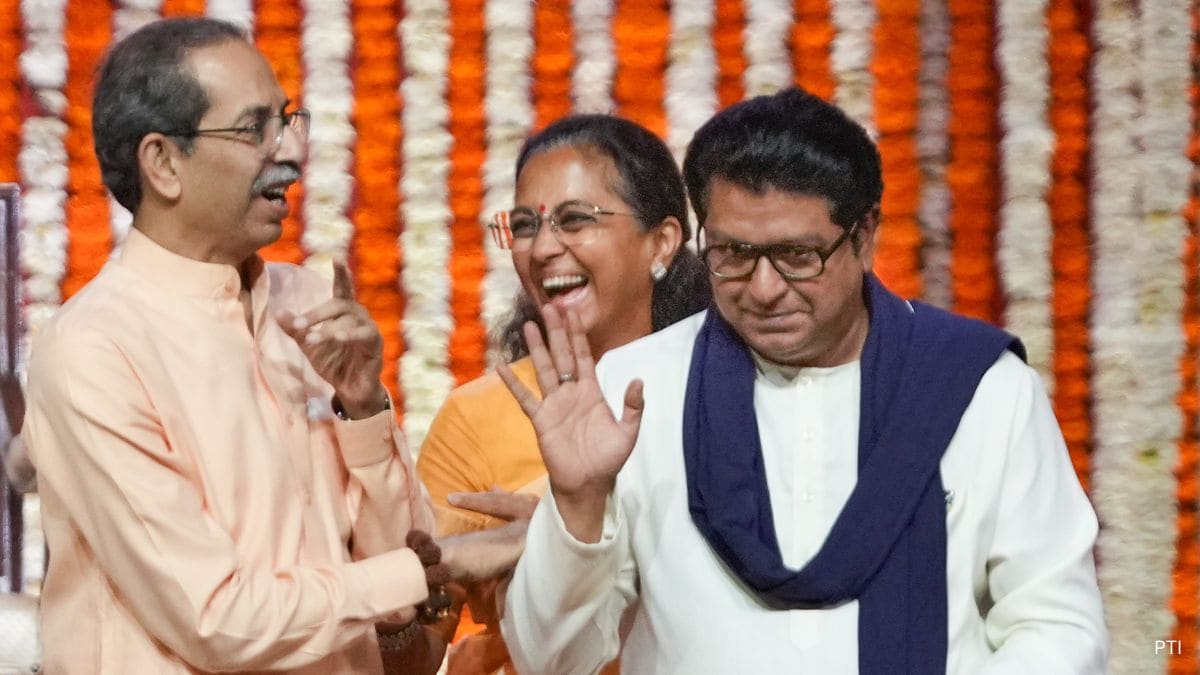
Earlier this year, during a podcast conducted by the well-known filmmaker Mahesh Manjrekar, Raj openly expressed his readiness to put aside past differences. Uddhav, too, conveyed a positive inclination toward reuniting with his long-estranged cousin, provided that Raj keeps a clear distance from the BJP. Subsequently, a large-scale event took place at Worli to formally declare the reconciliation between the two separated cousins.
Current realities have forced both Thackerays to move beyond old grudges and explore unity purely for the sake of their political survival. Uddhav has endured substantial setbacks following the rebellion led by Eknath Shinde, while Raj Thackeray's MNS has been decorated in the last Vidhan Sabha elections.
Track Latest News Live on NDTV.com and get news updates from India and around the world

