





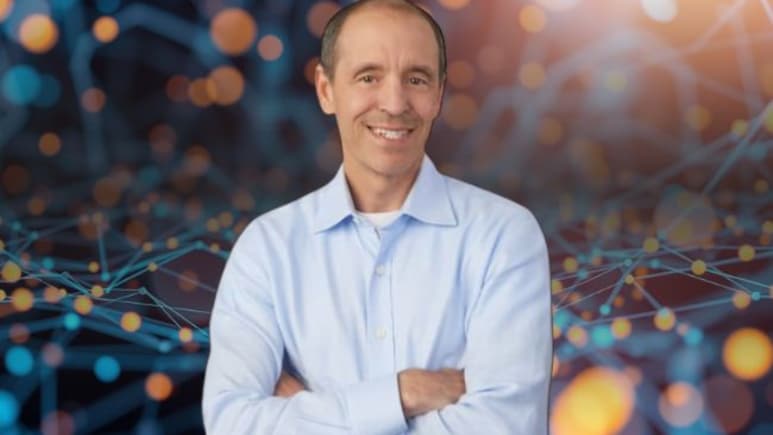
Getting AI right requires granting widespread and fair access to artificial intelligence, Chris Lehane, OpenAI's chief global relations officer, has said. In an op-ed for Semafor Technology, the Head of Public Policy at OpenAI compared AI to electricity, adding that governments should help ensure it is accessible and secure.
“Getting AI Right” for Everyone
According to Chris Lehane, the "Intelligence Age" would necessitate new rights similar to those provided by social safety nets and public education during previous economic transformations. Exclusion from modern civic and commercial life would be avoided by incorporating useful, open AI tools available to everyone.
Lehane contended that in the digital era, AI must be considered a fundamental right. He compared it to revolutionary infrastructures such as the internet, electricity, and railroads—technologies that created great benefits but also worsened economic and social gaps when access was unequal.
Safe and Trustworthy Accessible AI
Lehane stressed that without strict safety and accountability measures, access is not enough. To avoid damage, manipulation, or fraud, he contended that AI systems needed to be tested, evaluated, and governed. Access to AI that continues to advance in capability, utility, and effect should also be integrally linked to safe and reliable AI.
Infrastructure, Skills, and AI Literacy
It will take a significant amount of infrastructure, such as data centres, computer hardware, and dependable energy sources, to provide widespread access to AI, he said.
In addition to physical infrastructure, Lehane emphasised the value of investing in human capital, employee learning and development, incorporating AI literacy into lifelong learning programs, vocational training, and educational institutions.
He maintained that AI education is important for raising living standards, boosting economic competitiveness, and promoting democratic engagement, in addition to job resiliency.
AI for Public-Sector Adoption
Lehane advised against a small number of platforms controlling an AI ecosystem. He urged customer choice, data portability, and interoperability to guarantee a competitive industry. He also advised governments to use AI in public administration, healthcare, and education in order to increase transparency and efficiency. Watch the full conversation here.
Who Is Chris Lehane?
Lehane oversees government affairs and worldwide policy as a senior policy executive at OpenAI. He developed a career in strategic communications and US public service prior to joining the technology industry, which included positions in the Clinton administration and well-known business advisory work.
Lehane's portfolio at OpenAI is centred on establishing a connection between swift technical advancement and regulatory structures. The organisation has repeatedly called for international collaboration on AI standards, safety, and risk management—priorities underlined during the meeting in New Delhi.
Lehane will be speaking at the NDTV Ind.AI Summit in New Delhi, where researchers, industry executives, and politicians discuss the best ways to manage and use AI.
The summit has been framed as a discussion on India's AI future, placing a high priority on responsible adoption, public trust, and equal access. Besides Lehane, key speakers at the summit include former UK Prime Minister Rishi Sunak, NVIDIA Executive Vice President Jay Puri, Glean founder and CEO Arvind Jain, Sarvam AI co-founder Pratyush Kumar, and Eleven Labs co-founder Mati Staniszewski.
Track Latest News Live on NDTV.com and get news updates from India and around the world

