





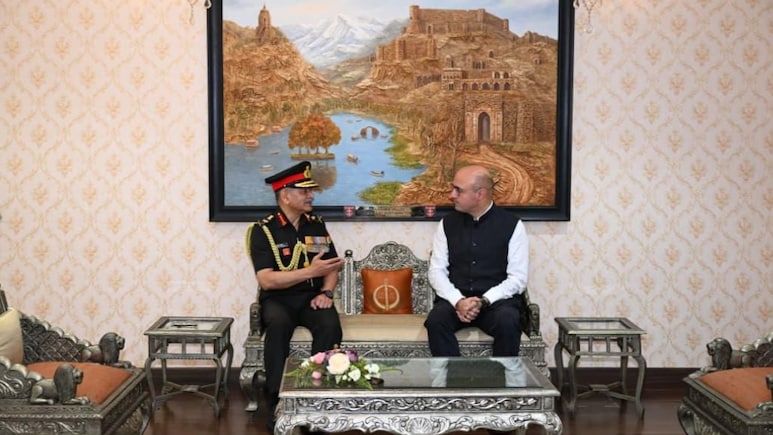
Operation Sindoor has made it clear that armed conflicts can be short and strategically, it established a new normal for India's response to terror, Indian Army Chief General Upendra Dwivedi told NDTV in an exclusive interview today on the eve of his retirement.
Operation Sindoor was India's armed response weeks after the terror attack in Pahalgam -- in which 27 people died on April 22 last year.
Read: Operation Sindoor: What India Achieved - NDTV Explains
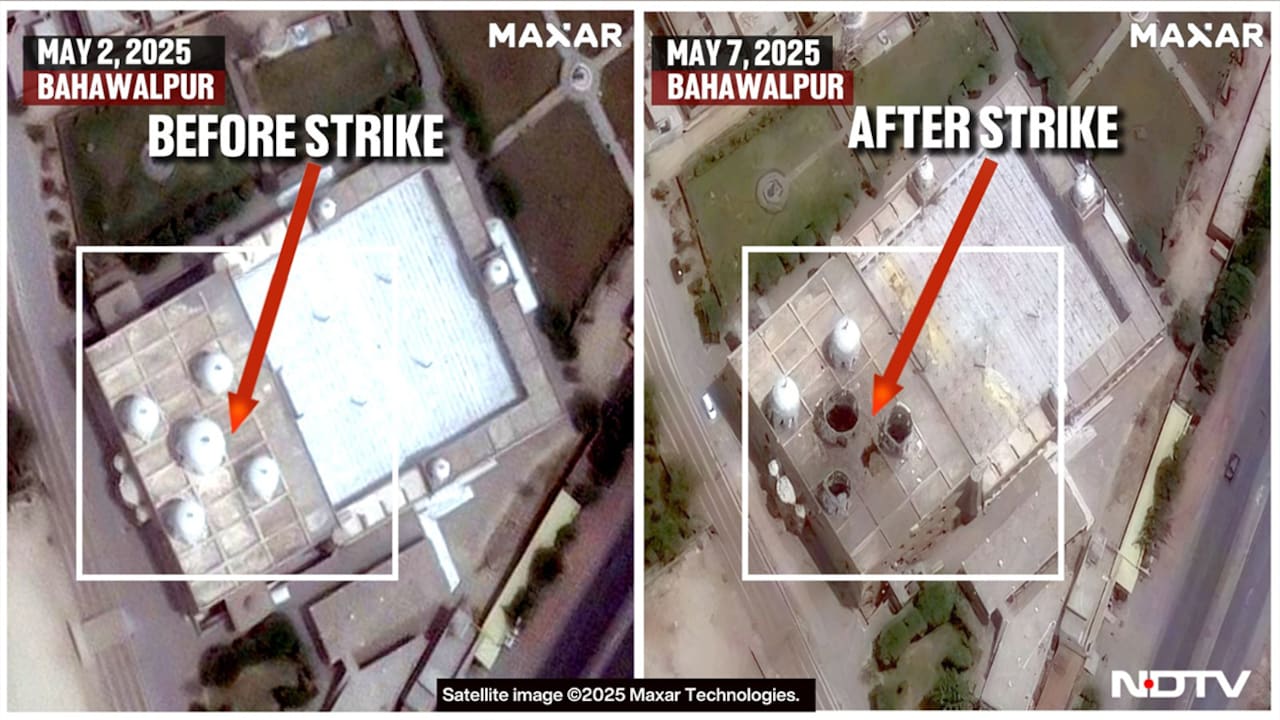
Within weeks, between May 7 and 10, India conducted precision attacks on terror launchpads run by Lashkar-e Taiba and Jaish-e Mohammad in Pakistan and Pakistan-Occupied Kashmir. The strikes took out nine terrorist facilities including Bahwalpur, bypassing civilian and military hubs.
In a world where the ongoing conflicts are becoming long-drawn, Operation Sindoor demonstrated that "there is also a high possibility of conflicts being short, intense, technology-driven and fought under constant information scrutiny," General Dwivedi said.
The strategic outcome, he said, was that India "established a new normal in its response to terrorism".
The unambiguous message, he said, was that "any act of terrorism will invite a decisive response, and there will be no distinction between terrorists and those who sponsor or enable them".
Read: Exclusive: Army Chief On Future Wars, China And His Most Significant Service Moment
"The operation demonstrated that national will, credible intelligence, precision targeting, joint planning and calibrated escalation control can come together to deliver decisive effects without crossing the threshold into uncontrolled conflict. It also showed that nuclear rhetoric cannot be used as a shield for terrorism," he added.
Another key lesson, General Dwivedi said, was that precision strikes must be backed by credible intelligence, resilient networks, integrated command systems and strong political-military clarity.
Asked how the operation reflected on India's self-support system, General Dwivedi said indigenous systems performed extremely well and made it clear that India's capabilities are no longer peripheral.
"They are becoming central to surveillance, communications, electronic warfare, precision engagement, information management and operational decision-making," he said.
Read: Air Force Came Up With Pak Strike Plan Within 48 Hours Of Pahalgam Attack
But he also warned that with modern warfare changing rapidly, gaps may emerge in areas like long-range precision fires, advanced munitions, drones, electronic warfare, communications and AI-enabled decision systems, the army must try and stay ahead of the curve.
Track Latest News Live on NDTV.com and get news updates from India and around the world

