





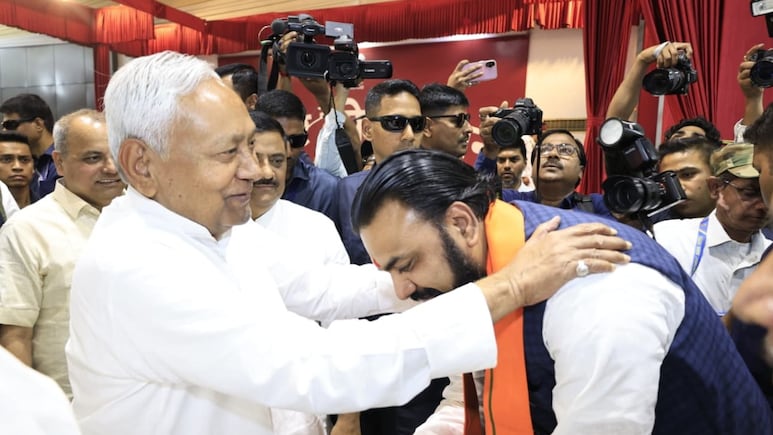
Nitish Kumar's choices appear to have hit their political mark.
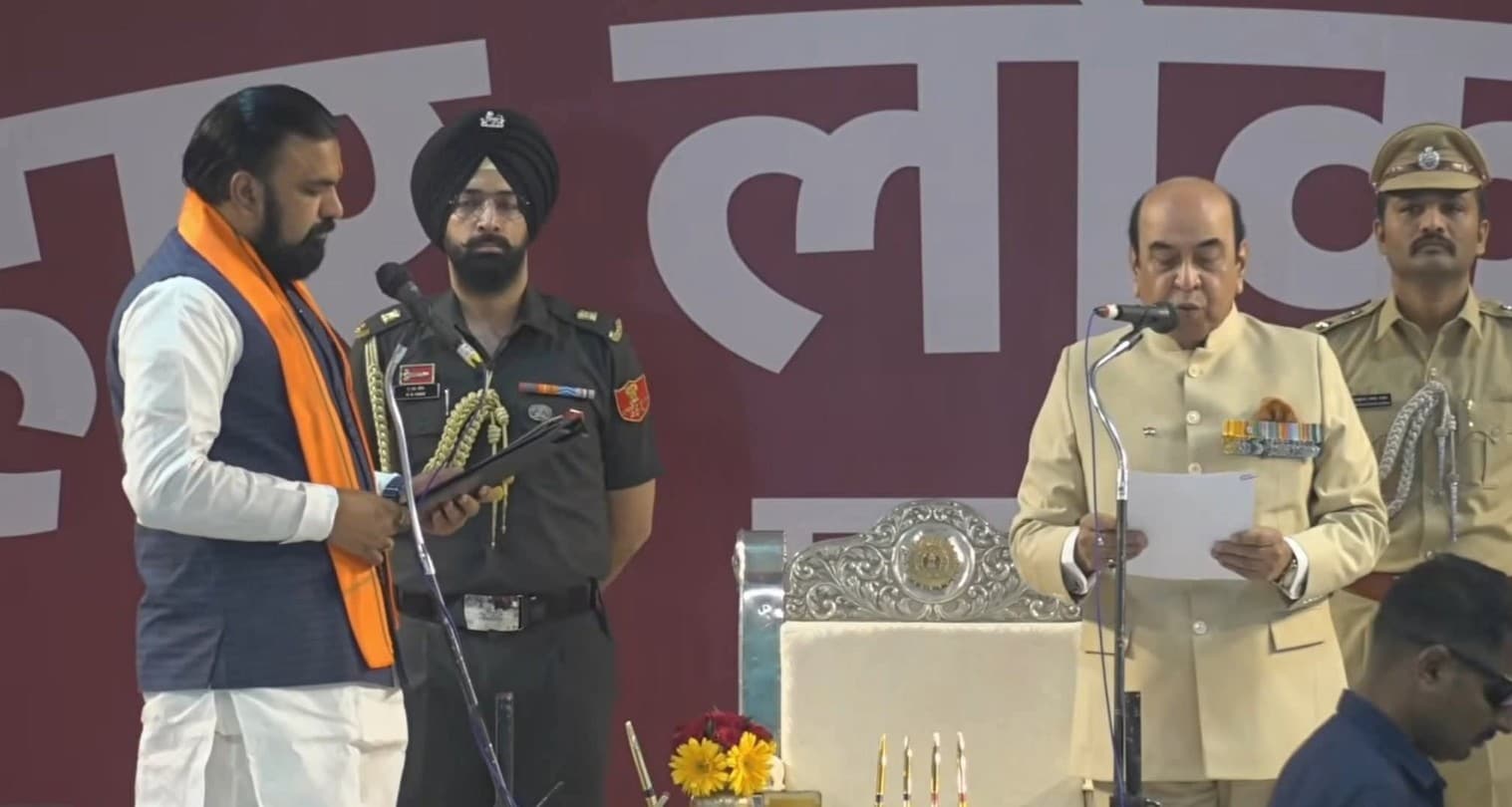
The first among them was the elevation of Samrat Choudhary as Chief Minister.
Kumar, Bihar's longest-serving Chief Minister, had been dropping hints for his deputy's elevation to the top post all along.
And this week, with Kumar, now a Rajya Sabha member, it did materialise, making Samrat Choudhary the first BJP Chief Minister in the Hindi heartland state.
There was a great chatter about the 75-year-old's health, suggesting he might not be in the best shape to make key political decisions. He, however, proved them all wrong. His party won more seats than predicted and he returned again as Chief Minister, for a record 10th term.
The BJP had a roster of names for the top job, but Nitish Kumar vetoed all of them, say sources. Samrat Chaudhary prevailed.
The JDU, Nitish's party, is in alliance with the BJP both at the Centre and in Bihar - and its support is key. The BJP understands that.
Without the JD(U), there would be no government, neither in Bihar nor at the Centre, therefore, deferring to Nitish Kumar's demands was a compulsion for them, the source said.
In Bihar, too, the chatter was that the Kurmi Chief Minister should be replaced either by another Kurmi or by a Koeri.
Choudhary, 57, belongs to the Koeri, or Kushwaha caste, a prominent other backward class (OBC) community that accounts for roughly 6-7 per cent of Bihar's population.
Among the backward castes, the Kushwaha community is the largest after the Yadavs. According to sources, Nitish Kumar's JDU had asked the BJP to appoint a Chief Minister from this very caste group.
Born in 1968, Samrat Choudhary comes from a family deeply rooted in politics. His father, Shakuni Choudhary, was a six-time MLA from the Tarapur constituency. His mother, Parvati Devi, won the same seat in 1998 for the now-defunct Samata Party.
Choudhary, who entered active politics in 1990, has pulled many a political switcheroo - from Lalu Yadav's RJD to Nitish's JDU to finally joining the BJP in 2017.
The BJP, too, favoured a Koeri Chief Minister, as the Kushwaha and Kurmi communities have remained steadfastly aligned with the NDA. This is precisely why the BJP fielded Upendra Kushwaha as the NDA's fifth candidate, ensuring his election to the Rajya Sabha, and has now appointed another Kushwaha as Chief Minister, the sources said.
The BJP leadership, said sources, wanted to avoid any big changes in the existing arrangement of castes and posts, continuing with its approach of giving prominence to castes associated with the 'Luv-Kush (Kurmi-Kushwaha)' political equation in the state.
Kumar, too, was a leader of the 'Love-Kush' (Kurmi-Koeri) community, and before stepping down, he made sure the incoming Chief Minister is also from this very caste group.
The second strategic win for Nitish Kumar was getting deputy Chief Ministers from his party.
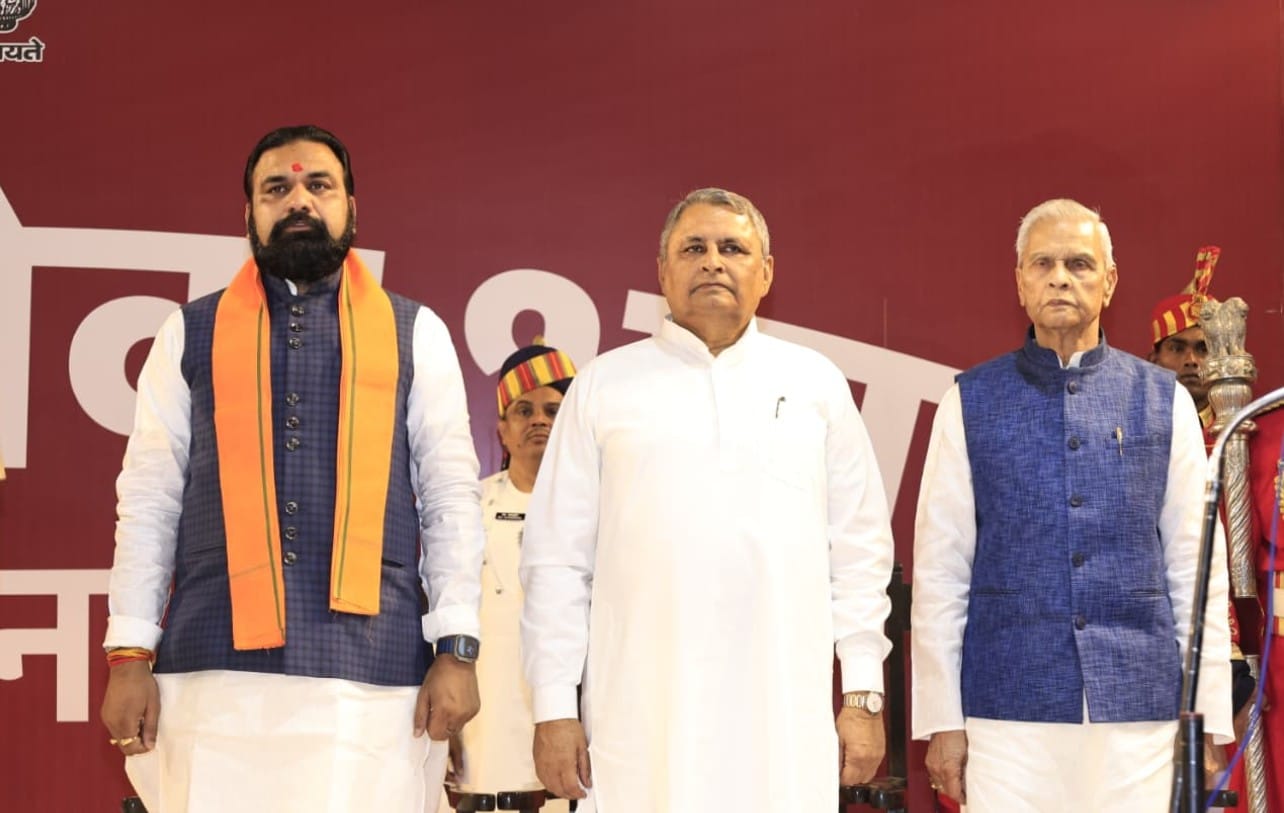
Samrat Choudhary, Vijay Kumar Choudhary and Bijendra Prasad
Photo Credit: Image posted on X by @Jduonline
Two senior leaders from JDU, Bijendra Prasad Yadav and Vijay Kumar Choudhary - one a Yadav and the other a Bhumihar - took oath as ministers on Wednesday. Both have been designated as Deputy Chief Ministers in the new BJP-led NDA government in the state.
This is an attempt to forge a new caste alliance in Bihar's politics, say political analysts.
By appointing a Yadav as Deputy Chief Minister, an effort is now underway to consolidate Bihar's three major backward castes - specifically the Yadav, Kurmi, and Kushwaha alliance - thereby further strengthening the backward-caste vote bank, they say.
And if this happens, it will impact the politics of the Rashtriya Janata Dal, or RJD.
An attempt has been made to directly challenge the politics of Tejashwi Yadav and his party by appointing Bijendra Yadav as Deputy Chief Minister.
Nitish Kumar has targeted the four major districts of North Bihar - Saharsa, Supaul, Madhepura, and Khagaria - which are strongholds of the Yadav community.
Nitish Kumar hit another bullseye by appointing Vijay Kumar Choudhary, a Deputy Chief Minister from among the upper castes. Among the Savarnas, the Bhumihar community is the most vocal and influential.
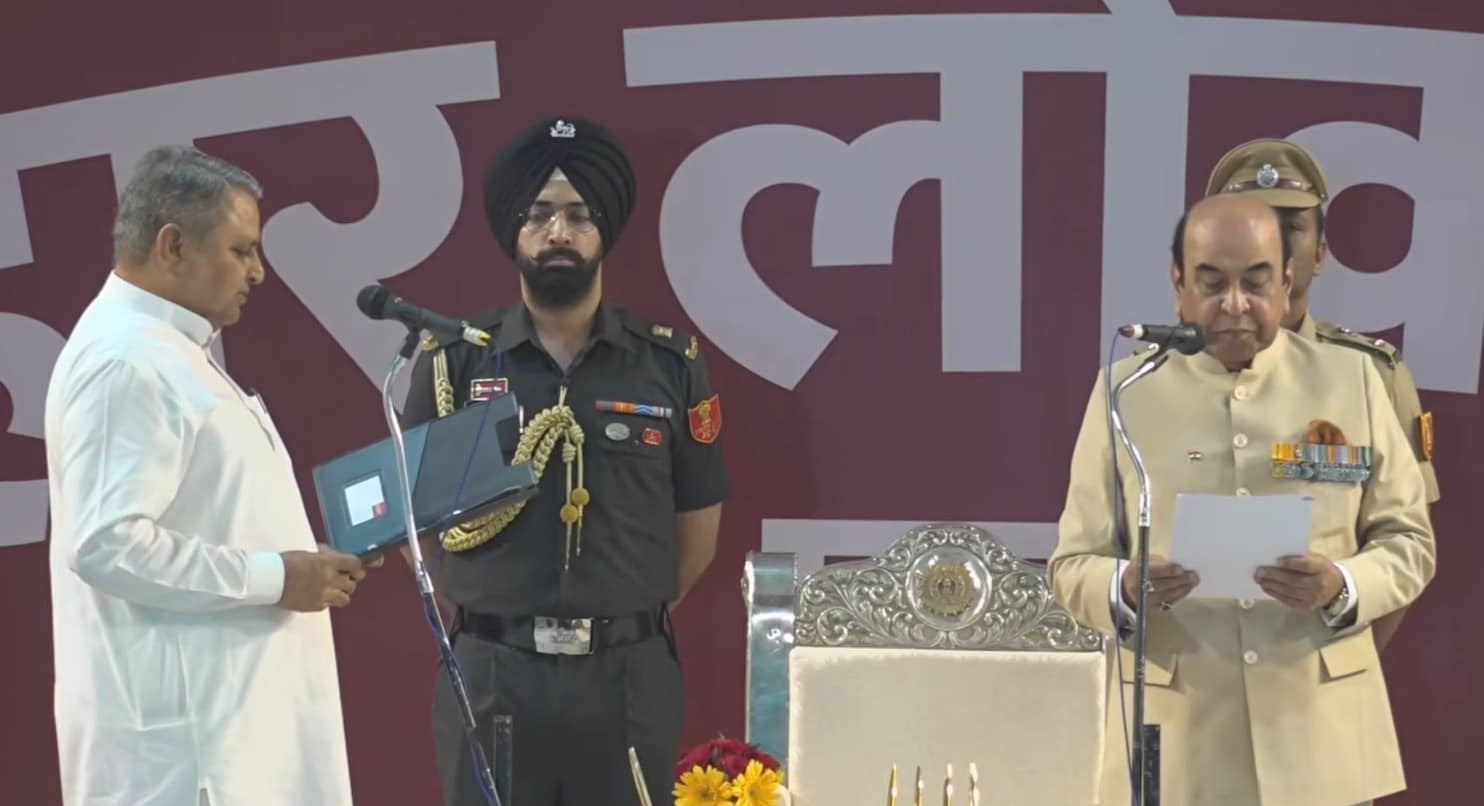
Vijay Kumar Choudhary
For several decades, this caste had found itself marginalised. However, by appointing a Deputy Chief Minister from this community, Nitish Kumar has not only sought to placate the Bhumihar community but has also breathed new political life into it. Nitish Kumar has endeavored to establish a social equilibrium within Bihar.
However, the Extremely Backward Classes constituency may feel shortchanged. It was Nitish Kumar himself who cultivated this group as his vote bank, and this group has always stood by him.
Throughout his political career, Nitish Kumar conferred significant political benefits upon the Dalit and Mahadalit communities - most notably by appointing Jitan Ram Manjhi as Chief Minister - yet he consistently refrained from bestowing the highest political office upon the Extremely Backward Classes.
Political analysts across Bihar were of the opinion that, in his final political maneuver, he would join forces with the BJP to install a Chief Minister from the Extremely Backward Classes; however, this did not come to pass.
Bihar now has a new Chief Minister and a new government.
Nitish Kumar, it appears, managed to retain his political grip even after this reshuffle.
Track Latest News Live on NDTV.com and get news updates from India and around the world

