





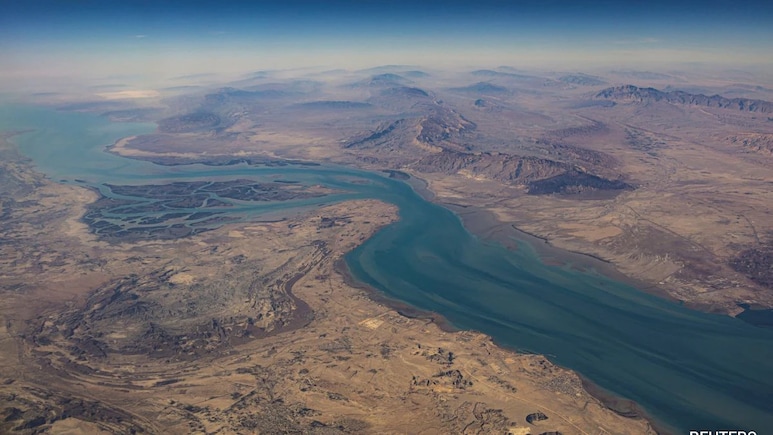
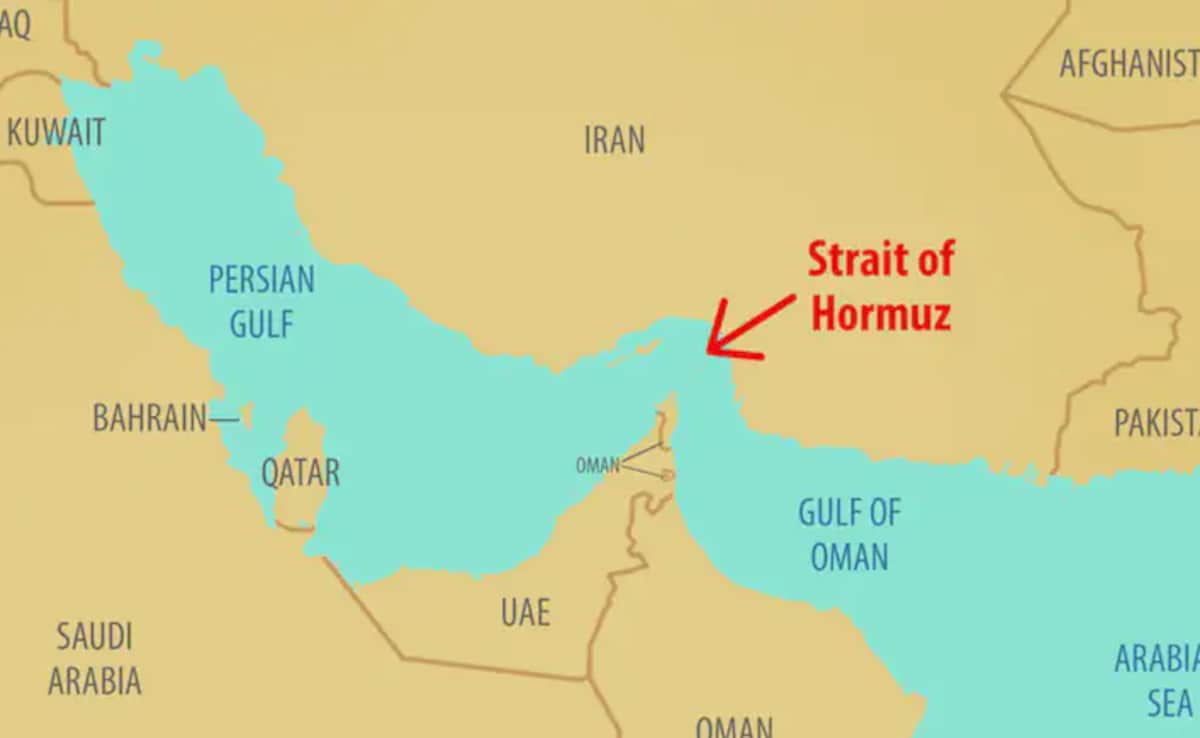
Global oil flows through the Strait of Hormuz have all but frozen, choking off nearly 86% of normal east–west crude traffic and pushing energy markets to the brink.
Data from maritime analytics firms Windward and Kpler show the waterway is not formally closed but it may as well be. On March 1, only three tankers carrying 2.8 million barrels crossed Hormuz, an 86% plunge from the 2026 daily average of 19.8 million barrels. By early March 2, just one small tanker and one small cargo ship moved through the main lanes.
Roughly 706 non‑Iranian tankers are now stacked on both sides of the strait: 334 crude carriers, 109 dirty product tankers and 263 clean product vessels. Another 26 tankers drift inside the Gulf without clear destinations. Hundreds more idle in the Gulf of Oman. Live Updates here.
A global "wait and freeze"
Oil markets reacted immediately. Brent crude surged nearly 10% to around $80 a barrel, while European gas jumped more than 40% after attacks hit Saudi Arabia's Ras Tanura refinery and a Qatari LNG plant, triggering shutdowns.
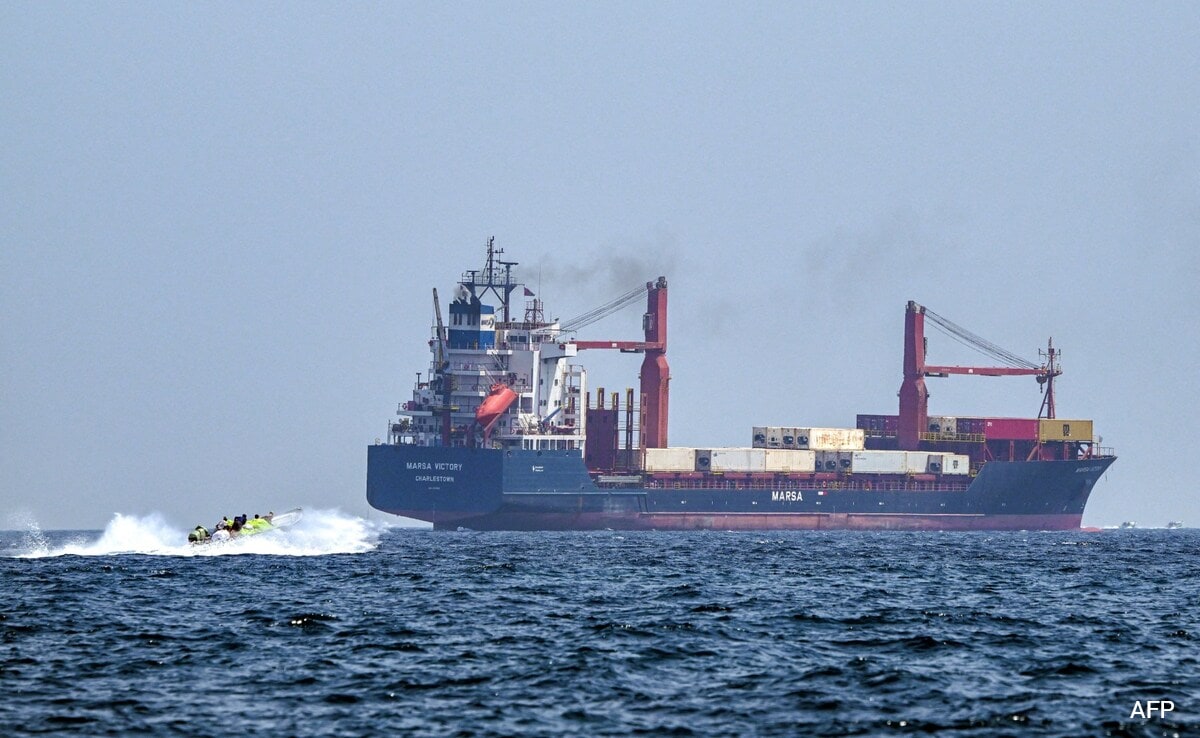
If the paralysis lasts days, tanker queues will balloon and delivery schedules will collapse. War‑risk insurance has already tightened sharply for Gulf waters. Freight rates and premiums for ships willing to approach Hormuz are climbing, costs that flow straight into fuel prices worldwide.
If it drags on for weeks, the consequences darken.
Read | "If Anyone Tries To Pass...": Iran Vows Attack After Closing Strait Of Hormuz
Refiners in Asia and Europe are scrambling for alternative barrels from the US Gulf, West Africa, Brazil and Russia. China and India, heavily reliant on Gulf crude, face immediate exposure.
In New Delhi, officials are weighing emergency steps. Multiple reports claim India may curb petrol and diesel exports to protect domestic supply, ramp up Russian crude imports and introduce demand‑management measures such as LPG rationing if disruption persists. NDTV could not independently verify these potential moves.
"We are continuously monitoring the evolving situation, and all necessary steps will be taken in order to ensure availability and affordability of major petroleum products in the country," the oil ministry said on X after Oil Minister Hardeep Puri reviewed supplies.
India exports a significant share of its refined fuels, roughly a third of its petrol and around a quarter of its diesel output, by some industry estimates. LPG is most vulnerable: India imports roughly 80–85% of its LPG needs, with the bulk coming from Gulf producers via the Strait of Hormuz. Industry estimates reportedly suggest current stocks may cover less than two weeks of consumption if fresh cargoes stop.
State refiners Indian Oil, HPCL and BPCL have begun increasing LPG output at select facilities. Puri has said India's combined crude and product reserves across strategic caverns, refineries, ports and floating storage can cover about 74 days of demand; within that, industry estimates indicate dedicated crude caverns hold roughly 17–18 days of demand and refined fuels about 20–21 days, with LNG storage covering around 10–12 days.
US President Donald Trump has warned the West Asia conflict could last "weeks, not days," raising the prospect that India may soon have to balance fuel security at home against its role as a major exporter to the world.
Track Latest News Live on NDTV.com and get news updates from India and around the world

