





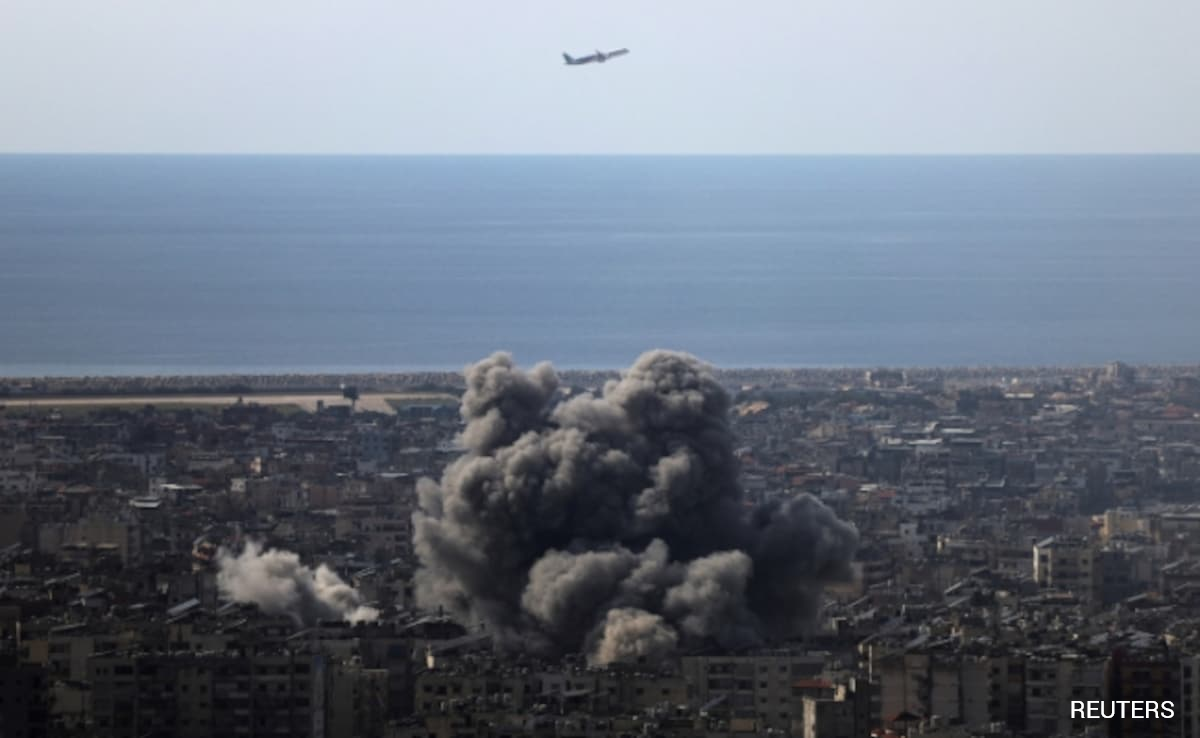
India's aviation regulator has asked airlines to avoid flying through 11 high-risk airspaces across the Middle East, citing a "high-risk environment for civil aviation" amid escalating tensions following recent strikes involving the US, Israel and Iran and the possibility of further retaliation affecting the region.
The identified high-risk zone includes airspace over Iran, Israel, Lebanon, Saudi Arabia, Bahrain, Oman, Iraq, Jordan, the UAE, Qatar and Kuwait, covering all flight levels.
The Directorate General of Civil Aviation (DGCA) issued the advisory directing all Indian carriers to steer clear of these airspaces at all altitudes and ensure contingency plans for operations to affected destinations. The order will remain in force till March 28, unless reviewed earlier.
"Operations to airports in the affected region, where other international carriers are currently operating, must involve robust contingency planning to cover all eventualities, as part of the safety risk assessments by the operators," the DGCA said.
In a specific operational directive, airlines have been told not to operate below FL320 in Saudi Arabia and Oman, a term used in aviation to denote an altitude of 32,000 feet above standard sea-level pressure. This effectively means aircraft must maintain higher cruising altitudes, keeping them farther away from potential ground-based threats or conflict-related risks.
The regulator warned that the evolving conflict has heightened risks not just over Iran but across neighbouring countries, with potential for military activity, miscalculations and operational hazards impacting civilian flights.
Where operations continue in permitted areas, airlines have been asked to deploy enhanced monitoring systems and maintain strict vigilance. The DGCA has also stressed the need for robust contingency planning, particularly for flights operating to airports in the region.
"Operators are advised to provide their flight crew with information regarding the latest NOTAMs, airspace restrictions affecting flight that are already airborne," it said.
'NOTAM' refers to a Notice to Airmen that provides real-time updates about airspace and airports to pilots and crew.
"Recent military strikes conducted by the United States and Israel against targets within Iranian territory have led to a high-risk environment for civil aviation. In response to these strikes, Iran has announced retaliatory measures," DGCA said, and added that the current situation presents critical hazards to civil flight operations.
Earlier advisories asking airlines to avoid Syrian and Yemeni airspace remain in place.
Track Latest News Live on NDTV.com and get news updates from India and around the world

