





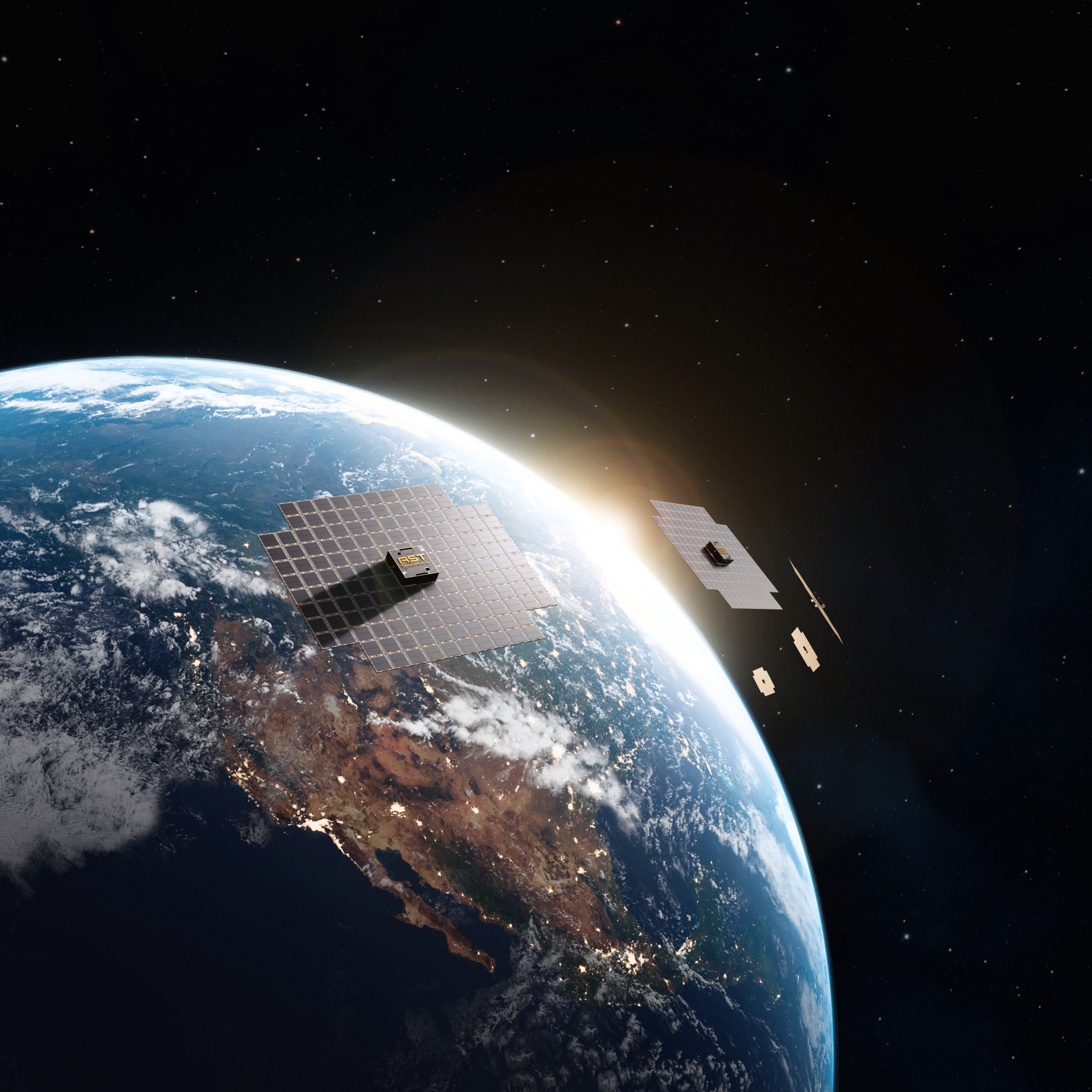
India's mighty 'Baahubali' rocket is poised to make history as the Launch Vehicle Mark-3 (LVM3), ISRO's heavyweight champion, will roar into its eighth mission on Wednesday morning - this time carrying BlueBird 6, a next-gen communications satellite from US innovator AST SpaceMobile. The goal? To beam broadband straight from space to ordinary smartphones, no special gear required.
The ISRO has taken a cautious approach and decided to delay the launch of the Launch Vehicle Mark 3 M6 flight by 90 seconds. It was earlier slated for lift off at 8.54 am from Sriharikota and the new time is 8 hours 55 minutes and 30 seconds.
ISRO confirmed that there was a chance of a collision on the flight path of the Bahuballi rocket as there was debris or a conjunction with other satellites, hence this delay. These delays are not unusual as the space above Sriharikota is getting congested with thousands of satellites passing over head. The countdown continues for the launch of the rocket.
Add image caption here
Here's all about the rocket:
- BlueBird 6 weighs nearly 6,100 kg, making it the heaviest payload ever launched by an Indian rocket. "This is the heaviest satellite lifted by our launch vehicles from India," ISRO Chairman V Narayanan told NDTV.
- Standing 43.5 meters tall and weighing 640 tonnes, LVM3 - nicknamed 'Baahubali' - is India's most powerful rocket, capable of lifting 4,200 kg to GTO and even more to LEO.
- LVM3 boasts a 100 per cent success rate across seven missions, including the historic Chandrayaan-3 lunar landing in 2023, cementing India's reputation for reliability.
- This launch, designated LVM3-M6, marks the rocket's eighth flight and third dedicated commercial mission, underscoring India's growing role in the global launch market.
- The satellite features a phased array antenna spanning 2,200 metre square (2,400 ft square) - the largest ever deployed in Low Earth Orbit - delivering 10 times the data capacity of its predecessors.
- Unlike Starlink or OneWeb, AST SpaceMobile's technology connects directly to everyday smartphones, eliminating the need for special terminals or ground stations.
- The mission signals India's entry into the high-stakes commercial launch arena, competing against giants like SpaceX, Arianespace, and Roscosmos for a share of the multi-billion-dollar global market.
- The Texas-based company aims to deploy 45-60 satellites by end-2026, enabling ubiquitous 5G broadband from space and bridging the global digital divide.
- Despite the launch, satellite-based internet remains unlicensed in India, raising questions about future policy shifts amid concerns over security and spectrum allocation.
- If successful, the mission will redefine connectivity, allowing smartphones to connect directly to space, transforming communication in remote regions and disaster zones.
Track Latest News Live on NDTV.com and get news updates from India and around the world

