





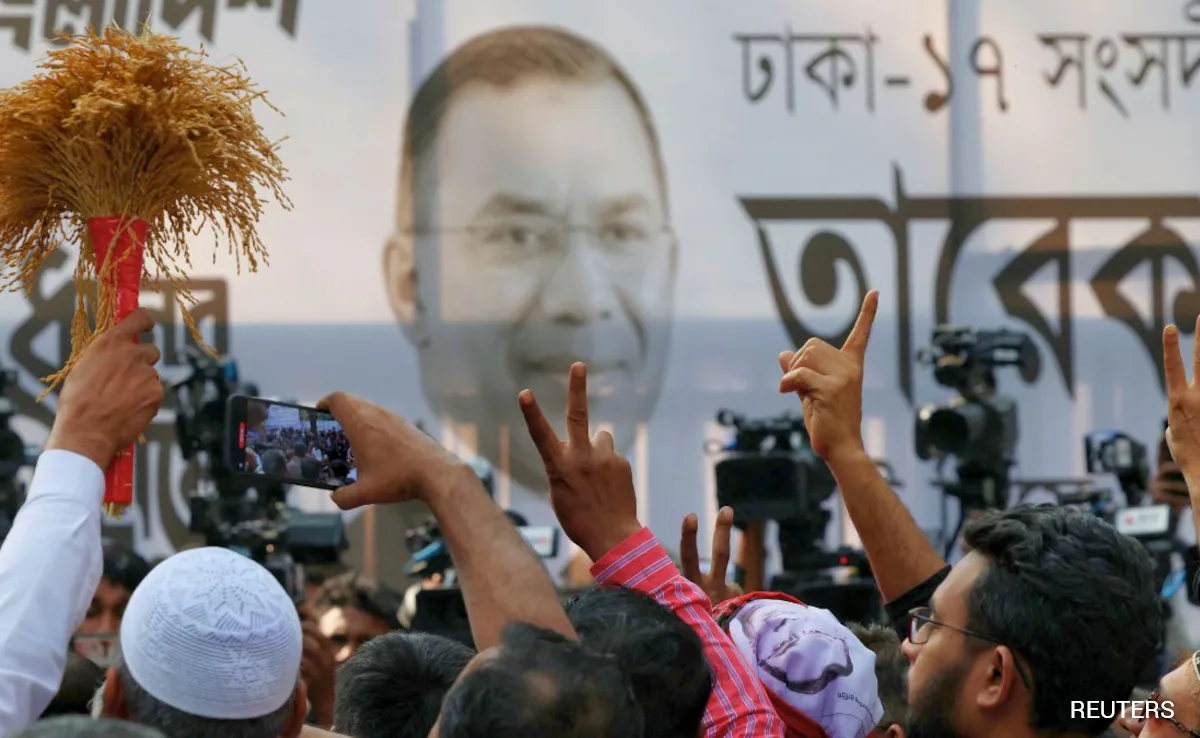
- India welcomes Bangladesh's BNP landslide as a step toward diplomatic reset
- New Delhi criticizes interim government for disrupting bilateral relations
- India plans to send senior envoy to attend Tarique Rahman's oath ceremony to reinforce ties
India is weighing its next steps with cautious optimism after a decisive electoral verdict in Bangladesh that has handed a landslide victory to the Bangladesh Nationalist Party (BNP), ending a turbulent interim phase and reopening the door for a diplomatic reset between New Delhi and Dhaka.
Senior government sources said the result reinforces India's long-stated belief that only a democratically elected government with a popular mandate can provide stability and predictability to bilateral ties between India and Bangladesh.
From New Delhi's strategic perspective, the election outcome marks a clear break from the interim administration led by Muhammad Yunus, a phase Indian officials privately describe as deeply disruptive.
According to sources, India's relations with Dhaka deteriorated sharply during this period due to what they term encouragement of "chaos and anarchy", repeated delays in restoring democratic processes, and a pattern of public blame directed at India and Indian media for bilateral frictions.
New Delhi rejects that narrative, insisting the damage was the result of policy choices made by the interim dispensation itself.
Government sources told NDTV that India has "always engaged with the elected government of the day, which has a popular mandate", underscoring New Delhi's respect for democratic processes.
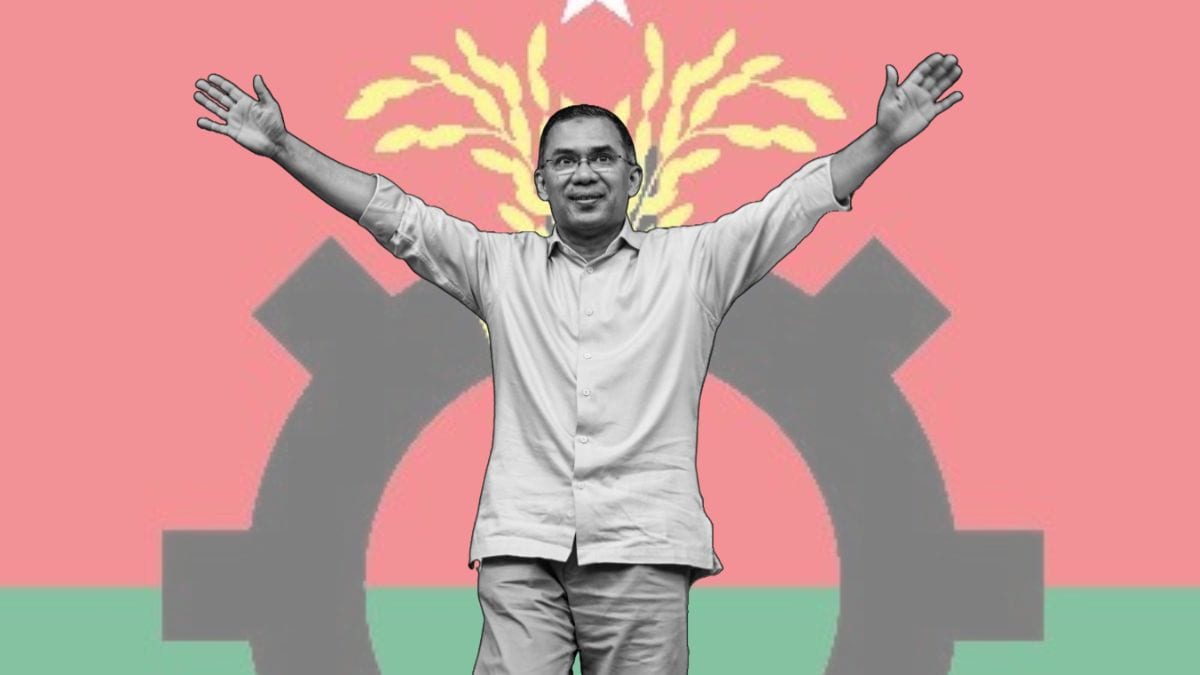
"Our belief is that a democratically elected government with a popular mandate is vital for long-term stability and progress of India-Bangladesh relations," a senior official said, adding that the verdict "endorses the sanctity of liberal values and respect for the spirit of 1971".
A particularly sensitive issue for India during the interim period was the lack of visible action against the killing and intimidation of Hindu minorities in Bangladesh. Officials said repeated concerns raised privately and publicly were not addressed adequately, further straining trust. At the same time, New Delhi believes the interim government allowed Islamist fringe groups and pro-Pakistan elements greater space in the political ecosystem - an approach Indian strategists see as detrimental not only to bilateral ties but also to Bangladesh's own internal cohesion.
Opportune Moment
Against this backdrop, India views the return of an elected leadership as an "opportune moment" to repair setbacks inflicted on the relationship. The focus now shifts to BNP's acting chairman Tarique Rahman, whom Indian officials describe as someone they are "cautiously optimistic" about. While acknowledging past differences with BNP governments, New Delhi believes Rahman may take a more pragmatic diplomatic and political approach, driven by economic realities and regional stability considerations.
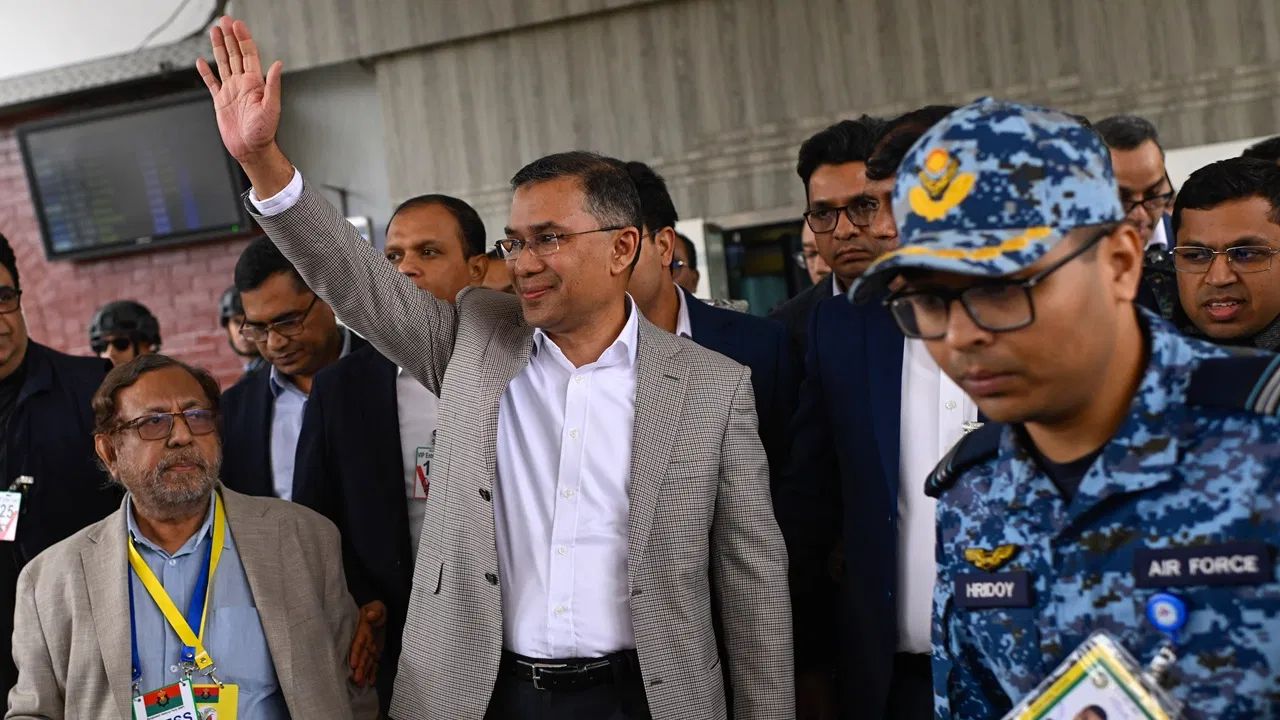
That optimism was reflected in the swift outreach from Prime Minister Narendra Modi, who posted on X that he was "delighted to speak" with Rahman and congratulated him on the "remarkable victory" in the elections. PM Modi reaffirmed India's commitment to peace, progress, and prosperity for both nations, emphasising the deep historical and cultural ties that bind the neighbours.
Diplomatic signalling is expected to continue. Government sources indicated that a senior Indian representative is likely to attend Rahman's swearing-in ceremony as Bangladesh prime minister, a move aimed at underlining New Delhi's readiness to turn the page. This would follow External Affairs Minister S Jaishankar's recent visit to Bangladesh to pay respects after the death of former prime minister and BNP chairperson Begum Khaleda Zia.
Strategically, India's approach appears clear: back democracy, re-engage constructively, and rebuild trust while remaining alert to security and minority-rights concerns. For New Delhi, the BNP victory is less about personalities and more about process - an elected government, officials argue, offers the only credible foundation for a stable, forward-looking India-Bangladesh partnership.
Track Latest News Live on NDTV.com and get news updates from India and around the world

