





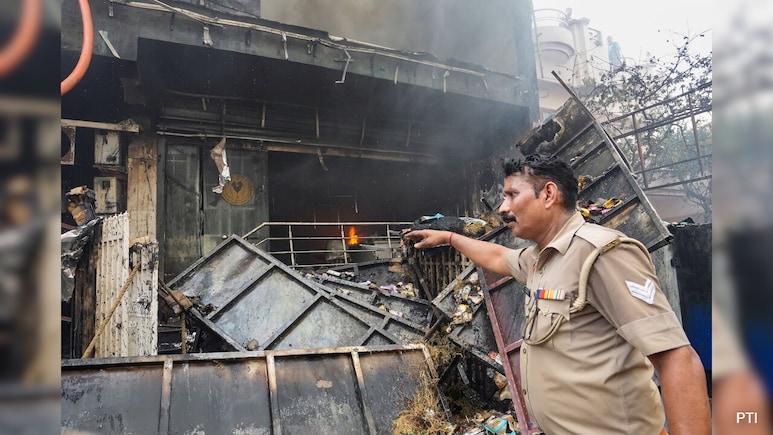
- A deadly fire at a study centre in Lucknow killed 15 students
- Delhi's major coaching clusters have narrow exits and poor fire safety measures
- Many institutions lack Fire NOCs and operate without proper safety infrastructure
Images from Lucknow's densely populated Aliganj are haunting. A fire breaks out inside a study centre. Panic spreads and students struggle to escape. By the time the smoke clears, 15 young lives are gone. The tragedy has reopened a question that resurfaces after every major disaster involving educational facilities: Are coaching centres, libraries and study hubs operating safely, or are they becoming accident hotspots hidden in plain sight?
An NDTV reality check in South Delhi's Kalu Sarai and Neb Sarai - two of the capital's largest coaching centre clusters - suggests that many of the same safety concerns continue to exist despite repeated warnings, inquiries and promises of reform.
A City of Aspirations, Built on Narrow Staircases
Every year, thousands of students arrive in Delhi chasing dreams of cracking competitive examinations such as UPSC and NEET. Many end up spending long hours inside coaching centres and libraries tucked away in congested commercial buildings.
The reality check found several institutes operating from upper floors accessible only through narrow staircases that serve as both entry and exit points. In many buildings, there were no alternative evacuation routes. Exposed electrical wiring hung above crowded lanes, while air-conditioning units, partitions and enclosed study cabins increased the fire load inside the premises.
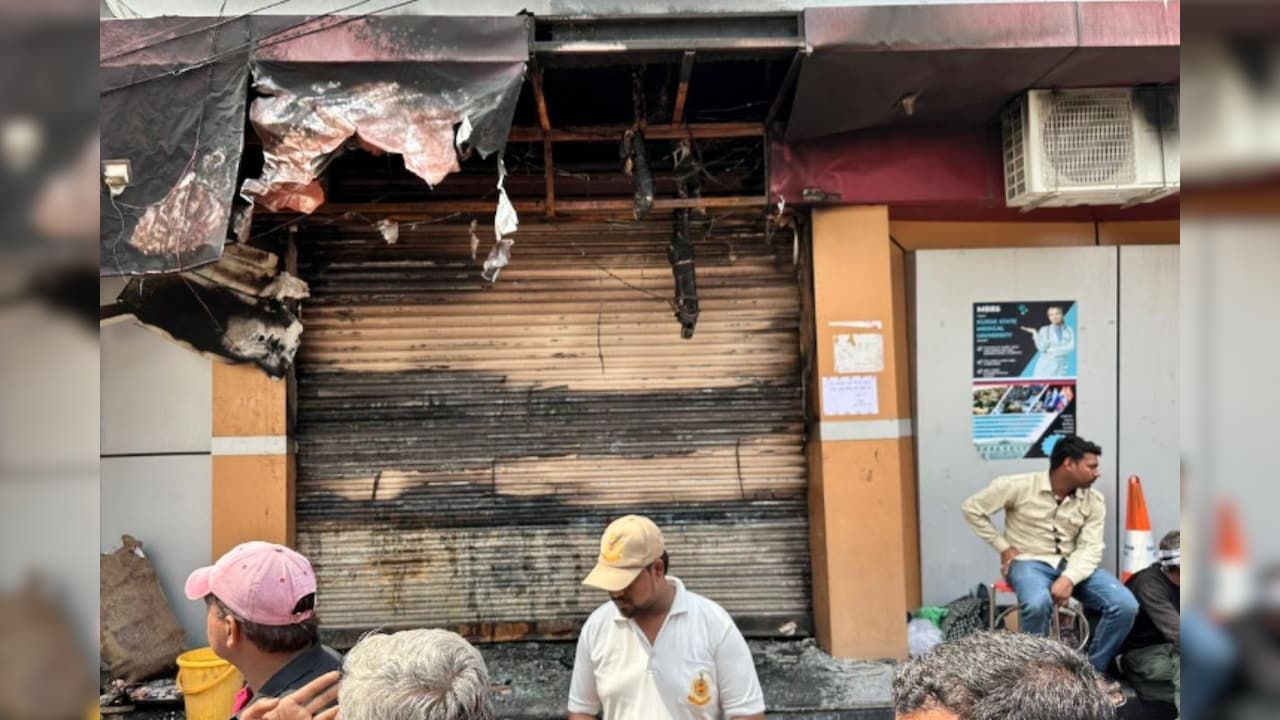
In one coaching centre, balconies were covered with iron grills and exits appeared restricted. In another, biometric access systems controlled entry and exit. A library operator admitted that the facility did not possess a Fire NOC and claimed that several similar establishments in the area were operating under comparable conditions.
For students packed into small rooms for hours every day, a fire emergency would leave little margin for error. The difference between life and death could be measured in seconds, a functioning exit, or a staircase wide enough to allow evacuation.
The Rules Exist. The Questions Are About Compliance.
On paper, India does have building safety provisions. The National Building Construction Standards 2026 prescribe firefighting requirements based on building height and floor area. Larger educational buildings are expected to install fire extinguishers, hose reels, wet risers, hydrants, alarm systems, public-address systems and, in some cases, automatic sprinklers.
Yet the challenge often lies not in drafting regulations but in enforcing them.
Smaller educational buildings can be approved through self-certification mechanisms. Many coaching centres and libraries operate in mixed-use commercial structures that were never designed to handle large student populations. Questions also remain about how frequently safety audits are conducted, whether firefighting equipment is functional, and whether emergency evacuation plans are ever tested.
Delhi Fire Service Divisional Officer Rajinder Atkal told NDTV: "Many institutions in the national capital are operating without a Fire NOC. The Delhi Fire Service has issued notices to several establishments, and action has been taken against those found violating fire safety norms. We urge parents to enroll their children only in institutions that comply with safety regulations. Parents have every right to ask coaching centres, libraries and educational institutions whether they possess the required fire clearances and safety infrastructure."
The concern became particularly sharp after the deaths in Kota, the flooding tragedy in Delhi's Old Rajendra Nagar, and now the Lucknow fire. Each incident exposed vulnerabilities in buildings where students spend significant portions of their day.
A New Safety Framework, But Are the Standards Getting Weaker?
The debate has intensified following the replacement of the National Building Code with the National Building Construction Standards in 2026.
The new framework gives states and local bodies greater authority over building regulations and fire safety compliance. Supporters argue that land and fire services are state subjects and that local authorities need flexibility. Critics, however, fear that the shift could create uneven standards across the country.
Fire safety experts have expressed concern over provisions that have reportedly moved from mandatory language to advisory language. Others point to changes in height thresholds for stricter compliance requirements. The larger worry is that while responsibility has been decentralised, accountability may become harder to establish when violations occur.
That concern becomes especially relevant in coaching hubs where thousands of students gather daily in densely packed buildings.
The lesson from Kota, Old Rajendra Nagar, Lucknow and numerous other incidents is not that India lacks regulations. It is that regulations matter only when they are enforced before a tragedy, not investigated after one.
Because every disaster follows a familiar script: a warning ignored, a loophole exploited, an inspection missed and lives lost. The real test is whether authorities, building owners and regulators can break that cycle before the next emergency turns another classroom into a crime scene.
Track Latest News Live on NDTV.com and get news updates from India and around the world

