



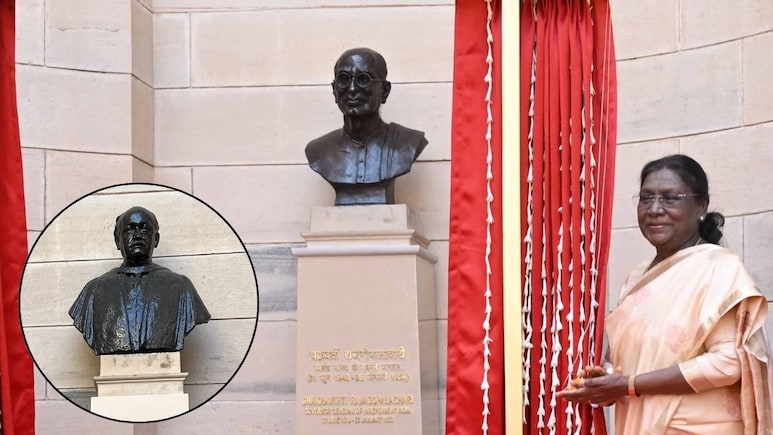
- Edwin Lutyens' bust replaced with Chakravarti Rajagopalachari's at Rashtrapati Bhavan
- President Murmu unveiled Rajagopalachari's bust during Rajaji Utsav to shed colonial remnants
- Rajagopalachari was India's first Indian Governor-General and a key independence figure
The bust of British architect Edwin Lutyens has been replaced with that of the first and only Indian Governor-General Chakravarti Rajagopalachari at Rashtrapati Bhavan, in a defining move to shed the country's colonial past.
President Droupadi Murmu unveiled Rajagopalachari bust at the Rashtrapati Bhavan Cultural Centre during the Rajaji Utsav this morning. Earlier, at that spot, stood a bust of Lutyens, the chief architect of New Delhi, where lies the power corridors of India. This part of the capital is often referred to as Lutyens' Delhi.
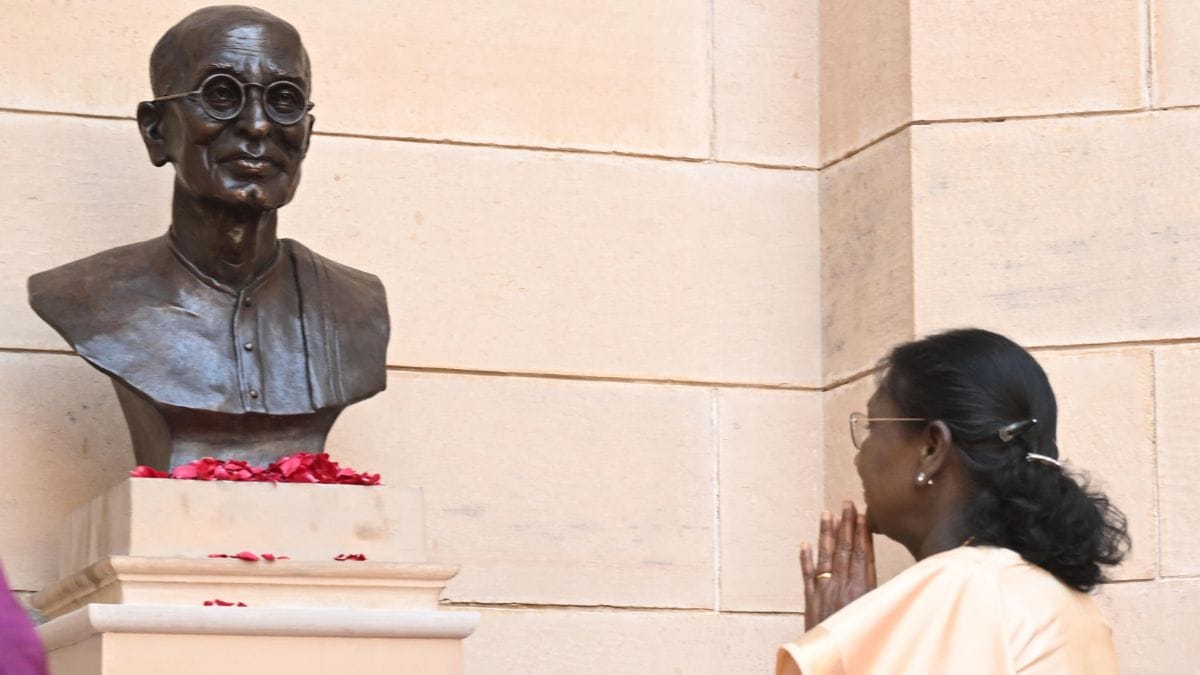
Rajagopalachari, known as Rajaji, was a towering statesman and jurist who played a major role in Indian independence. A close associate of Mahatma Gandhi, he served as India's Governor-General from 1948 to 1950, at a crucial time when India transitioned from British rule to a republic.
Shedding Colonial Mindset
President Murmu called the move to replace Lutyens' bust with Rajaji's as part of steps being taken to shed the remnants of colonial mindset.
President Droupadi Murmu unveiled bust of Shri Chakravarti Rajagopalachari Ji, the first and only Indian Governor General of independent India at Rashtrapati Bhavan.
— President of India (@rashtrapatibhvn) February 23, 2026
The bust of Chakravarti Rajagopalachari, situated at the Grand Open Staircase near Ashok Mandap, replaces the bust… pic.twitter.com/xEkZHcwVhA
"The bust of Chakravarti Rajagopalachari, situated at the Grand Open Staircase near Ashok Mandap, replaces the bust of Edwin Lutyens. This initiative is part of series of steps being taken towards shedding the vestiges colonial mindset and embracing, with pride, the richness of India's culture, heritage, timeless traditions and honouring those who served Bharat Mata with their extraordinary contributions," read an online post by the Rashtrapati Bhavan.
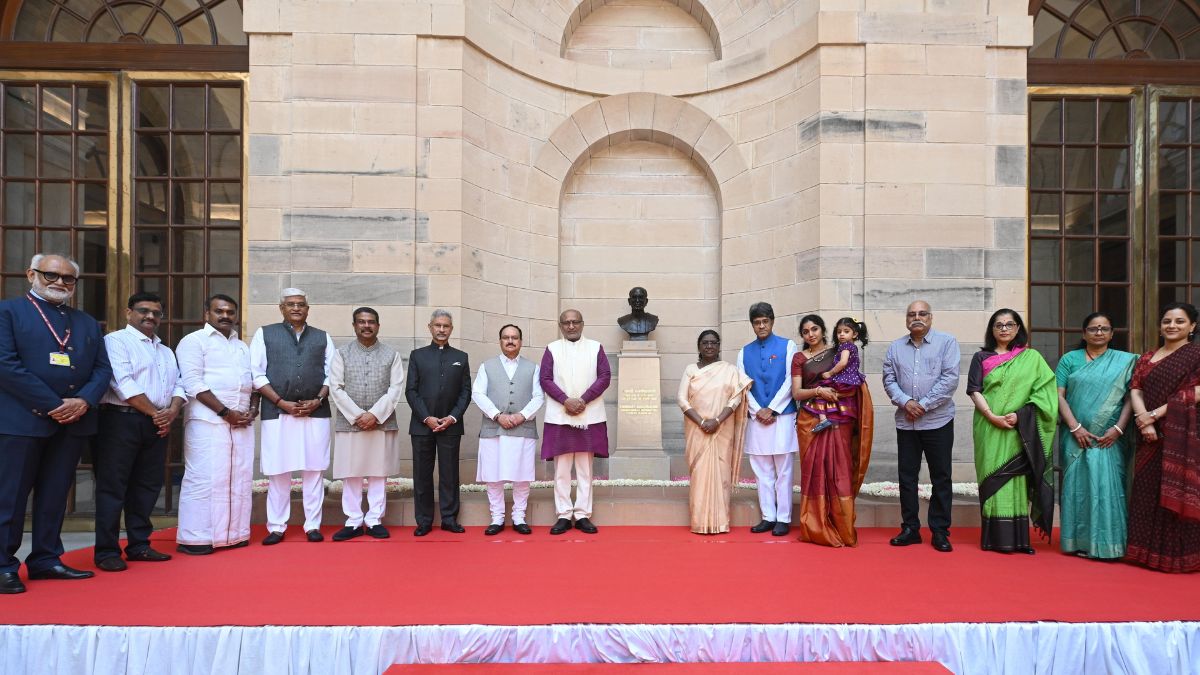
The event was also attended by Vice President CP Radhakrishnan and several senior ministers including S Jaishankar and JP Nadda.
How Lutyens' Family Reacted
Lutyens' great-grandson Matt Riddley was saddened by the move. The British biologist shared a photo of himself with the bust of his great-grandfather that had adorned the central courtyard of the Indian presidential palace for decades.
Sad to read that the bust of Lutyens (my great grandfather) is to be removed from the presidential palace he designed in Delhi. Here I am with it last year. I wondered at the time why his name had been removed from the plinth. pic.twitter.com/EITcGKUAMa
— Matt Ridley (@mattwridley) February 23, 2026
"Sad to read that the bust of Lutyens (my great grandfather) is to be removed from the presidential palace he designed in Delhi. Here I am with it last year. I wondered at the time why his name had been removed from the plinth," Riddley said in his post.
India's Decolonisation Efforts
The removal of the bust marks yet another achievement in Prime Minister Narendra Modi's decolonisation project. In his monthly radio broadcast Mann Ki Baat yesterday, PM Modi had called the Lutyens bust a "symbol of slavery" and stressed the need to embrace Indian culture.
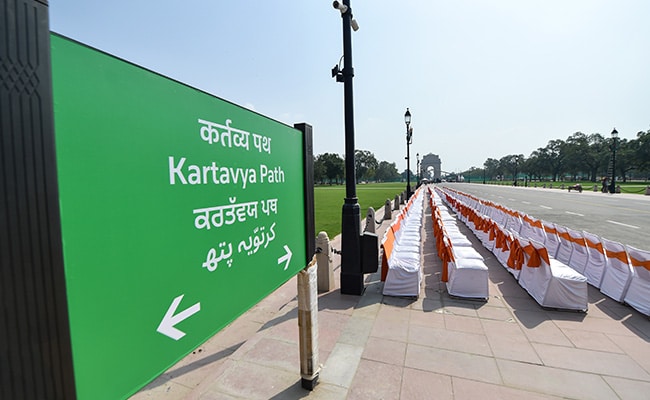
PM Modi's decolonisation efforts reflect in the Central Vista Redevelopment Project. In 2022, he had renamed the Rajpath or Kingsway, also designed by Lutyens, to Kartavya Path. Earlier this month, the PMO was relocated to a new complex named 'Seva Teeth' from the South Block, which was build in the colonial era.
Track Latest News Live on NDTV.com and get news updates from India and around the world

