





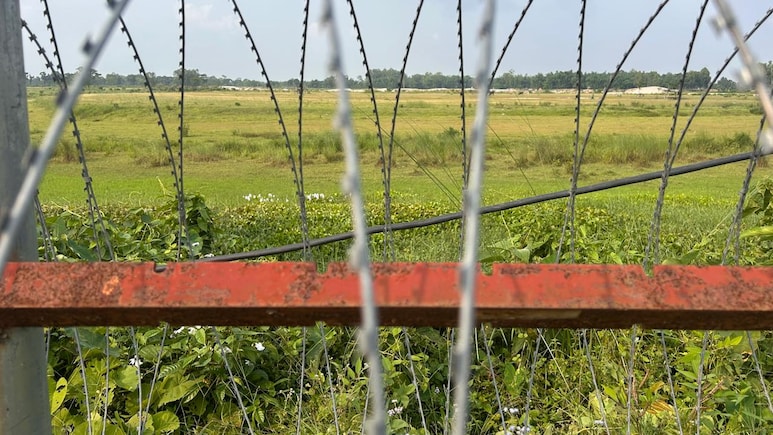
- Border fencing work along the India-Bangladesh border in West Bengal has accelerated under the new government
- West Bengal handed over 142.79 acres to BSF for border fencing across multiple districts
- 386 suspected infiltrators, including children, are held in detention centers in border districts
Border security along the India-Bangladesh border is in top gear under the newly elected government of West Bengal. This has brought a sense of relief to many villages vulnerable to cattle smuggling and infiltration in North Bengal's once porous borders.
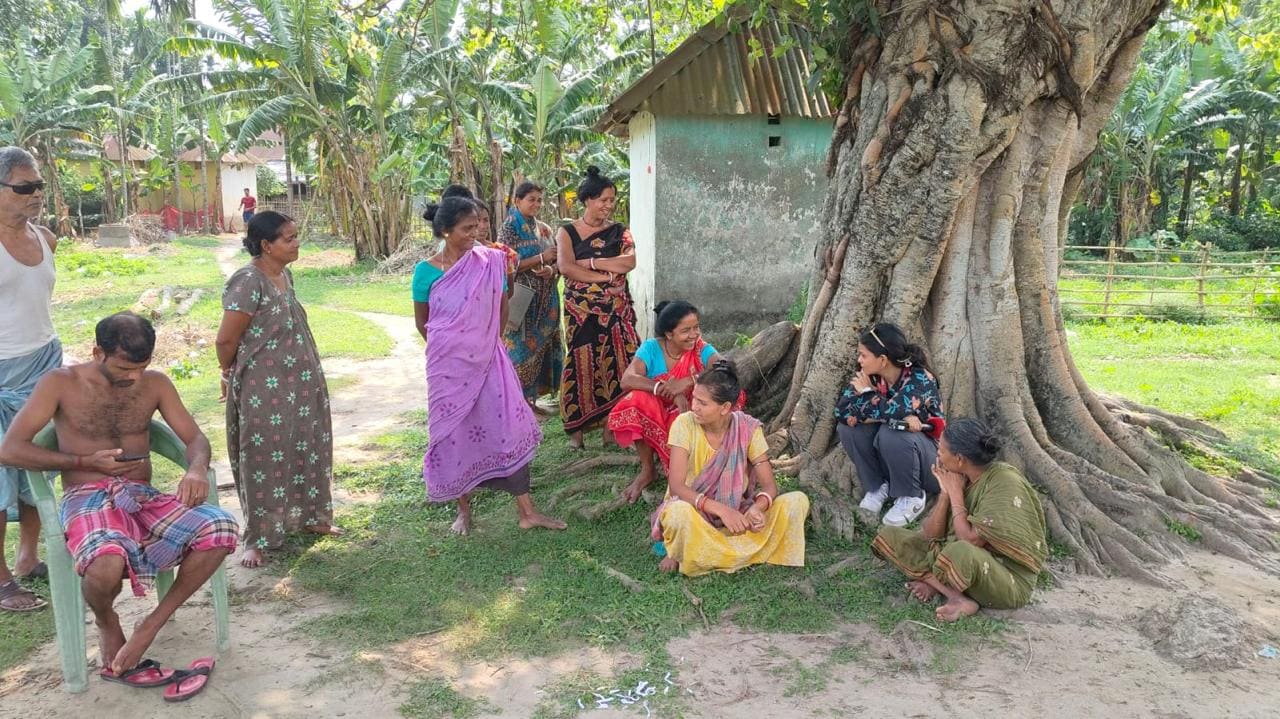
Villagers living near the international border say the recent acceleration in fencing work and land handover to the Border Security Force (BSF) has improved confidence in safety, even as concerns remain over land compensation, and long-pending demands of accessing their land and navigating the river that flows through the border.
The state government has intensified efforts to facilitate the construction of BSF outposts and border fencing infrastructure. According to official figures, shared by West Bengal Chief Minister Suvendu Adhikari, 142.79 acres across multiple border districts, including Cooch Behar, Jalpaiguri, Darjeeling, Uttar Dinajpur, Dakshin Dinajpur, Malda, Murshidabad, Nadia, and North 24 Parganas, have been officially handed over to the BSF.
Murshidabad has seen the highest handover so far at 38.805 acres, followed by Jalpaiguri at 35.165 acres and Cooch Behar at 22.95 acres. This is part of the larger target of the state government to hand over nearly 600 acres of land that remained unfenced, so far.
Union Home Minister Amit Shah on Thursday praised the development, saying the government had fulfilled its promise of strengthening the Bangladesh border. "We had said during the elections that we would start the fencing work along the Bangladesh border once we came to power. The 121-hectare land of Chicken Neck has also been entrusted to the Indian government. Now, infiltrators are going back on their own," he said.
Shah also referred to the state government's "detect, delete and deport" policy against illegal infiltration and said detention centers had been established to hold suspected infiltrators pending further action.
According to official data accessed on Thursday, 386 persons are currently being held in holding centers across bordering districts in Bengal. The highest number has been reported from the Basirhat Police District in North 24 Parganas. The detainees include 182 males, 109 females, and 95 children. This is under the new state government's policy of detect, delete, deport Bangladeshis and Rohingyas.
For many villagers living near the border, however, the debate is less about politics and more about day-to-day survival and security.
Sobhan Devi, a resident of a border village, said she spent sleepless nights protecting her children and home because of rampant cattle smuggling through local settlements.
"The condition earlier was terrible. We couldn't sleep at night. Bangladeshis would smuggle cattle and carry sharp weapons. We are willing to give land for national security, but we want proper compensation. If BSF puts up permanent fencing, we will feel safer," she said.
Several villagers echoed similar sentiments, saying that temporary cattle fencing currently in place has helped reduce illegal movement over the last five years, but permanent tall fencing would surely strengthen India's border.
Aurobindo Sen said villagers had repeatedly complained about cattle smuggling in the past to the local police but received little response from the state authorities. "Each night, Bangladeshis would take 100 to 200 cows through our village. We complained to the police, but nothing happened," he said.
"Now the fencing is a relief. We are happy that permanent fencing is going to happen. But the land must be measured properly, and the work should happen quickly," he added.
While villagers broadly support the fencing drive, land acquisition might remain a sensitive point. Many families say they are ready to part with ancestral land for national security, but want fair compensation, transparent measurement, and consultation before the work begins.
Bina Devi from Senpara in Changrabandha said villagers have already sacrificed land over the years, but some unresolved issues remain. "18 bigha of our ancestral land has remained inaccessible for years. Bangladesh has been grazing its cattle on our fields while we watch from behind the fence. Villagers should be taken into confidence, and the border fencing should be pushed towards Bangladesh," she told NDTV.
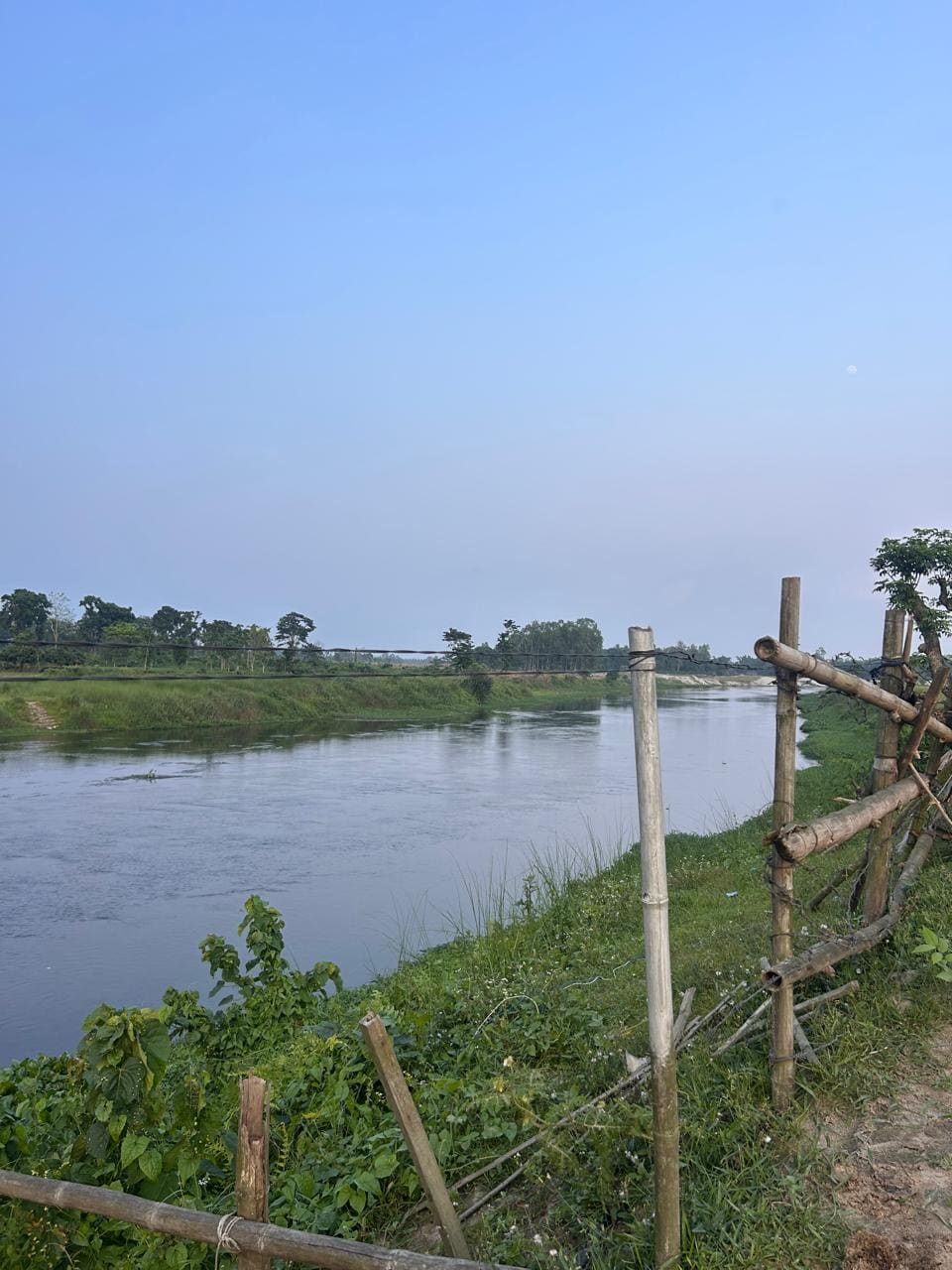
Temporary border fence in Changrabandha
Villagers, while praising the BSF for their service and round-the-clock vigil, say the recent upgrade of lights and CCTV for surveillance has greatly benefited them. The combination of fencing work, BSF outposts, and detention measures, they believe, has already started changing conditions on the ground.
Track Latest News Live on NDTV.com and get news updates from India and around the world

