





- Delhi approved the EV Policy 2026, focusing only on battery electric vehicles, excluding hybrids
- Subsidies include up to Rs 1 lakh for electric goods carriers and scrapping incentives for old vehicles
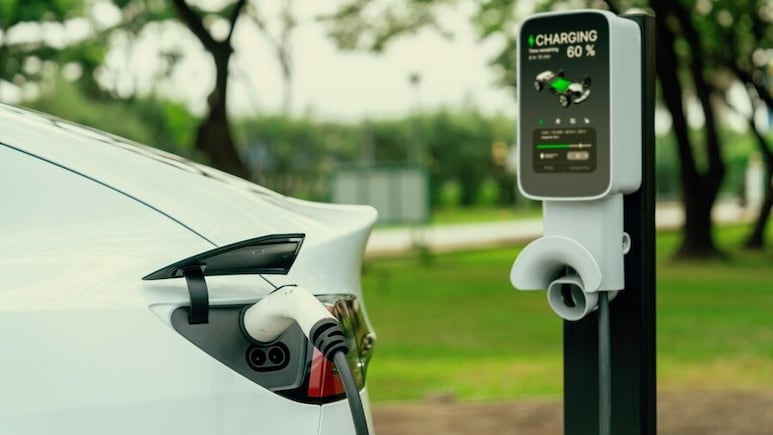
- Delhi plans Rs 15,000 crore investment for 30,000 charging points and infrastructure expansion by 2030
The Delhi Cabinet on Monday approved the Delhi EV Policy 2026, choosing to keep the capital's clean mobility roadmap focused exclusively on battery electric vehicles (EVs) by rejecting a proposal to extend incentives to strong hybrid cars.
The policy, which comes into effect on July 1 and will remain in force till March 31, 2030, lays out a roadmap to accelerate electric mobility through purchase subsidies, scrapping incentives, tax exemptions, charging infrastructure and phased registration deadlines for key vehicle segments.
Hybrid Incentives Dropped
The Cabinet's decision marks a significant departure from the draft policy, which had proposed a 50 per cent exemption on road tax and registration fees for strong hybrid cars priced up to Rs 30 lakh. That provision has been dropped from the final policy, signalling the government's decision to back only zero-tailpipe emission vehicles.
The government has instead chosen to concentrate its financial support on battery-powered EVs as part of its strategy to curb vehicular pollution.
EV-Only Registration Timeline
The policy retains the draft proposal on registration timelines, setting clear deadlines for the transition to electric mobility.
From January 1, 2027, only electric passenger and goods three-wheelers will be registered in Delhi.
From April 1, 2028, only electric two-wheelers will be eligible for registration in the national capital.
The move targets vehicle segments that account for a significant share of Delhi's traffic and vehicular emissions.
Subsidy Comes With A Three-Year Lock-In
The policy introduces a three-year lock-in period for buyers availing government subsidies.
Vehicles purchased with government incentives cannot be registered in another state during the first three years, preventing beneficiaries from immediately selling subsidised vehicles outside Delhi.
Road Tax Waiver, Rs 1 Lakh Scrapping Incentive
To encourage electric car adoption, the government has announced a 100 per cent exemption on road tax and registration fees for electric cars with an ex-showroom price of up to Rs 30 lakh registered in Delhi.
It has also introduced a Rs 1 lakh scrapping incentive for buyers purchasing a new electric car after scrapping a Delhi-registered BS-IV or older vehicle.
The incentive will be available if the new EV is purchased within six months of receiving the Certificate of Deposit (CoD) from an authorised vehicle scrapping facility and will be limited to the first one lakh eligible applicants.
Who Gets What: EV Subsidies Explained
The policy offers graded purchase incentives over three years:
Electric two-wheelers: Up to Rs 30,000 in the first year, Rs 20,000 in the second year and Rs 10,000 in the third year.
Electric three-wheelers: Up to Rs 50,000 in the first year, Rs 40,000 in the second year and Rs 30,000 in the third year.
N1 category electric goods carriers (up to 3.5 tonnes): Up to Rs 1 lakh.
Separate scrapping incentives include:
- Rs 10,000 for electric two-wheelers
- Rs 25,000 for electric three-wheelers
- Rs 1 lakh for electric four-wheelers
- Rs 50,000 for N1 trucks
- Rs 15,000 for Gramin Sewa vehicles
Special Push For Electric Trucks
To promote cleaner freight movement, the first 1,000 buyers of N2 category electric trucks carrying between 3.5 tonnes and 12 tonnes will receive a 10-year exemption from Delhi's "No Entry" timing restrictions, provided the vehicles are purchased within three months of the policy notification.
Rs 15,000 Crore For Charging Infrastructure
Chief Minister Rekha Gupta said the government would invest around Rs 15,000 crore over the next four years to expand charging infrastructure and promote electric mobility.
The government plans to install more than 30,000 EV charging points across Delhi. A dedicated online portal will process incentives through Direct Benefit Transfer (DBT), while investments will also be made in vehicle scrapping facilities and supporting infrastructure.
Calling the policy a roadmap to make Delhi pollution-free by 2030, the Chief Minister said the focus would remain on accelerating EV adoption across the city.
Experts Welcome Focus On Commercial EVs
Welcoming the policy's emphasis on commercial vehicles, Amit Bhatt, Managing Director (India) at the International Council on Clean Transportation, said faster adoption of electric two- and three-wheelers could significantly improve Delhi's air quality.
"These segments account for a large share of the city's vehicle fleet, and accelerating their transition to zero-emission vehicles can significantly reduce vehicular emissions, improve public health, and pave the way for a broader transition to zero-emission transport across all vehicle segments."
What The Policy Means For Delhi
With the Delhi EV Policy 2026, the government has drawn a clear line in favour of pure electric vehicles, dropping support for hybrid technology while introducing financial incentives and registration deadlines aimed at speeding up the transition to cleaner transport.
The policy combines subsidies, tax exemptions, scrapping incentives, charging infrastructure expansion and phased registration changes, making it one of Delhi's biggest electric mobility initiatives yet. It also signals that the capital's long-term strategy to combat vehicular pollution will rely on battery-powered EVs rather than hybrid vehicles.
Track Latest News Live on NDTV.com and get news updates from India and around the world

