



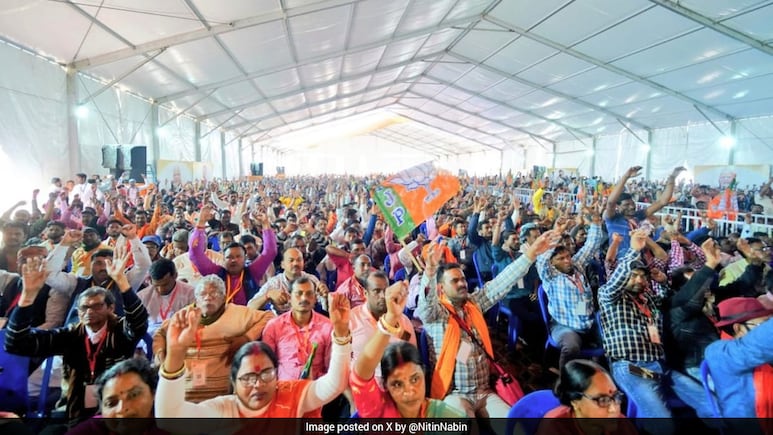
The intricate dance of ambition, identity, and power is expected to play out significantly in the lead-up to the West Bengal state polls, set for March-April.
The BJP, a party with pan-India appeal, finds itself at a critical juncture as it seeks to wrest Bengal from the redoubtable Trinamool Congress (TMC), led by Chief Minister Mamata Banerjee. The party's historical absence from the corridors of power in Kolkata is set against an electoral landscape in flux; 2021's results revealed that the BJP remains nearly ten percentage points adrift from the Trinamool. However, the BJP's growth - from four seats in 2016 to 77 out of 294 in 2021 - tells a story of an extraordinary surge beyond its traditional Hindi-heartland base.
Internal Unity: The Imperative for Cohesion
The BJP's internal dynamics will also shape the electoral narrative. Amit Shah's forthcoming visit on January 30-31 - aimed at fostering unity and quelling factionalism - illustrates a recognition of the need for cohesion. In the stormy political arena of Bengal, the fragility of internal alliances could be the Achilles' heel of any electoral effort. Former state president Dilip Ghosh and the assertive Leader of the Opposition, Suvendu Adhikari, emerge as key figures in the push for collective leadership - a necessity the party must articulate to avoid exploitation by the Trinamool, which has historically thrived on the politics of fragmentation.
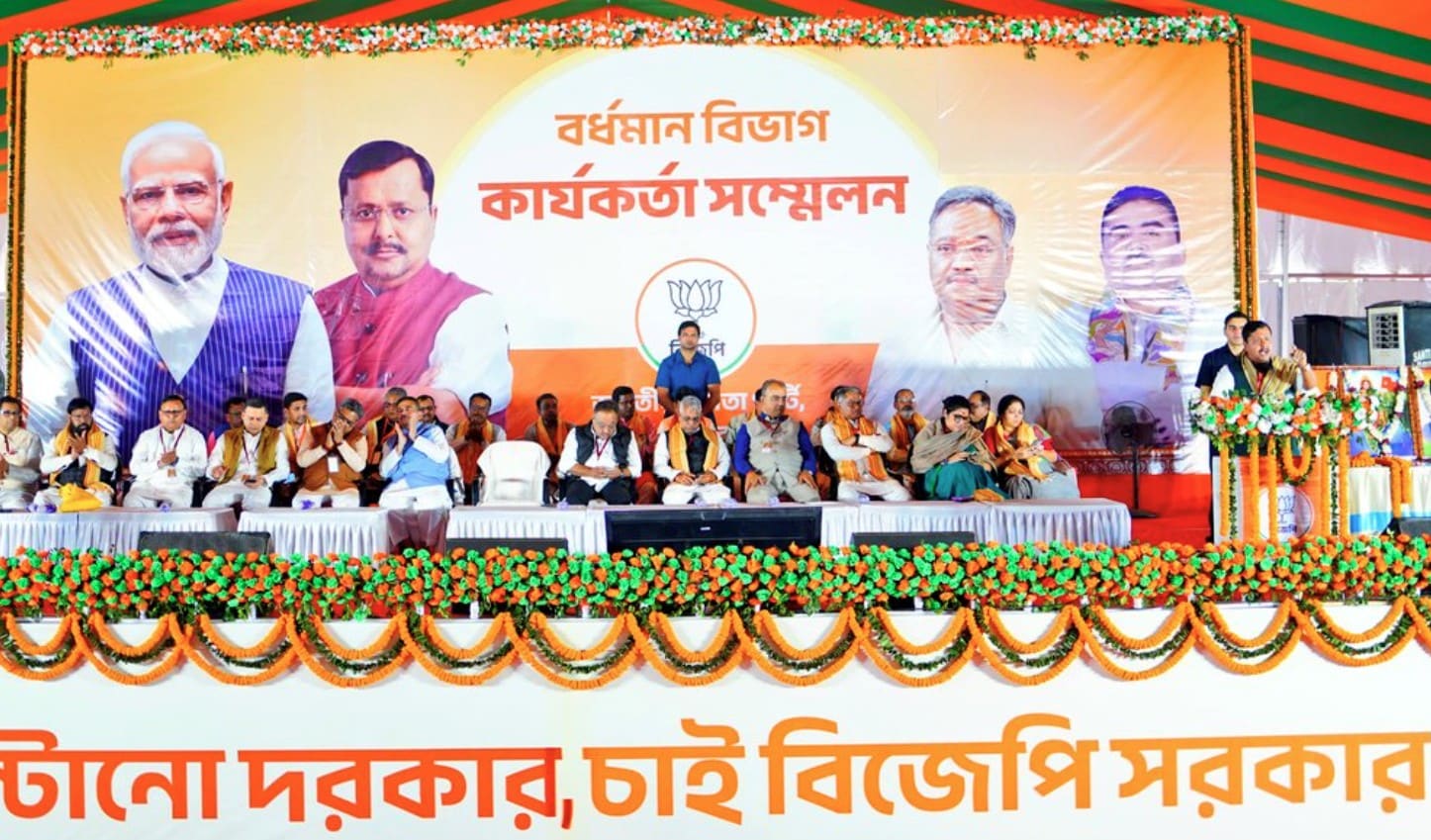
In a December 2025 meeting with Amit Shah, Dilip Ghosh remarked, "West Bengal is ready for change, but the BJP party is not ready yet." While roping Ghosh back into active campaigning, Shah emphasised that internal unity is non-negotiable.
Ideological Evolution and Demographics
At its core, the BJP is intertwined with the legacy of Syama Prasad Mookerjee, whose vision of a united India is reborn in the party's current narrative. This is bolstered by the spirit of Bankim Chandra Chattopadhyaya's Anand Math, which continues to serve as the party's ideological compass.
The demographic landscape remains intricate. Muslims constitute approximately 32% of the electorate in 2026 (up from 27% in the 2011 Census) and remain largely anchored to the Trinamool. Meanwhile, Hindus represent roughly 68% of the population, with about 50% leaning toward the BJP.
"The BJP's ambition to capture at least 60% to 65% of the Hindu vote - necessitating a swing of at least 5% - underscores the party's awareness that political dominance is as much about arithmetic as it is about narrative," says Dr Swapan Dasgupta, a member of the Manifesto Committee. This involves engaging sects like the Matuas and Rajbongshis. Consequently, efforts to implement the Citizenship Amendment Act (CAA) are being prioritised to ensure the Matua community, a Hindu Dalit sect, gains permanent legal status.
Mobilisation and Ground Strategy
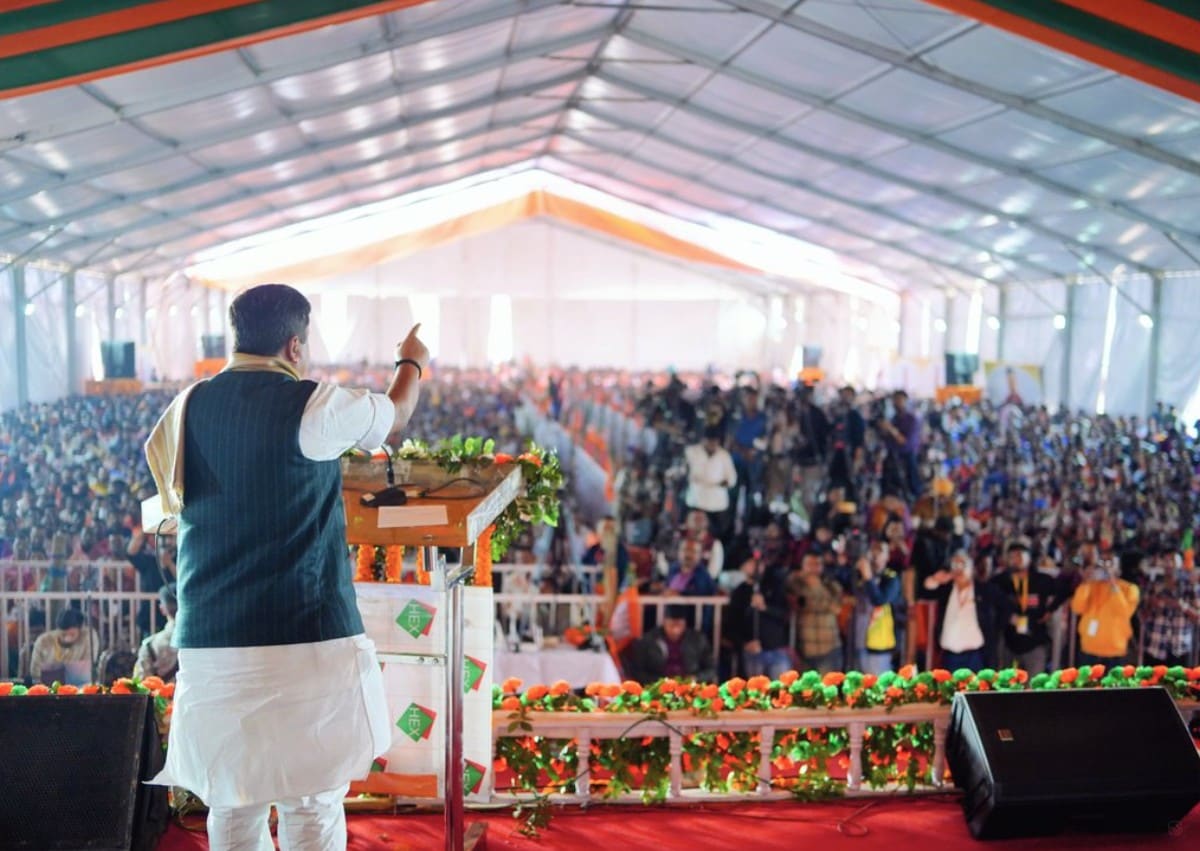
The BJP is rolling out a "Crack Team" to dismantle the Trinamool's entrenched district-level supremacy. The plan splits Bengal into six political zones, each spearheaded by RSS and BJP leaders with proven organisational records.
The recent involvement of BJP Chief Nitin Nabin introduces a renewed dynamism. His visits to Durgapur, Bardhaman, and Asansol on January 27-28 reflect an urgency to reinforce the grassroots framework. This engagement is pivotal to countering the Trinamool's narrative. Furthermore, the establishment of the State Sankalp Patra Committee, led by Tapas Roy and comprising intellectuals and former Trinamool leaders, aims to present a unified and intellectually grounded front.
Navigating Challenges
Success remains fraught with challenges. The Trinamool's grip on the Muslim electorate is formidable, though the formation of a new party by suspended MLA Humayun Kabir may fracture that base in Murshidabad and Malda.
The BJP's reach is also expanding through new members like Alokesh Prasad Ray and Dr Tapan Kumar Ray. To bridge older divides, Sunil Ambekar and Pradeep Joshi have been tasked with coordinating between the RSS and the BJP - a move intended to prevent the "new vs old" friction that hampered the party in 2021.
A New Narrative
As the BJP appoints in-charges for all 294 seats, the success of the campaign will hinge on its capacity to resonate with the populace. Prime Minister Narendra Modi's rhetoric -contrasting a "Maha Jungle Raj" with a vision of "Viksit Bengal" and "Bengal Gaurav" - sets the stage. The 2026 elections will be a litmus test of the party's resilience and its ability to connect with a populace yearning for transformation.
Track Latest News Live on NDTV.com and get news updates from India and around the world

