





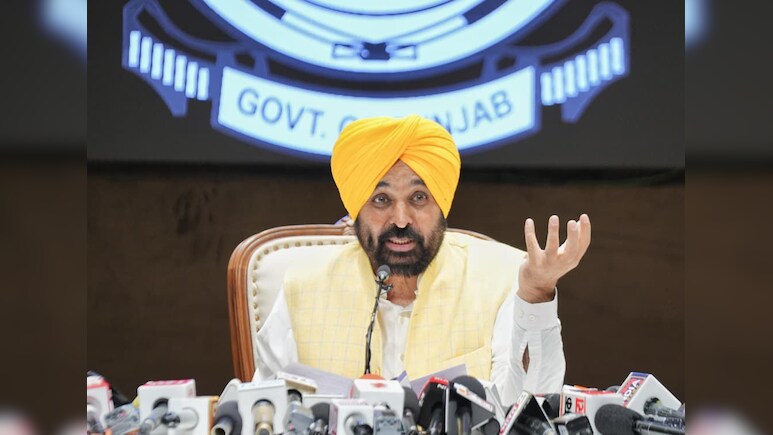
Punjab's uneasy relationship between faith and state power is once again in sharp focus, with Chief Minister Bhagwant Mann being summoned by the Sri Akal Takht Sahib over alleged "anti-Sikh" remarks. Mann's decision to publicly demand that the proceedings against him be telecast live has turned what is essentially a religious censure into a full-blown political confrontation.
ਸ੍ਰੀ ਅਕਾਲ ਤਖ਼ਤ ਸਾਹਿਬ ਤੋਂ ਵੱਡੀ ਕੋਈ ਅਦਾਲਤ ਨਹੀਂ, ਮੈਂ ਨਿਮਾਣੇ ਦਾਸ ਵਜੋਂ ਨਤਮਸਤਕ ਹੋਵਾਂਗਾ। ਮੈਂ ਸ੍ਰੀ ਅਕਾਲ ਤਖ਼ਤ ਸਾਹਿਬ ਦੇ ਜਥੇਦਾਰ ਗਿਆਨੀ ਕੁਲਦੀਪ ਸਿੰਘ ਗੜਗੱਜ ਜੀ ਨੂੰ ਅਪੀਲ ਕੀਤੀ ਹੈ ਕਿ ਸੰਗਤ ਦੀ ਮੰਗ ਮੁਤਾਬਕ ਮੇਰੇ ਸਪੱਸ਼ਟੀਕਰਨ ਦਾ ਸਿੱਧਾ ਪ੍ਰਸਾਰਣ ਕੀਤਾ ਜਾਵੇ।
— Bhagwant Mann (@BhagwantMann) January 8, 2026
-----
श्री अकाल तख़्त साहिब से बड़ी कोई अदालत नहीं... pic.twitter.com/jixZ0Xfh6L
The Akal Takht Secretariat has accused the Chief Minister of repeatedly making objectionable comments that hurt Sikh sentiments, questioning the authority of the highest temporal seat of Sikhism and even casting aspersions on religious practices such as "daswandh" and "Guru Ki Golak". Allegations of disrespect towards images of Sikh Gurus and Jarnail Singh Bhindranwale have further deepened the standoff.
This episode is not an aberration but part of a larger pattern in Punjab, where emotive religious issues frequently overshadow governance and development. Sikhism in the state is not confined to the private realm of belief; it is deeply intertwined with political identity, historical memory, and collective trauma. Any perceived slight -- intentional or otherwise -- quickly becomes a rallying point, forcing governments into defensive postures.
The most enduring example remains the 2015 sacrilege incidents involving the Guru Granth Sahib. The outrage that followed, culminating in police firing on Sikh protesters in Bargari and Behbal Kalan, left two people dead and an entire state shaken. Nearly a decade later, the lack of closure and accountability continues to haunt Punjab's politics. Successive governments have risen and fallen on promises of justice, yet the issue remains unresolved, serving as a reminder of how faith-based grievances can harden political fault lines.
That such sensitivities extend beyond Punjab was evident recently in Delhi, where Assembly Speaker Vijender Gupta ordered a forensic probe into a video allegedly showing Leader of Opposition Atishi insulting Guru Tegh Bahadur. The BJP accused her of making insensitive remarks during a discussion marking the Guru's 350th martyrdom anniversary, a charge Atishi has denied, claiming her comments were distorted for political gain. Even so, the controversy underscores how references to Sikh history and religious figures can swiftly escalate into political crises.
As Punjab looks ahead to the 2027 assembly elections, these recurring faith-linked flashpoints raise critical questions. Will voters prioritise governance and economic concerns, or will religious controversies once again dominate the political narrative? The answer will determine not just electoral outcomes, but also whether Punjab can finally strike a stable balance between reverence for faith and the demands of a modern, secular state.
Track Latest News Live on NDTV.com and get news updates from India and around the world

