





Assam became the third BJP-ruled state after Uttarakhand and Gujarat to pass the Uniform Civil Code, or UCC, on Wednesday even as opposition demanded that the bill be sent to a select committee.
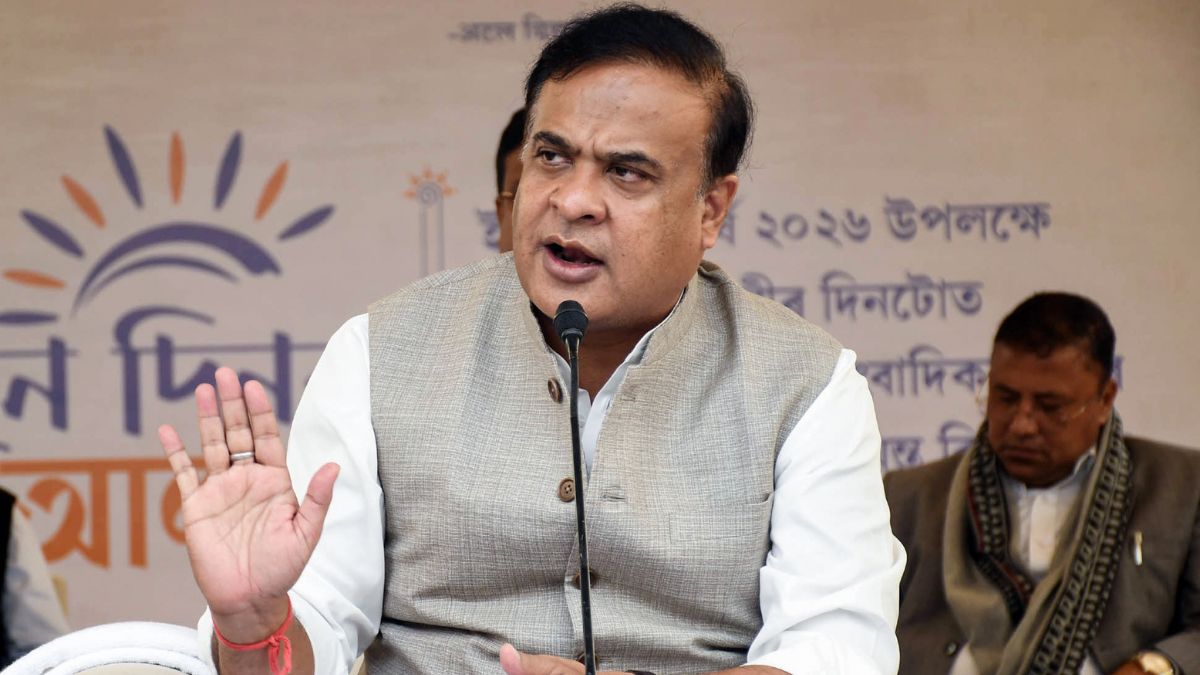
The passage of the bill was the culmination of a heated debate in the Assembly in which Chief Minister Himanta Biswa Sarma pushed the idea of UCC not just as a BJP agenda, but an unfulfilled constitutional mandate the Congress too was once committed to.
"The UCC was first proposed by the Congress. Nehruji was its protagonist," Sarma asserted in the debate, drawing repeatedly on discussions during the Constituent Assembly proceedings to suggest the concept had long predated political divisiveness.
The debate itself, however, shed light on the continued religious and political friction surrounding the issue.
Sherman Ali Ahmed, a Trinamool Congress MLA, staged a walkout as he raised objections to certain provisions of the bill, though he did not reject all of its elements, particularly those aimed at combating child marriage and polygamy.
"I will vote for the UCC. I will even vote in support of certain sections when it comes to stopping child marriages, controlling polygamy. However, I noticed several clauses which intrude upon personal religious practices of Islam," Ali told reporters after the walkthrough.
He argued that while the Quran did sanction polygamy, only when complete justice and equity were assured, several parts of the proposed legislation pertaining to marriage and re-marriage was an interference in religious practices.
"They are doing all this with malicious intent. They are attacking my fundamental right to practice my religion," he alleged.
On the contrary, the state government had recently focused more on presenting the legislation as a matter of governance and women's rights than just religion and ideology.
During the debate, Sarma accused Congress members of turning the discussion solely into one of religious defense.
"You people are only defending religion. You people use Quran to explain parts but never read Bhagvad Gita...You people are a communal party", he said, adding that the Congress has "made itself into a communal party".
The Chief Minister further stated Assam would be "the third state to have implemented" a wider UCC framework and said the law was intended to strengthen "gender justice".
Yet, the biggest takeaway politically could be the tribals' exemption from the Assam UCC.
"Tribals are not brought under UCC as it has been a tradition with them since centuries following customary practices which are integral to their social being," Sarma said.
"Tribals of the region follow their own kind of uniformity via their customs. We have not made any intention to meddle with their rights given under the constitution," he said.
The exemption mirrors the constitutional reality of most of the Northeast, where tribal customary law governs personal relationships like marriage, inheritance and family structures across numerous tribes and autonomous regions.
A sweeping civil code imposition in this region had previously met with complex legal and political resistance.
The legislation addresses marriage, divorce, inheritance and live-in relationships and bans polygamy and makes registration of marriages and live-in relationships mandatory.
However, beyond the specifics of the law, the Assembly proceedings on Tuesday revealed a deeper battle - one of the BJP aiming to present the UCC as both a constitutional imperative and an act of governance, while the Opposition continued to regard parts of it as an attack on religious freedom.
For Assam, however, the law could also signal the arrival of a uniquely northeastern version of the UCC: one that advocates for uniformity but remains respectful of tribal customs and autonomy.
Track Latest News Live on NDTV.com and get news updates from India and around the world

