

)
For years, social media has changed the way we look at healthy food. A simple meal at home can suddenly seem less healthy just because it does not come in a fancy bowl. Add some avocado, seeds, microgreens and a trendy name, and the same basic ingredients can start looking like a “balanced meal”.
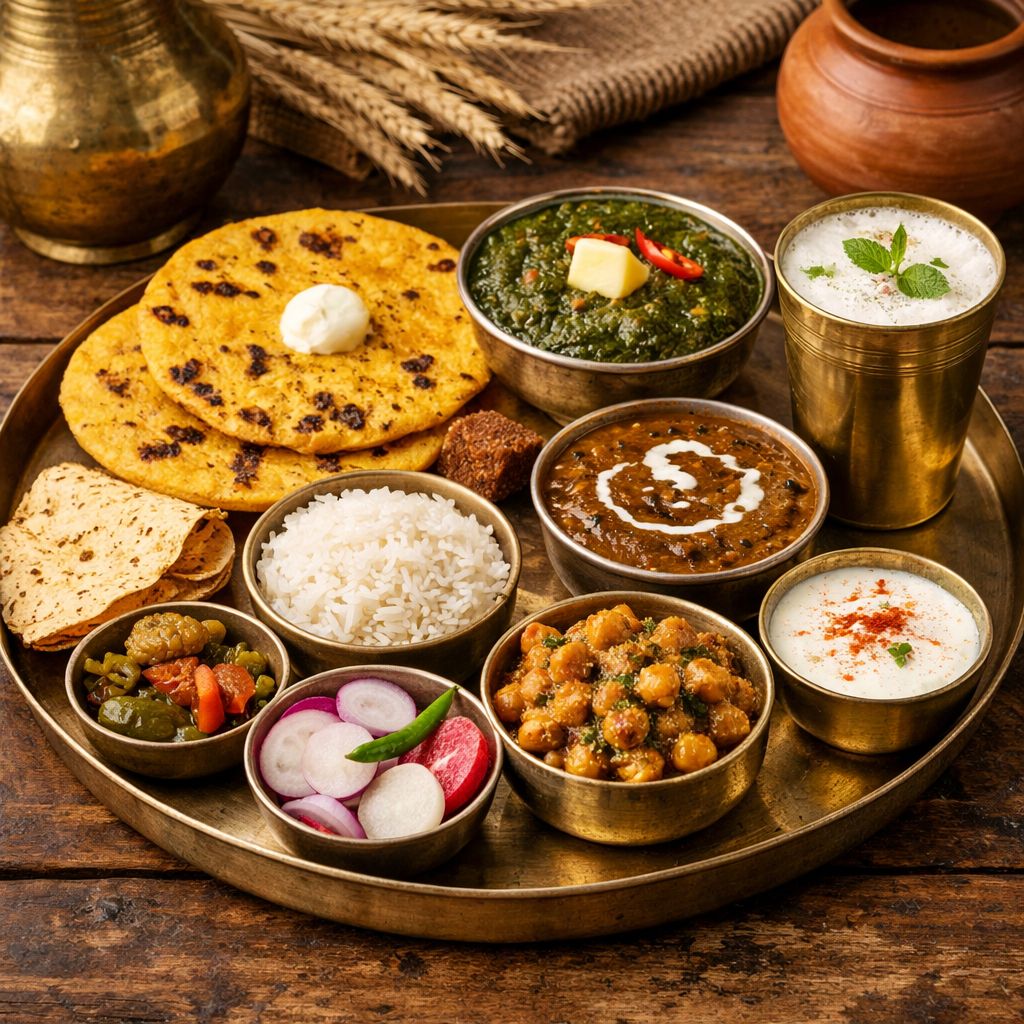
But healthy eating does not always need to be complicated. Many Indian homes have been serving balanced meals for generations. Dal, sabzi, roti, dahi, millets, nuts and seasonal vegetables have long been part of everyday diets. These foods may not always look Instagram-worthy, but they can still offer plenty of important nutrients.
Nutritionist Nmami Agarwal highlights this point in a post on Instagram. She takes a simple look at some of the foods commonly found in Indian kitchens and explains what they bring to the table.
Here's what a traditional Indian meal can offer:
1. Dal for protein
Dal is a regular part of Indian meals and is a good source of plant-based protein. It can also provide fibre and other nutrients.
2. Sabzi for fibre and more
Seasonal vegetables can add fibre, vitamins and minerals to your meal. Eating a variety of vegetables also helps bring different nutrients into the diet.
3. Dahi for calcium and protein
Dahi can provide calcium and protein. It also contains probiotics, which can support gut health.
4. Roti for carbohydrates
Roti provides carbohydrates, which are an important source of energy. Depending on the flour used, it can also contribute fibre and other nutrients.
5. Nuts and seeds for healthy fats
Nuts and seeds add healthy fats and micronutrients to meals and can be an easy addition to a regular diet.
Agarwal also points out that traditional food is not automatically healthy just because it is traditional. Portions, ingredients and cooking methods still matter.
Her larger point, however, is simple: food does not become healthier because it looks good on social media.
As she put it, “Sometimes the most underrated superfood is simply the food your mother, and in my case, my father, cooked for us.”
And honestly, that simple dal, sabzi, roti and dahi sitting in your kitchen may already be a pretty solid meal.
Disclaimer: This content including advice provides generic information only. It is in no way a substitute for a qualified medical opinion. Always consult a specialist or your own doctor for more information. NDTV does not claim responsibility for this information.