- Post-pandemic hyper-clean habits may weaken immunity, especially in children developing defenses
- The hygiene hypothesis suggests early microbe exposure helps prevent allergies and autoimmune diseases
- Overuse of sanitizers and antibiotics can harm gut bacteria and increase allergy and asthma risks
The rise of hyper-clean habits has become the norm post-pandemic, as maintaining cleanliness is a requirement that helps prevent infection. While staying clean is necessary to avoid bacteria, viruses, and fungi from entering your system, it is also important to consider the potential health impacts of excessive hygiene. Especially in children who are building the blocks of their immunity, a balance is required wherein visible dirt or microbes do not enter their system and cause serious disease. But the problem arises when the 99.9% germ-free habit becomes the norm, where every little exposure to a dirty surface becomes the rule to use hand sanitisers to wash the supposedly dangerous germs. This balance is rooted in the hygiene hypothesis that states staying germ-free doesn't prevent disease but can make your immune system weaker.
There are significant health risks attached to adults and children who remain completely germ-free while outdoors or indoors. Possible side-effects on gut function can occur if you overuse cleaning sprays, as the good bacteria that are necessary to build immunity also get neutralised due to over-cleaning. The germ-free lifestyle needs to be revised, and the science needs to take centre stage, which should dictate your actions, especially in children and adults who are dealing with pre-existing medical conditions.
What Is The Hygiene Hypothesis?
According to the research published in the Acta Tropica, early exposure to microbes and parasites is needed, especially during childhood, as it builds the foundation to prevent allergies and autoimmune diseases. The immune system is a learning mechanism that requires timely introduction to environmental microbes to adapt and build its approach.
The research was based on 20 to 40% of the global population, where the exposure to anaphylaxis, food allergy, asthma, rhinitis, conjunctivitis, eczema, allergy to bug bites, and many others was analysed. While hygiene habits play a role in determining how the immune system reacts, early introduction to microbes is important.
Modern Lifestyle And Over-Sanitisation Risks
The modern way of living has forced people to adapt habits that may be damaging their immune system and even making them sicker. From gut health issues to developing food allergies at a record pace, most of these health issues can be traced back to the over-sanitisation of the environment.
Excessive cleaning using sanitisers needs to be controlled and be only used in a proper manner while absolutely necessary. Like when there is actual dirt on your palms, and you should look for a water source beforehand, as that is a much better way of cleaning.
The widespread use of antibiotics due to over-the-counter usage for treating common ailments, to unknowingly consuming them via food sources, can lead to the immune system malfunctioning, depending on the exposure rate.
While people in India consider urban cities to be safer, the actual exposure to microbes or the lack thereof has increased disease rates when compared with the rural immune profiles that tend to stay naturally accustomed to their environment.
Beyond Childhood: Adult Immunity At Risk
According to the research published in Applied and Environmental Microbiology, germ-free habits can affect the way the immune system functions. While reducing your exposure to harmful microbes is necessary to avoid serious disease, if you are using your hand sanitiser too frequently, then you need to reassess your behaviour and how it may impact the exact gut microbiota that is linked to various bodily functions.
Being a hypochondriac or being too obsessed with being germ-free can even lead to a higher chance of developing autoimmune conditions, give rise to allergies, and even increase the risk of asthma. There is even concrete research published in the JAMA Psychiatry journal that suggests people who are hypochondriacs have a higher chance of death from natural and unnatural causes, so if you find yourself behaving this way, it is best to take a deep breath and rewire your brain to reconsider the dangers that microbes might pose.
Also Read: Muscle Loss And Reduced Strength Are Emerging As Major Health Concerns; Fortis Doctor Explains Why
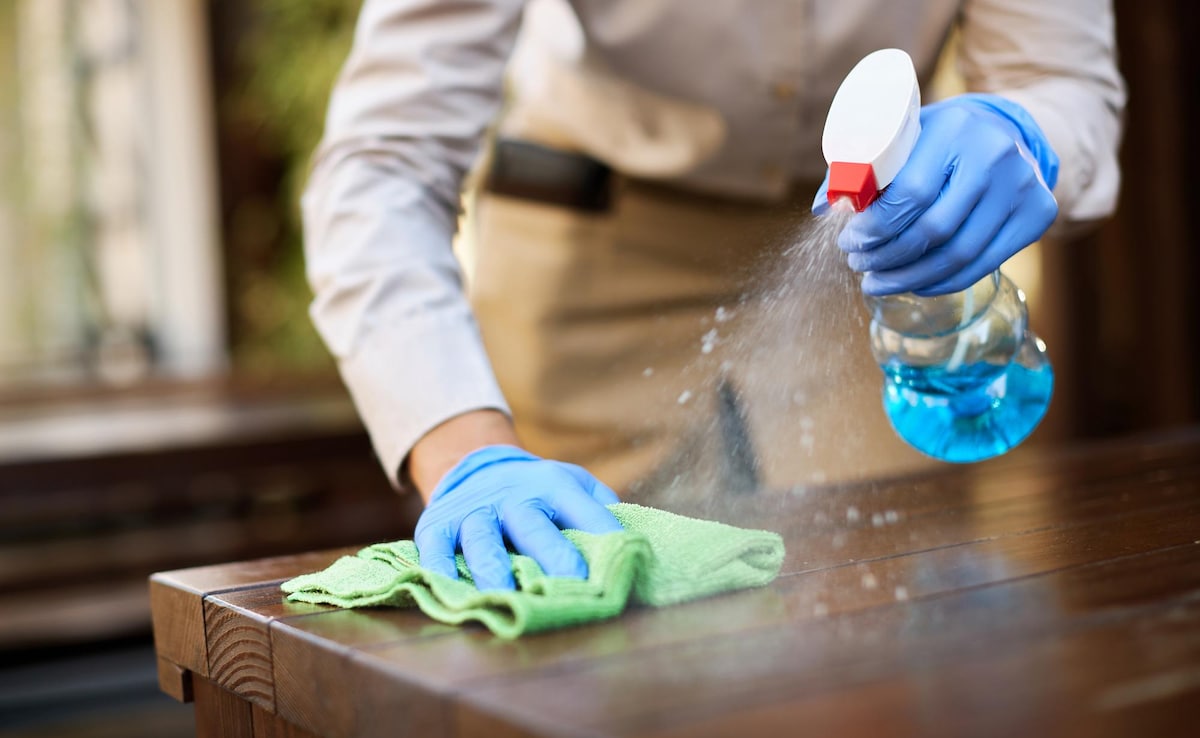
Excessive cleaning can lead to immune dysfunction
Photo Credit: Freepik
Clinical Evidence On Being Germ-Free And Immune Dysfunction
Research published in the Sustainability journal suggests that while personal hygiene is important to prevent getting diseases such as COVID-19, the seriousness or obsession factor with cleanliness is where the problem arises.
The human body has millions of tiny microorganisms that are necessary for survival and long-term health. When outside agents are introduced that kill it in the name of offering cleanliness, the body reacts accordingly.
According to extensive research published in Nature Reviews Microbiology, it highlights that your oral cavity needs to have a balance of good and bad bacteria, similar to your gut, to maintain your health. Any imbalance via mouthwashes or cleaning agents that are marketed to kill germs can lead to serious disease.
Balanced Hygiene: What You Can Do
When it comes to taking a balanced hygiene approach, you need to follow these tips to be safe:
- Look for a water source to wash your hands instead of using a hand sanitiser to clean them before eating food or touching your face.
- When it comes to the outdoors, the changing climate poses challenges, so you need to adapt your approach accordingly.
- Animals have their own unique microorganisms that can also get impacted if you use too many cleaners. So, using pet-friendly mild and natural cleaners is necessary to reduce the impact of germs on your and your pet's health.
- Fermented foods need a preserving agent that ensures no microbes develop during the fermentation process, as it can have an opposite effect otherwise.
- People who practise gardening need to take special care, use the right equipment and maintain a proper hand-washing and hygiene routine to avoid getting earthworms or microbial infections.
- You need to create an approach that can definitely show when hygiene is essential versus when it's excessive or not needed, as it can cause damage that is unseen to the eye.
Cleanliness needs to be germ-smart, not germ-free, to ensure your gut and body are healthy. You need to rethink your lifestyle habits if you want long-term healthy immune responses to actual diseases that you can get exposed to and fight them effectively.
Disclaimer: This content, including advice, provides generic information only. It is in no way a substitute for a qualified medical opinion. Always consult a specialist or your own doctor for more information. NDTV does not claim responsibility for this information.