





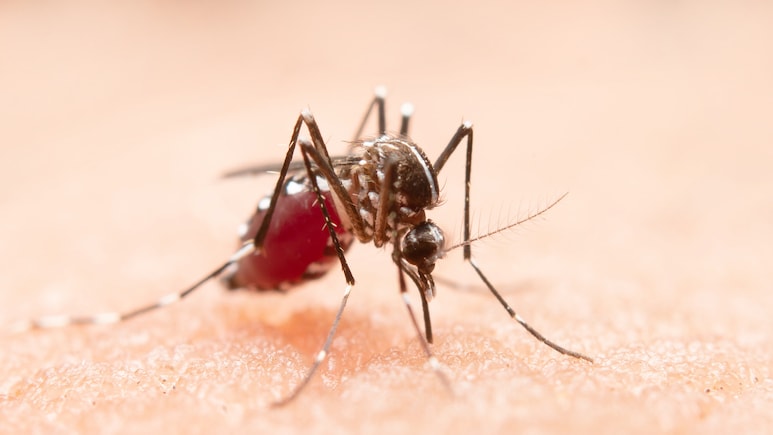
- Mosquitoes are attracted by body heat, carbon dioxide, and skin chemicals like lactic acid
- Higher body mass, metabolism, and skin bacteria variations influence mosquito attraction
- Dark clothing, warm humid conditions, and peak activity times increase mosquito bites
When mosquitoes start biting on a warm evening, relaxing in the park can quickly become uncomfortable. It is interesting to note that some people are frequently targeted by mosquitoes while others are mostly unaffected. This World Malaria Day, let us learn about the science explaining this uneven mosquito attraction and why it matters, particularly in terms of the risk of malaria.
Why do some individuals attract more mosquito bites than others?
The attraction of mosquitoes is not accidental. Stronger biological signals are released by some people, which help mosquitoes to find a host. These include body heat, certain chemical substances produced by the skin, and carbon dioxide emitted when breathing out. Because of this, some people become "mosquito magnets" all the time, while others are less attractive.
The biology behind mosquito attraction
Mosquitoes use sensory cues extensively. One of the main signals that attracts them from a distance is carbon dioxide. Humans with higher body mass or more metabolic activity may be easier targets because they exhale more.
Another important factor is body odour. Although sweat has no smell on its own, our skin bacteria break it down to produce chemicals such as lactic acid and ammonia that draw mosquitoes. Individual variances in the skin microbiome (the group of microorganisms residing on the skin) lead to unique fragrance patterns. While some bacterial combinations may provide natural protection, others could increase a person's attractiveness to mosquitoes.
Also Read: Dengue vs Malaria: Ludhiana Reports Both, Do You Know Which Symptoms To Watch Out For?
External factors influencing mosquito behaviour
Mosquito activity is greatly influenced by lifestyle and environmental factors. For instance, the colour of clothing might affect appeal. Lighter colours may be less appealing, while darker shades tend to absorb heat and make people more noticeable to mosquitoes.
The time of day is also crucial. Because many mosquito species are most active around dawn and dusk, bites are more likely to occur at these times. Mosquito activity increases substantially in warm, humid surroundings, raising the frequency of bites.
Some groups being more vulnerable than others
Mosquito bites are more common in some groups. For example, pregnant people have slightly higher body temperatures and tend to emit more carbon dioxide, both of which draw mosquitoes. Similarly, those who sweat more or have higher body temperatures may be bitten more often.
Although underlying medical issues might not directly increase attraction, they can worsen the effects of illnesses spread by mosquitoes. Because of this, prevention is particularly crucial for vulnerable groups.
Blood group or genetics
According to research, mosquito choice may be influenced by blood group. Compared with people with blood group A, those with blood group O seem to attract more mosquitoes. This is not the only influence, though. Genetics also affect immune responses, skin secretions, and body chemistry. So there are a variety of circumstances rather than a single cause that dictate mosquito attraction.
How do lifestyle habits affect mosquito bites?
Daily routines may make one more vulnerable to bites. Exercise increases body warmth and carbon dioxide production, which facilitates mosquito detection. Lactic acid is released during sweating, which increases attraction even more. Drinking alcohol may also have an impact by slightly raising skin temperature and changing body odour.
Risk can be decreased with simple measures such as taking a shower after working out and reducing exposure during mosquito activity peaks.
Mosquito bites and malaria risk
Bites from mosquitoes are not always harmless. They play a significant role in the spread of diseases such as malaria, which is transmitted by the bite of an infected female Anopheles mosquito in many areas. The likelihood of coming into contact with an infected mosquito increases with the frequency of bites in endemic regions.
This makes bite prevention not just a matter of comfort, but of serious health protection.
How can you prevent mosquito bites?
Personal and environmental interventions must be combined for effective prevention. Proven approaches include wearing long sleeves, using insect repellents, and sleeping under bed nets coated with insecticides. Mosquito breeding can be reduced at home by installing window screens and removing standing water.
While natural remedies such as lavender, citronella, and lemongrass may provide some protection, they are typically less effective than repellents prescribed by doctors.
Community efforts matter
When communities work together, mosquito control is most successful. Mosquito populations can be greatly reduced by eliminating standing water, keeping the area clean, and encouraging public health initiatives such as indoor spraying. To sustain these efforts, involvement and awareness are crucial.
Also Read: Did You Know Genetically Altered Mosquitoes Can Help Fight Malaria? Here's How
Common myths about mosquito bites
There are still a number of myths. Not all mosquitoes bite-only females do. They may reproduce in clean water as well as unclean water, and they do not only bite at night. Additionally, there is little evidence that certain foods or treatments, such as garlic, can stop bites. Environmental factors and body chemistry play a major role in attraction.
A key message on World Malaria Day
The most important takeaway is that malaria can be prevented. Risk can be considerably reduced by taking simple, regular precautions to avoid mosquito bites. These actions can help control and eventually eradicate malaria when combined with early diagnosis, prompt treatment, and community involvement.
It is useful to know why specific people are targeted by mosquitoes, but preventing bites is what truly safeguards health.
(By Dr. G. Krishna Mohan Reddy, Senior Consultant Physician and Diabetologist, Yashoda Hospitals, Hyderabad)
Disclaimer: The opinions expressed within this article are the personal opinions of the author. NDTV is not responsible for the accuracy, completeness, suitability, or validity of any information on this article. All information is provided on an as-is basis. The information, facts or opinions appearing in the article do not reflect the views of NDTV and NDTV does not assume any responsibility or liability for the same.
Track Latest News Live on NDTV.com and get news updates from India and around the world

