

)
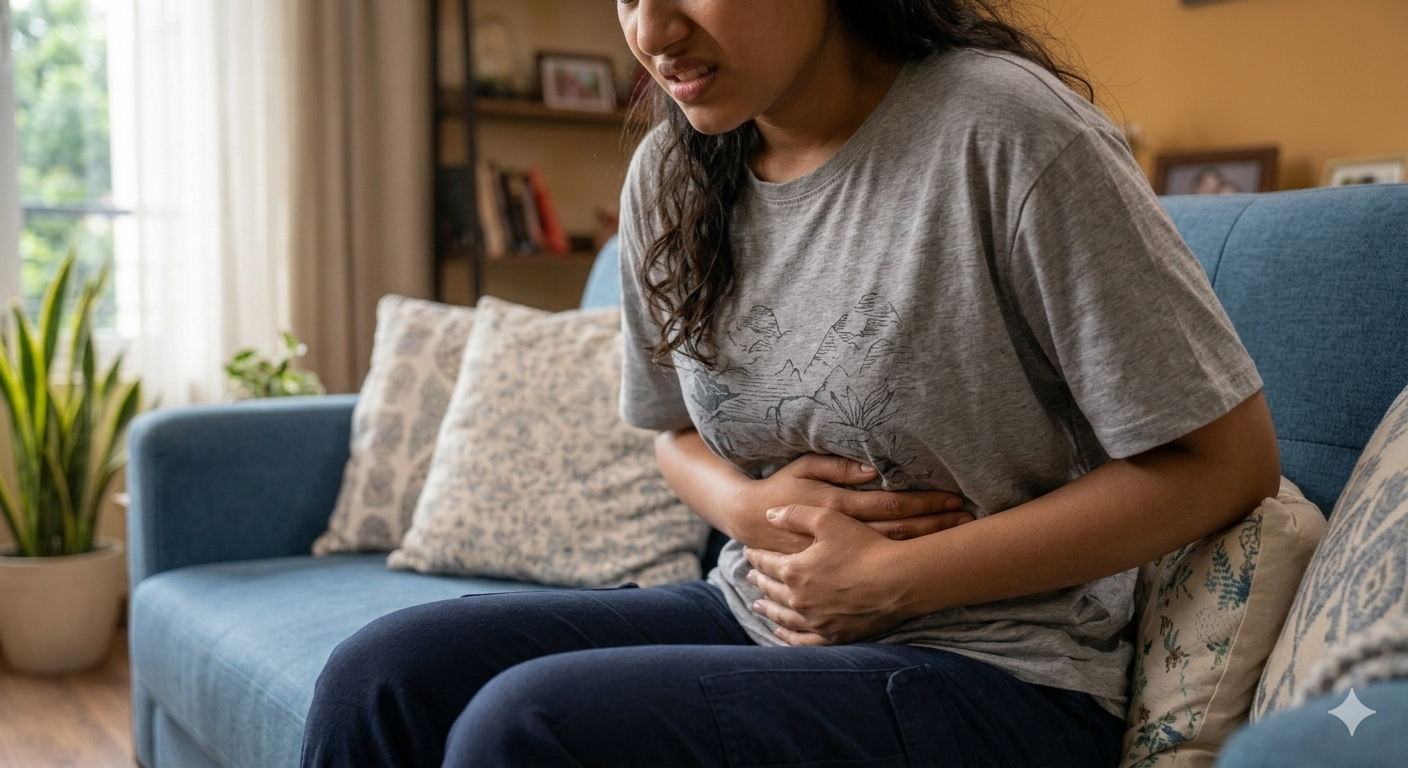
Every year, hospitals see a bit of a jump, in cases of food poisoning when summer and the monsoon months roll in. Symptoms like nausea, vomiting, abdominal cramps, diarrhoea fever, and dehydration start showing up more often around this time. A lot of people assume food poisoning is only from eating street-side food or grabbing something outside, but really the deal is, even meals cooked at home can turn risky if food handling is kind of sloppy, or if storage isn't kept under control, properly.
It's basically the mix of hotter days, humidity, and faster microbial growth that makes everything kind of ideal for food contamination. If we can understand why these seasonal spikes happen, people and families can take small preventive steps, and hopefully lower the chance of getting sick.
Why Summer Creates The Perfect Environment For Bacteria
During summer, rising temperatures help bacteria, viruses and other microscopic lifeforms move faster, in a way that basically speeds up the growth that leads to foodborne sickness. A bunch of harmful bacteria start multiplying, kind of fast once food is left just sitting out at room temperature , especially if it stays there for long hours and then it becomes a real issue, honestly.
Things like milk, curd, meat, seafood, cooked rice, gravies, even cut fruits are pretty vulnerable. It can be surprising, but just a couple of hours of being exposed to warmth might be enough for the bacteria to jump to levels that can trigger illness.
Also, warmer conditions push up the odds of food spoilage. Still, contaminated food often does not show obvious signs, or it looks fine in general , so people can find it hard to spot unsafe food before eating it.
How Monsoon Increases The Risk Further
When the monsoon shows up, it kind of brings a fresh, different set of headaches. Higher humidity helps microorganisms grow, and when water sits around, plus sanitation issues, that can nudge contamination into food and drink.
Sometimes the rain itself can get into the drinking water sources, and then you see outbreaks of stomach and intestine infections. Also, fresh produce can get touched by polluted water during growing, being moved along the supply chain, or kept in storage for a while.
Street food can turn more risky in these weeks because the ingredients are left to wetness, insects like flies , and changing temperatures. Chutneys, sauces, salads, and sliced fruits that are stored in a sloppy way are especially vulnerable to getting contaminated once the rainy season is underway.
The Role Of Food Handling Practices
Seasonal weather is just a slice of the whole issue. Unsafe food handling practices really do ramp up the odds of getting sick. A lot of situations happen because cooked food is left without cover for extended stretches, refrigerated foods end up not kept at the right temperatures, and leftovers are reheated again and again.
On top of that, cross contamination between raw and cooked items is a frequent problem too. Like, using the same cutting board or utensils for raw meat and then for ready-to-eat food can move harmful microorganisms right over. And just as importantly, weak handwashing habits before cooking or before eating can push bacteria into the meal.
Common Symptoms To Watch For
Food poisoning can show up with a whole spread of symptoms, kind of depends on which organism caused it. Usually people end up with nausea, vomiting, diarrhoea, abdominal discomfort, bloating, and just no appetite. Some folks also notice fever , body aches, or they get dehydrated pretty fast, like it becomes obvious sooner than later.
Kids, older adults, pregnant women, and basically anyone with a weaker immune system can be more prone to trouble. In those groups even something that looks like a small belly infection can quietly turn into a worse situation if it isnt handled promptly.
If vomiting won't stop, if you spot blood in the stools, or if there is a high fever plus heavy exhaustion, confusion, or dehydration signs like peeing less and feeling dizzy then it really needs immediate medical help.
Hydration Is Critical During Recovery
One of the biggest dangers tied to food poisoning is dehydration, like pretty quickly it starts to mess with you. Repeated vomiting, and diarrhoea can rapidly strip the body of fluids as well as important electrolytes, particularly when it is hot outside.
Oral rehydration solutions can help, plus steady water intake, some coconut water, and foods that are easy to digest, that whole combo tends to support the recovery. Still, you should skip self treatment with antibiotics unless a clinician actually prescribed them, because not every case of food poisoning needs an antibiotic course, in fact many don't.
Simple Steps To Prevent Food Poisoning
Prevention is still, I think, the most effective approach. Food ought to be cooked right through, eaten while it is still fresh when possible, and then refrigerated quickly after cooking. Fruits and vegetables need to be rinsed really carefully, and drinking water should come from safe dependable sources.
Hand hygiene matters just as much as all that. Washing your hands regularly before eating after using the restroom, and then again before you start preparing food can reduce the risk of infection quite a lot.
In summer, and also during the monsoon season, extra care should be taken with street food, raw salads , chopped fruit, seafood, and even milk or dairy items that were not kept properly in storage.
The Bottom Line
During summer and monsoon, we see more food poisoning cases because the surroundings somehow "help" germs grow. Hot weather, high humidity, water that is contaminated, and also careless food handling make the whole setup just right for foodborne illnesses to spread fast, or at least faster than usual.
The good news is most episodes are preventable though. If people focus on careful food preparation, keep things stored the right way, stick to clean hygiene routines, and catch symptoms early, it can really go a long way in protecting individuals and families from the seasonal food poisoning problem and its unpleasant complications.
(By Dr. Suchismitha Rajamanya, Lead Consultant & HOD - Internal Medicine at Aster Whitefield Hospital)
Disclaimer: The opinions expressed within this article are the personal opinions of the author. NDTV is not responsible for the accuracy, completeness, suitability, or validity of any information on this article. All information is provided on an as-is basis. The information, facts or opinions appearing in the article do not reflect the views of NDTV and NDTV does not assume any responsibility or liability for the same.