

)
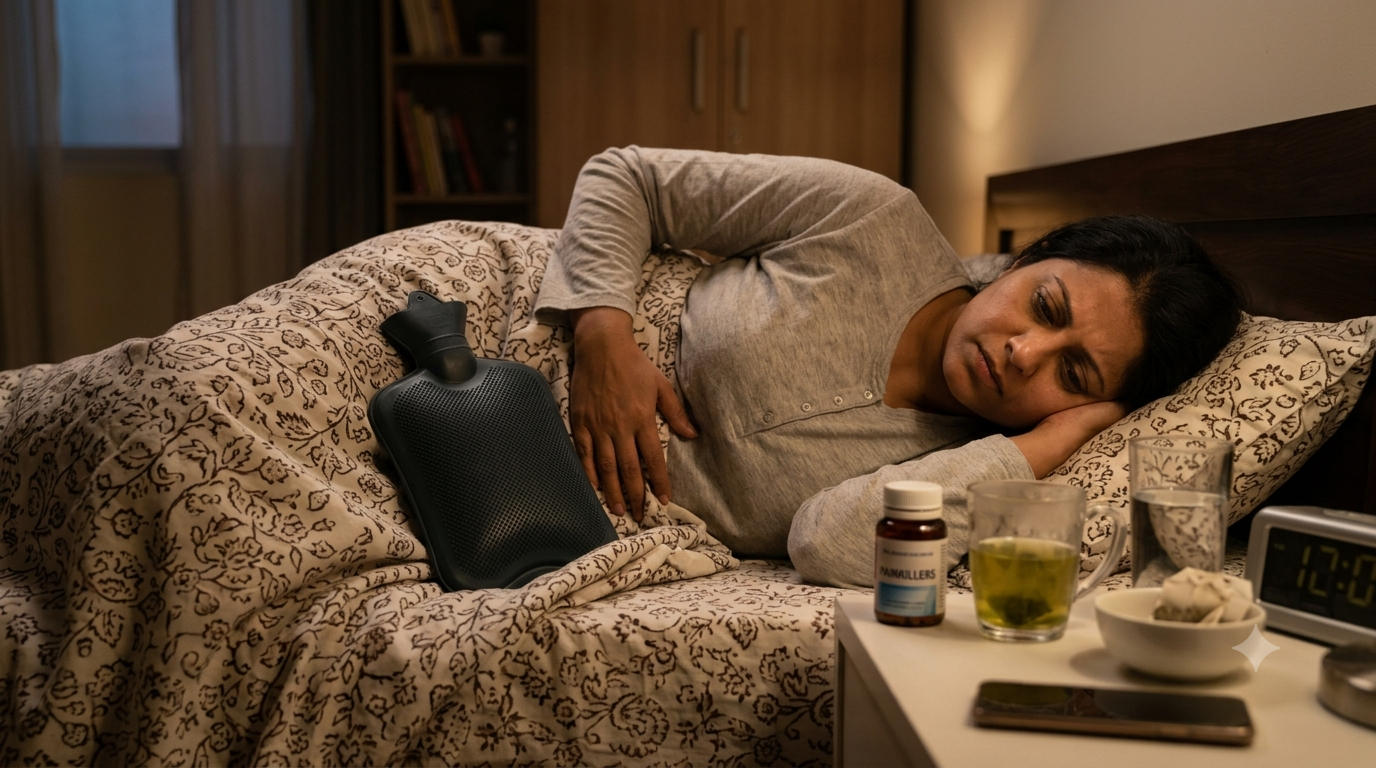
For many women, menstrual cramps have always been an unwelcome monthly visitor. But what if your periods suddenly become much more painful in your late 30s, despite years of relatively manageable discomfort? Many women dismiss worsening period pain as a normal part of ageing, stress or hormonal changes. However, gynaecologists warn that period pain that becomes more severe over time is not considered normal and may point to an underlying medical condition that requires diagnosis and treatment.
Conditions such as endometriosis, adenomyosis, uterine fibroids and, less commonly, pelvic inflammatory disease or ovarian cysts can all cause worsening menstrual pain during the late reproductive years. Delaying medical evaluation can lead to chronic pelvic pain, fertility issues, heavy menstrual bleeding and reduced quality of life.
According to the World Health Organization (WHO), endometriosis affects approximately 190 million women and girls worldwide, yet diagnosis is often delayed by several years because symptoms are normalised or mistaken for "bad periods." Experts say recognising when menstrual pain changes, rather than simply accepting it, is one of the most important steps towards protecting long-term reproductive health.
When Is Period Pain No Longer Normal?
Mild to moderate cramping during menstruation, known as primary dysmenorrhoea, occurs due to prostaglandins, hormone-like chemicals that cause the uterus to contract.
However, when pain:
- Starts becoming worse after the age of 30
- Lasts longer than usual
- Occurs outside your menstrual period
- Doesn't improve with over-the-counter painkillers
- Interferes with work, sleep or daily activities
it may indicate secondary dysmenorrhoea, where an underlying condition is responsible. The American College of Obstetricians and Gynecologists (ACOG) advises that worsening menstrual pain, particularly after years of relatively mild symptoms, warrants medical evaluation.
Could It Be Endometriosis?
One of the most common causes of severe menstrual pain is endometriosis. This condition occurs when tissue similar to the uterine lining grows outside the uterus, commonly affecting the ovaries, fallopian tubes, bowel and pelvic lining.
Common symptoms include:
- Severe menstrual cramps
- Pain during sex
- Pain while passing urine or stools during periods
- Chronic pelvic pain
- Difficulty becoming pregnant
- Heavy menstrual bleeding
According to WHO, endometriosis affects around 10% of women of reproductive age, yet many wait 7-10 years before receiving a diagnosis due to symptom dismissal and lack of awareness.
Adenomyosis: An Overlooked Cause After 35
Another important condition that becomes increasingly common in women in their late 30s and 40s is adenomyosis. Unlike endometriosis, adenomyosis occurs when tissue from the uterine lining grows into the muscular wall of the uterus.
The condition may cause:
- Increasingly painful periods
- Heavy menstrual bleeding
- Blood clots during periods
- Pelvic pressure
- Enlarged uterus
The UK's National Health Service (NHS) notes that adenomyosis most commonly affects women between 40 and 50 years, although symptoms may begin earlier.
Could Fibroids Be Responsible?
Uterine fibroids are non-cancerous growths of the uterus that become increasingly common with age. According to ACOG, fibroids affect up to 70-80% of women by the age of 50, although many remain symptom-free.
When symptomatic, they can cause:
- Heavy periods
- Severe menstrual pain
- Pelvic pressure
- Frequent urination
- Constipation
- Lower back pain
The size and location of fibroids often determine whether they cause symptoms.
Other Possible Causes
Although less common, worsening menstrual pain may also be linked to:
- Ovarian cysts
- Pelvic inflammatory disease (PID)
- Scar tissue from previous surgery
- Cervical narrowing (cervical stenosis)
- Rarely, gynaecological cancers
While cancer is not a common cause of painful periods, persistent or changing symptoms should always be assessed by a healthcare professional.
Don't Ignore These Red Flags
Seek medical evaluation if your period pain is accompanied by:
- Heavy bleeding requiring frequent pad changes
- Bleeding between periods
- Pain during intercourse
- Fever
- Foul-smelling vaginal discharge
- Pain that continues after your period ends
- Difficulty becoming pregnant
- Pain severe enough to miss work or school
How Are These Conditions Diagnosed?
Your doctor may recommend:
- Pelvic examination
- Ultrasound scan
- MRI (in selected cases)
- Blood tests
- Laparoscopy (particularly for suspected endometriosis)
While ultrasound is useful for detecting fibroids and adenomyosis, endometriosis often requires specialist assessment because lesions may not always be visible on imaging.
Can Treatment Help?
The good news is that effective treatment options are available. Depending on the underlying cause, management may include:
Lifestyle measures
- Regular physical activity
- Heat therapy
- Good sleep hygiene
- Stress management
Medications
- Non-steroidal anti-inflammatory drugs (NSAIDs)
- Hormonal contraceptives
- Progesterone therapy
- Gonadotropin-releasing hormone (GnRH) medicines in selected patients
Surgical treatment
For women with severe symptoms or fertility concerns, surgery may be considered.
Options include:
- Removal of endometriosis lesions
- Fibroid removal (myomectomy)
- Adenomyosis surgery in selected cases
- Hysterectomy when appropriate and after specialist consultation
Treatment should always be individualised based on age, symptoms, fertility goals and overall health.
Period pain should never be dismissed simply because you've "always had painful periods", especially if it becomes significantly worse in your late 30s. New or worsening menstrual pain is often your body's way of signalling that something has changed. Whether the cause is endometriosis, adenomyosis, fibroids or another gynaecological condition, early diagnosis can reduce complications, improve quality of life and preserve reproductive health. If your periods are becoming more painful, don't normalise the pain, talk to your doctor.
Disclaimer: This content including advice provides generic information only. It is in no way a substitute for a qualified medical opinion. Always consult a specialist or your own doctor for more information. NDTV does not claim responsibility for this information.