

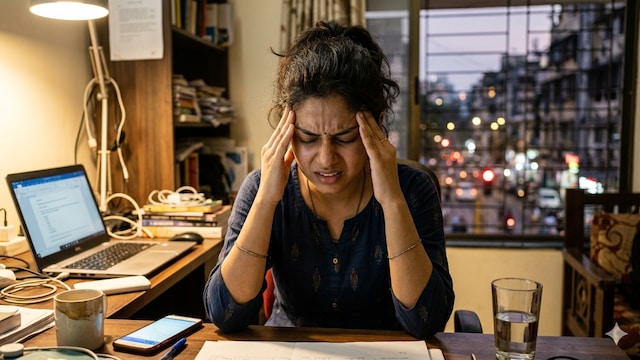
If you ever encounter women who frequently complain of pain and aches, there is a scientific explanation for this. A significant study has found that women experience more pain than men throughout their lives. The study's findings also highlight concerns regarding the gender pain gap, as women are less likely to be prescribed pain relief when necessary and are often dismissed when reporting their discomfort.
The study published in the journal Nature Medicine created a massive global map of physical pain by analysing self-reported data from over 6.1 million people across 118 countries. Instead of relying on official medical diagnoses, which often miss people who cannot afford or access a doctor, the researchers looked directly at what people reported about their own bodily pain from ages 5 to 100 and above.
The study revealed that women reported higher levels of pain than men in all 11 anatomical areas examined, including head, face, neck, back, stomach, hip, and knee.
Significant differences were especially noted in headaches, facial pain, and abdominal pain between the genders. Women were 83 per cent more likely than men to report facial pain, 74 per cent more likely to suffer headaches, and 60 per cent more likely to experience stomach or abdominal pain.
Major findings of the study include:
-
Women report more pain than men
Across all 11 body parts studied, women consistently experienced higher rates of pain. This difference was most noticeable for facial pain, headaches, and stomach/abdominal pain.
-
Pain peaks in middle age, not old age
It is a common assumption that pain simply worsens as you age. However, the study found that for most body parts, pain increases most sharply before age 55, peaks in mid-to-late adulthood, and actually declines in older age.
-
Poorer countries suffer more late-life pain
Previous global estimates suggested that pain conditions were more common in wealthier, highly developed countries. This study found the exact opposite. People in lower-income countries experience significantly more bodily pain in their later years, with lower back pain approaching twice the rate seen in wealthier nations.
-
The causes of pain depend heavily on where you live
In regions like North America and Europe, preventable factors like smoking, obesity, and low income explain a large chunk of the pain burden (up to 27%). In poorer regions, these factors barely explain the pain at all (around 12%). This suggests that other unmeasured factors-such as heavy manual labour, infectious diseases, or lack of medical care-are driving the high rates of pain in developing nations.
-
Back pain is the most prevalent
Across the globe, facial pain was the least common, affecting roughly 2% of people, while back pain was the most common, affecting about 40% of the population.
-
Different body parts age differently:
Stomach and head
Abdominal pain peaks remarkably early, around age 23. Headaches peak shortly after, around age 34.
Upper vs Lower body
Upper-body joint pain like neck, shoulders, elbows peaks around midlife (roughly ages 59-62) and then gets better. However, lower-body, weight-bearing joints like hips, knees, and back keep getting worse, peaking at age 75 or older due to cumulative wear and tear.
-
Obesity specifically targets the ankles and feet
While it is known that obesity increases joint pain, the study pinpointed exactly where the burden lands hardest. Obesity nearly doubles the risk of foot and ankle pain and knee pain, but has a slightly lesser impact on the hips.
READ | Endometriosis Is Not 'Just Bad Period Pain': Why Normalising Women's Pain Should Stop
Ultimately, this research reveals that the global burden of pain grows fastest during working-age years and hits lower-income nations much harder than previously thought, highlighting a massive blind spot in how global healthcare currently tracks and treats physical pain.
Disclaimer: This content including advice provides generic information only. It is in no way a substitute for a qualified medical opinion. Always consult a specialist or your own doctor for more information. NDTV does not claim responsibility for this information.