

)
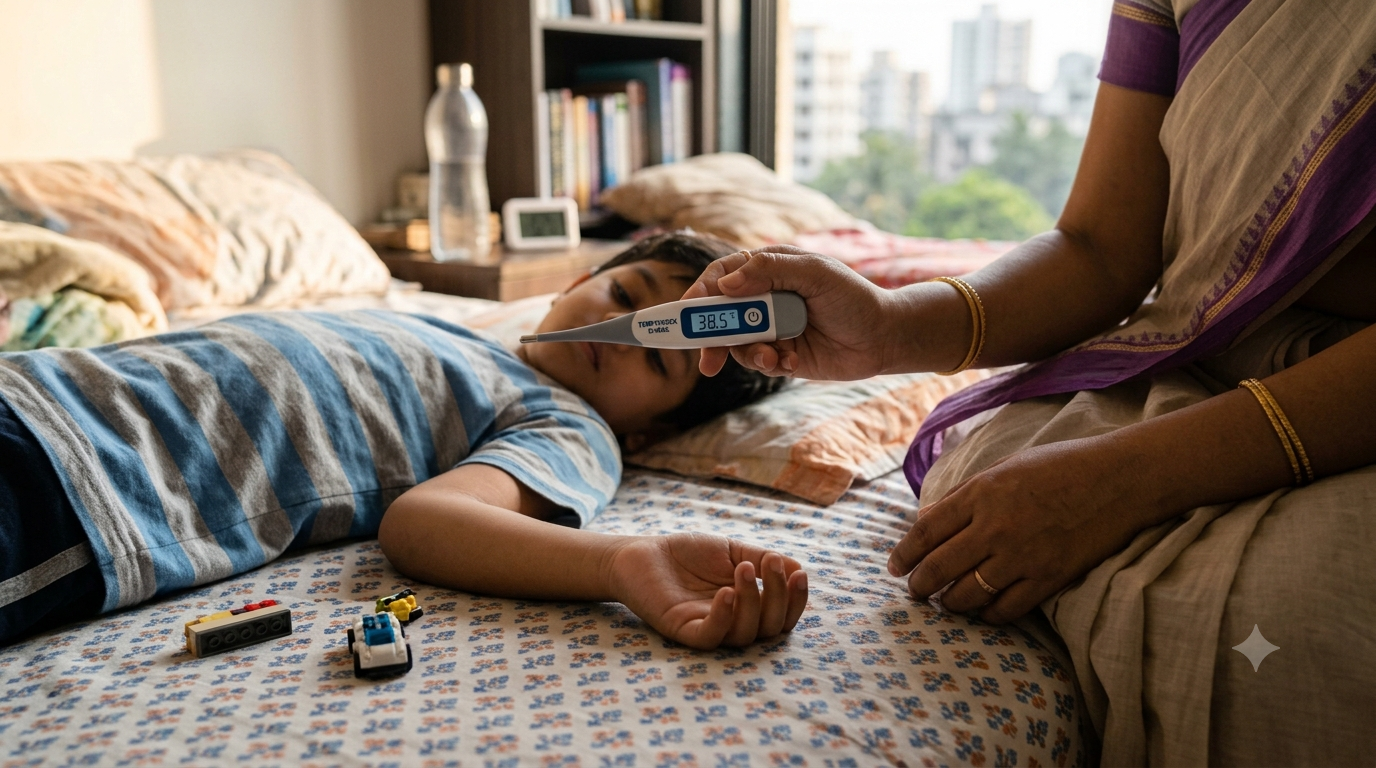
A change in weather often seems to bring a predictable change in a child's health. One week brings warm afternoons, followed by sudden rains or cooler evenings; soon after, a blocked nose, cough, fever or stomach infection. It is common to say that a child has "fallen sick because of the weather", but the reason is more nuanced.
Weather does not directly cause most infections. Seasonal variations affect temperature, humidity, ventilation, and daily activities, which can affect how easily diseases can spread. Children also have frequent close contact with classmates, siblings and friends, increasing their exposure to circulating infections.
What changes when the weather changes?
Children may get sick more often when one season transitions into another because several factors come together:
- More indoor contact: Rain and colder weather can keep children indoors for longer, increasing close contact in classrooms, homes and play areas.
- Reduced ventilation: Closed windows and crowded rooms can make it easier for respiratory infections to spread.
- Changes in humidity and temperature: These conditions can influence the survival and transmission of some respiratory viruses.
- Changes in routine: Seasonal shifts can affect sleep, outdoor activity, hydration and eating habits.
Children generally experience more colds than adults, while hundreds of different viruses can cause common-cold symptoms. The World Health Organization estimates that seasonal influenza causes around 1 billion cases globally each year, including 3-5 million cases of severe illness.
Why monsoon can be challenging for children
India's monsoon brings a combination of respiratory and gastrointestinal health risks. The important point is that rain itself does not make a child ill.
For example, walking home in wet clothes does not automatically cause an infection. A greater risk comes from spending time in crowded indoor spaces, coming into contact with an infected child or consuming contaminated food or water. Understanding this difference helps parents focus on actual sources of exposure rather than trying to shield children from every temperature change.
What parents can do
Safeguarding children doesn't mean keeping them indoors every time the weather shifts. Instead, a few steady habits can reduce their exposure to infections, more realistically:
- Encourage regular handwashing, particularly before meals and after returning from school.
- Keep rooms well ventilated, especially when several children are together.
- During the monsoon, pay attention to safe drinking water and freshly prepared food.
- Maintain a balanced diet and adequate sleep rather than relying on unproven immunity supplements.
Keeping a child who is unwell at home, does not only help; it can also stop infections from spreading towards classmates, siblings and other family members.
Not every fever needs antibiotics
If a kid gets sick whenever the seasons change, it does not necessarily mean that his immunity is poor and he needs antibiotics. Viral infections cause most common colds, and antibiotics cannot cure viral infections.
A child with a mild cough, runny nose and low-grade fever may recover with rest, fluids and monitoring. However, difficulty breathing, dehydration, persistent or worsening fever, unusual drowsiness, or symptoms that improve and then suddenly worsen require medical assessment.
Seasonal illnesses are a normal part of childhood, but they do not have to be treated as an unavoidable consequence of changing weather. The more useful approach is to understand what changes with the season, reduce avoidable exposure and recognise when symptoms need medical attention. For parents, that shift can turn seasonal anxiety into informed action.
(By Dr Manish Mannan, Head of Department Pediatrics and Neonatology, Paras Health, Gurugram)
Disclaimer: The opinions expressed within this article are the personal opinions of the author. NDTV is not responsible for the accuracy, completeness, suitability, or validity of any information on this article. All information is provided on an as-is basis. The information, facts or opinions appearing in the article do not reflect the views of NDTV and NDTV does not assume any responsibility or liability for the same.