

)
Every monsoon, public health efforts focus on controlling mosquito breeding, preventing infections and preparing hospitals for a rise in dengue cases. These measures remain essential, but another challenge has become increasingly difficult to ignore. Alongside the virus, misinformation is spreading rapidly, influencing how people respond to symptoms, treatment and prevention. In many situations, false information can delay medical care and weaken community efforts to control outbreaks.
According to the World Health Organization, dengue remains one of the fastest growing mosquito-borne viral infections globally, with billions of people living in areas at risk. India also reports seasonal increases in cases during and after the monsoon, making public awareness an important part of disease control alongside surveillance and vector management.
How Dengue Spreads and Common Misconceptions
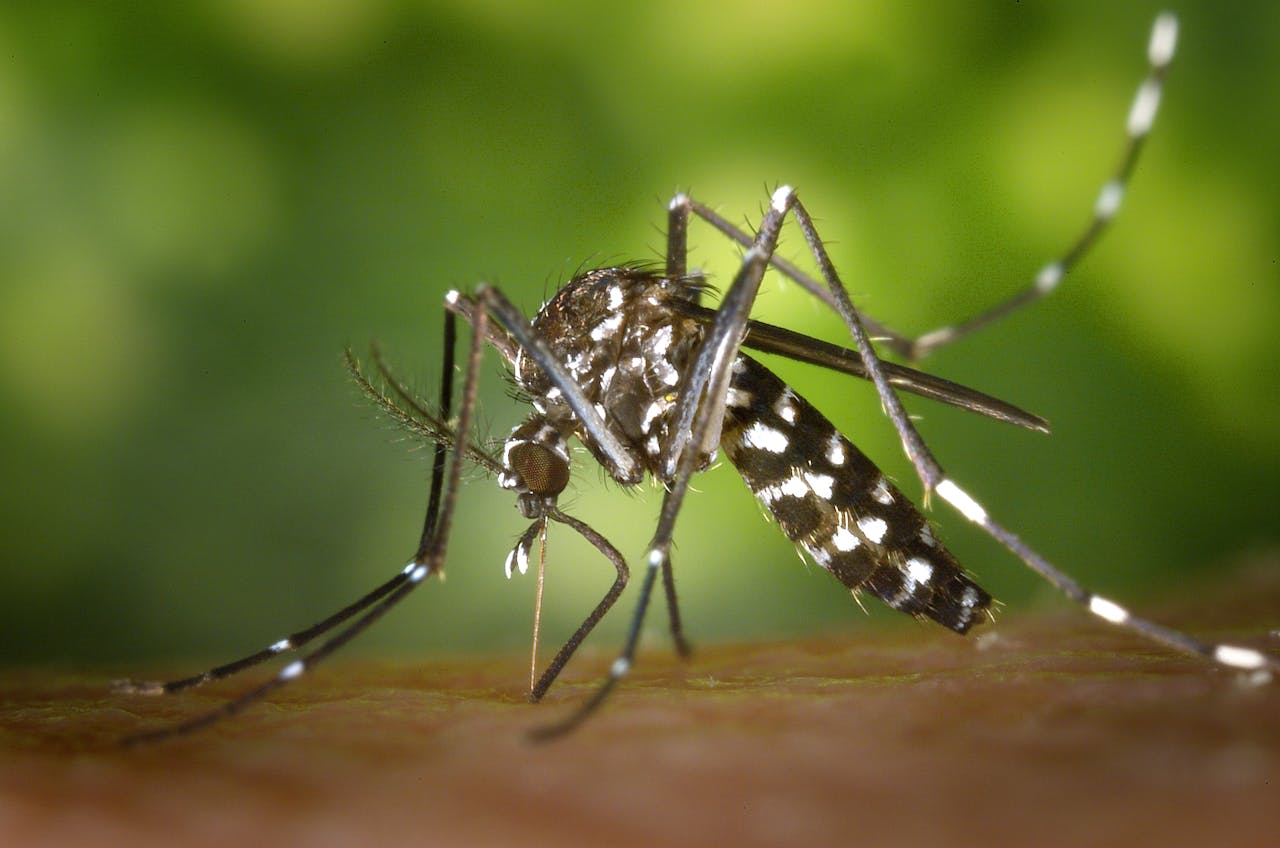
The dengue virus spreads through the bite of infected Aedes mosquitoes. It does not spread through casual contact such as shaking hands, sharing food or being in the same room with an infected person. Despite this, misconceptions continue to circulate widely, particularly through social media platforms and messaging applications. Such messages often appear convincing because they are presented without scientific context or supported by unverified claims.
Several myths continue to influence public behaviour during dengue outbreaks.
- Dengue spreads directly from one person to another
- Home remedies alone can cure severe dengue
- Every fever during the rainy season is dengue
- Dengue vaccines are unsafe or should never be considered
Each of these misconceptions has consequences. Believing that home remedies can replace medical assessment may delay treatment until complications develop. Assuming that every fever is dengue may result in self-medication without proper diagnosis. Fear created by inaccurate information about vaccines can also reduce confidence in preventive healthcare.
The Role of Medical Evidence and Vaccines
Medical evidence continues to guide improvements in dengue prevention. Recent advances include the development of dengue vaccines for selected populations. The World Health Organization has recommended the Qdenga vaccine, also known as TAK-003, for eligible groups in countries where national immunisation policies support its use. Vaccination should always follow recommendations issued by national health authorities because eligibility varies according to local disease patterns and public health strategies. Like any medical intervention, vaccines should be understood through scientific evidence rather than rumours circulating online.
Recognising Warning Signs
Recognising warning signs remains equally important. While many people recover with supportive care, some patients may develop severe dengue, which requires urgent medical attention.
Symptoms that should not be ignored include:
- Persistent vomiting
- Severe abdominal pain
- Bleeding from the gums or nose
- Blood in vomit or stools
- Extreme weakness or unusual drowsiness
- Difficulty breathing or restlessness
Early medical evaluation improves the ability to identify patients who require closer monitoring before complications become life-threatening.
Strengthening Public Health Communication
Public health communication therefore becomes as important as mosquito control. Accurate information allows communities to take appropriate preventive measures while avoiding unnecessary panic. Health campaigns are most effective when information is presented in simple language and adapted to local communities. Schools, healthcare institutions, community organisations and media platforms all have an important role in ensuring that reliable guidance reaches the public before misinformation does.
Healthcare professionals also contribute by addressing common misconceptions during consultations. Explaining how dengue spreads, when testing is required and why warning signs should not be ignored helps build public confidence. Consistent communication based on scientific evidence encourages informed decisions rather than fear-driven responses.
Individuals also play a role in limiting the spread of false information. Before forwarding health-related messages, it is worth confirming whether the information comes from recognised public health agencies or qualified medical organisations. A message shared without verification may unintentionally increase confusion during an outbreak.
Key Preventive Measures
Simple preventive measures remain the foundation of dengue control.
- Remove stagnant water from containers in and around homes
- Cover water storage tanks and containers properly
- Wear clothing that reduces mosquito exposure where appropriate
- Use mosquito repellents and protective screens
- Seek medical advice promptly if fever develops, particularly during dengue season
A Dual Effort Against Virus and Myths
The fight against dengue has always depended on community participation. Mosquito control, early diagnosis and timely treatment remain essential, but they are no longer sufficient on their own. Public understanding has become equally important. Accurate information enables people to recognise symptoms early, follow evidence-based preventive measures and support vaccination policies where recommended.
As dengue continues to challenge health systems across many countries, controlling misinformation has become an essential part of disease prevention. Protecting communities now requires two equally important efforts. One targets the mosquito that carries the virus. The other addresses the myths that can prevent people from making informed decisions when timely action matters most.
(By Dr. Neha Rastogi, Senior Consultant, Infectious Diseases, Fortis Memorial Research Institute, Gurgaon)
Disclaimer: The opinions expressed within this article are the personal opinions of the author. NDTV is not responsible for the accuracy, completeness, suitability, or validity of any information on this article. All information is provided on an as-is basis. The information, facts or opinions appearing in the article do not reflect the views of NDTV and NDTV does not assume any responsibility or liability for the same.