

)
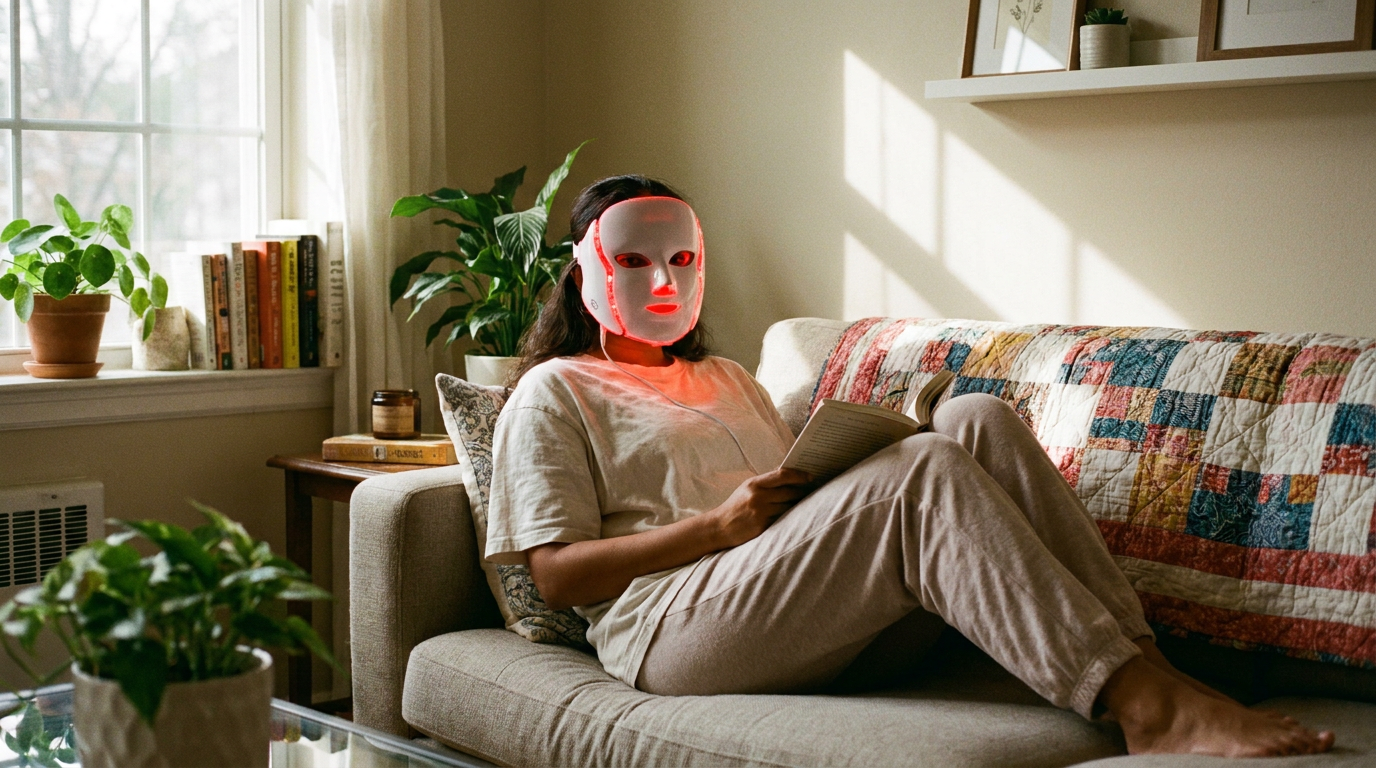
Red light therapy masks have become a popular addition to skincare routines. These devices promise smoother skin, fewer wrinkles and a healthy-looking glow without needles or invasive procedures. The masks use light-emitting diodes (LEDs) to deliver specific wavelengths of light to the skin. Depending on the device, they may use red light, near-infrared light, blue light or a combination of these.
Unlike ultraviolet (UV) rays, which can damage the skin, red and near-infrared light do not expose the skin to UV radiation. Instead, they are thought to impact cellular activity and support processes involved in skin repair. However, the results depend on the device, the condition being treated and how consistently it is used. While LED masks may help improve certain skin concerns, they are not a fix for every skincare problem.
What Are The Benefits Of LED Light Masks?
Red and near-infrared light are commonly used to support skin health, while blue light is often used to target acne-causing bacteria. Here are some potential benefits:
- May reduce fine lines and wrinkles: Red light therapy may support collagen production which is a protein that helps keep skin firm and elastic. With regular use, some people may notice modest improvement in fine lines and skin texture.
- May improve skin texture: LED light therapy may help support the skin's natural repair process. This could make the skin appear smoother and improve its overall appearance over time.
- May help manage acne: Blue light can target bacteria, while red light may help reduce inflammation. Some devices combine both types of light to combat mild to moderate acne.
- May reduce redness and inflammation: Red light therapy may help calm certain forms of skin inflammation. However, people with persistent redness or conditions such as rosacea should consult a dermatologist before using the mask.
- May support skin healing: Certain light-based treatments are being studied for their role in tissue repair. However, evidence from clinical treatments does not automatically mean that every at-home LED mask has the same benefits.
What Are The Side Effects Of LED Masks?
LED masks are usually low-risk when used correctly, but they are not completely free of side effects. Possible problems include:
- Skin irritation: Some users may experience temporary redness, dryness, itching or discomfort.
- Eye sensitivity: Bright light may cause discomfort or potentially harm the eyes if the device is used incorrectly.
- Pigmentation changes: Visible light may worsen pigmentation in some people, particularly those prone to conditions such as melasma.
- Worsening of existing skin problems: People with light-sensitive skin conditions may experience flare-ups after exposure.
Who Should Use LED Light Masks, And Who Should Avoid Them?
These masks may be suitable for adults looking to address mild signs of skin ageing or mild acne. However, choosing the right device is important.
- Who may benefit: People seeking modest improvements in fine lines, skin texture or mild acne may consider LED therapy as an additional skincare treatment.
- Who should consult a dermatologist first: People taking medicines that increase sensitivity to light, including certain antibiotics, or those with conditions such as lupus or melasma should seek medical advice before using a mask.
- Who should be cautious: People with darker skin tones who are prone to pigmentation should discuss the risks with a dermatologist, as visible light can aggravate dark spots in some individuals.
- Who should avoid unsupervised use: Anyone with an active skin infection, unexplained lesions or a condition that causes significant light sensitivity should obtain medical advice before treatment. People with a history of skin cancer in the treatment area should also consult their doctor.
How To Use An LED Mask Safely
Using a mask correctly matters as much as choosing the right one. Follow these basic steps:
- Choose a suitable device: Look for a reputable product with clear safety information and evidence supporting its intended use.
- Clean your face: Remove makeup, sunscreen and dirt before treatment unless the manufacturer's instructions say otherwise.
- Follow the recommended duration: Sessions may last several minutes, depending on the device. Do not extend the time or increase the frequency in the hope of getting faster results.
- Protect your eyes: Use the recommended eye protection and never stare directly into the LEDs.
- Stay consistent: Improvements may take several weeks. Take progress photographs under similar lighting rather than expecting an overnight transformation.
- Maintain your skincare routine: Continue using a gentle cleanser, moisturiser and broad-spectrum sunscreen. Do not replace prescribed acne or anti-ageing treatments without medical advice.
Disclaimer: This content including advice provides generic information only. It is in no way a substitute for a qualified medical opinion. Always consult a specialist or your own doctor for more information. NDTV does not claim responsibility for this information.