

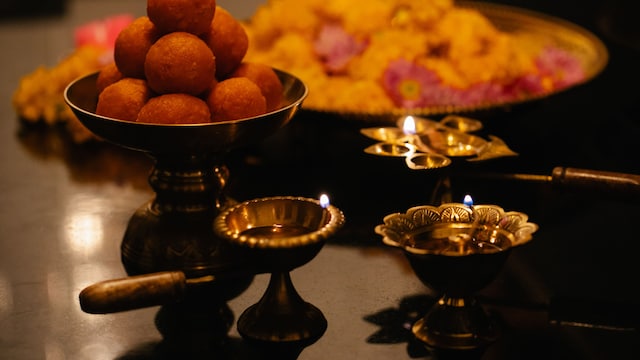
Diwali, also known as the Festival of Lights, is celebrated with great enthusiasm. One of the most delightful aspects of this festival is the abundance of sweets. Traditional treats like ladoos, barfis, and gulab jamun become staples during Diwali celebrations. However, this joyous season often leads to overindulgence, as families and friends come together to share food and sweets, making it difficult for many to maintain healthy eating habits, especially for diabetics.
For diabetics, the festive season can be even more challenging. High sugar intake from sweets, combined with festive meals that may be rich in carbohydrates, makes it difficult to maintain stable blood sugar levels. This is especially true when social gatherings can lead to mindless snacking and larger portion sizes.
However, managing diabetes or prediabetes during Diwali doesn't mean completely skipping the celebrations. Diabetics can successfully manage blood sugar during Diwali by practising portion control, balancing your plate with protein and fibre, sticking to routine, and keeping active.
"In India, during festivals, the issues in patients with diabetes are the risk of both hyperglycaemia and hypoglycaemia. Hypoglycaemia mainly occurs during periods of fasting, especially in those who are on drugs that are insulin secretagogues or insulin during the fast. The fast and feast cycles predispose to DKA (diabetic ketoacidosis) when insulin is stopped," says Dr. Anu Mathew, Consultant Endocrinologist at Fortis Manesar.
"In the feasting time, people should be mindful of their carbohydrate intake as it can acutely increase the post-meal glucose. They should combine the carbohydrates with protein and fibres to reduce glucose spikes," Dr. Mathew recommends.
"ICMR-National Institute of Nutrition cautions against sugar-free claims in sweets, as maltitol in these can increase blood glucose. It is advised that patients break fasts if glucose is less than 70 and should check their blood glucose two to three times a day. Patient needs to have a pre-festive written fasting plan. They should never stop insulin during fasting, especially in Type 1 Diabetes."
"Never skip meals to save for a feast. Sweets should preferably be taken after meals, and not on an empty stomach. Also remember to walk after meals," Dr. Mathew concluded.
What you should eat
1. Focus on foods that digest slowly for stable energy and steady blood glucose.
2. Include protein and fibre-rich foods like vegetables, paneer, tofu, curd, eggs, and lean poultry.
3. Choose complex carbohydrates and whole grains such as brown rice, whole wheat, millets, oats, and dals over refined white flour.
4. Opt for healthy snacks like roasted nuts, seeds, makhana, or chana masala chaat instead of packaged snacks.
5. When making sweets at home, use low-calorie or minimal natural sweeteners and add nuts or seeds for extra fibre and healthy fats.
What you should limit
Be cautious with items that cause immediate, sharp rises in blood glucose levels:
1. Limit to one favourite (about 25 grams) after meals.
2. Reduce intake of items like chakli and samosas.
3. Avoid sweetened beverages; choose whole fruits instead.
4. Remember they raise blood sugar like refined sugar.
Things you must keep in mind
A successful festive routine relies heavily on consistency and self-care:
1. Don't skip meals to save room for sweets. It can lead to blood sugar swings and overeating later.
2. Take medications on time, even during late-night gatherings.
3. Monitor your blood sugar more frequently during the festival.
4. After heavy meals, take a 15 to 30-minute walk to help manage glucose levels.
5. Stay hydrated by drinking plenty of water to help your kidneys flush out excess sugar.
By keeping these tips in mind, diabetics can enjoy Diwali while managing their health effectively, balancing the joy of the festival with the need for mindful eating.
Disclaimer: This content including advice provides generic information only. It is in no way a substitute for a qualified medical opinion. Always consult a specialist or your own doctor for more information. NDTV does not claim responsibility for this information.