

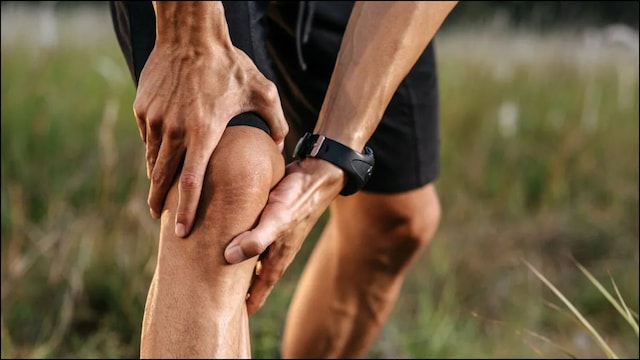
Seasonal changes are often associated with everything from stiff joints to arthritis flare-ups. Many people notice that their knees, shoulders or lower back seem to hurt more when temperatures drop or there is increased moisture in the air. While cold or damp weather does not cause arthritis, seasonal changes can influence how existing bone and joint conditions are experienced. Changes in temperature, physical activity, daily routines and even muscle behaviour can all contribute to increased discomfort. One of the most noticeable effects of a change in weather is joint stiffness. Lower temperatures can make muscles and soft tissues feel tighter, particularly when a person has been inactive for long periods. This can become more noticeable in people who already have osteoarthritis or other joint conditions. Simple activities such as getting up from a chair, climbing stairs or walking for longer periods may feel more difficult when the joints are already painful or stiff.
The Link Between Atmospheric Pressure and Joint Pain
Changes in atmospheric pressure are also commonly linked to increased joint discomfort. Some people with arthritis report experiencing pain or stiffness before a change in weather. The exact reason for this association is not completely understood, and research continues to explore how changes in pressure may influence tissues surrounding the joints. However, it is important to distinguish between an increase in symptoms and the development or progression of the disease itself. Weather changes do not cause arthritis.
Reduced Physical Activity Can Worsen Discomfort
Another important factor is the reduction in physical activity that often accompanies extreme weather. During very cold, hot or rainy periods, people may spend more time indoors and move less. Prolonged inactivity can contribute to muscle weakness, reduced flexibility and greater stiffness around the joints. This is particularly relevant for weight-bearing joints such as the knees, hips and spine, where strong supporting muscles are important for maintaining mobility and reducing unnecessary stress.
Staying Active Despite Seasonal Changes
For this reason, avoiding movement altogether is rarely the answer to weather-related joint discomfort. Instead, physical activity should be adapted to the conditions. Beginning with a gentle warm-up can help prepare the muscles and joints for movement. Walking, stationary cycling, stretching and other low-impact exercises can help maintain mobility and muscle strength. Those with existing joint problems should increase the intensity and duration of exercise gradually rather than suddenly undertaking strenuous activity after a prolonged period of inactivity.
Nutrition and Its Role in Bone and Muscle Health
Nutrition is another part of maintaining musculoskeletal health. Adequate protein, calcium, vitamin D and other essential nutrients support bone and muscle health. Reduced sunlight exposure during certain seasons may contribute to vitamin D deficiency in some individuals, but supplements should not be taken routinely without considering an individual's nutritional status and medical needs.
When Should Joint Pain Not Be Ignored?
Most importantly, persistent pain should not simply be attributed to the weather. Significant swelling, prolonged morning stiffness, restricted movement, joint instability or pain that interferes with everyday activities warrants medical evaluation. These symptoms may indicate an underlying condition that requires appropriate treatment.
Looking Beyond the Weather Myth
Ultimately, the weather may influence how our joints feel, but it is not the primary determinant of bone and joint health. Regular physical activity, maintaining muscle strength, a balanced diet and timely attention to persistent symptoms remain far more important. Understanding this distinction can help people move beyond the weather myth and focus on habits that genuinely support long-term musculoskeletal health.
(By Dr Ankur Singh, Associate Director & Head (Unit I) - Orthopaedics & Robotic Joint Replacement, Sarvodaya Hospital, Greater Noida West)
Disclaimer: The opinions expressed within this article are the personal opinions of the author. NDTV is not responsible for the accuracy, completeness, suitability, or validity of any information on this article. All information is provided on an as-is basis. The information, facts or opinions appearing in the article do not reflect the views of NDTV and NDTV does not assume any responsibility or liability for the same.