

)
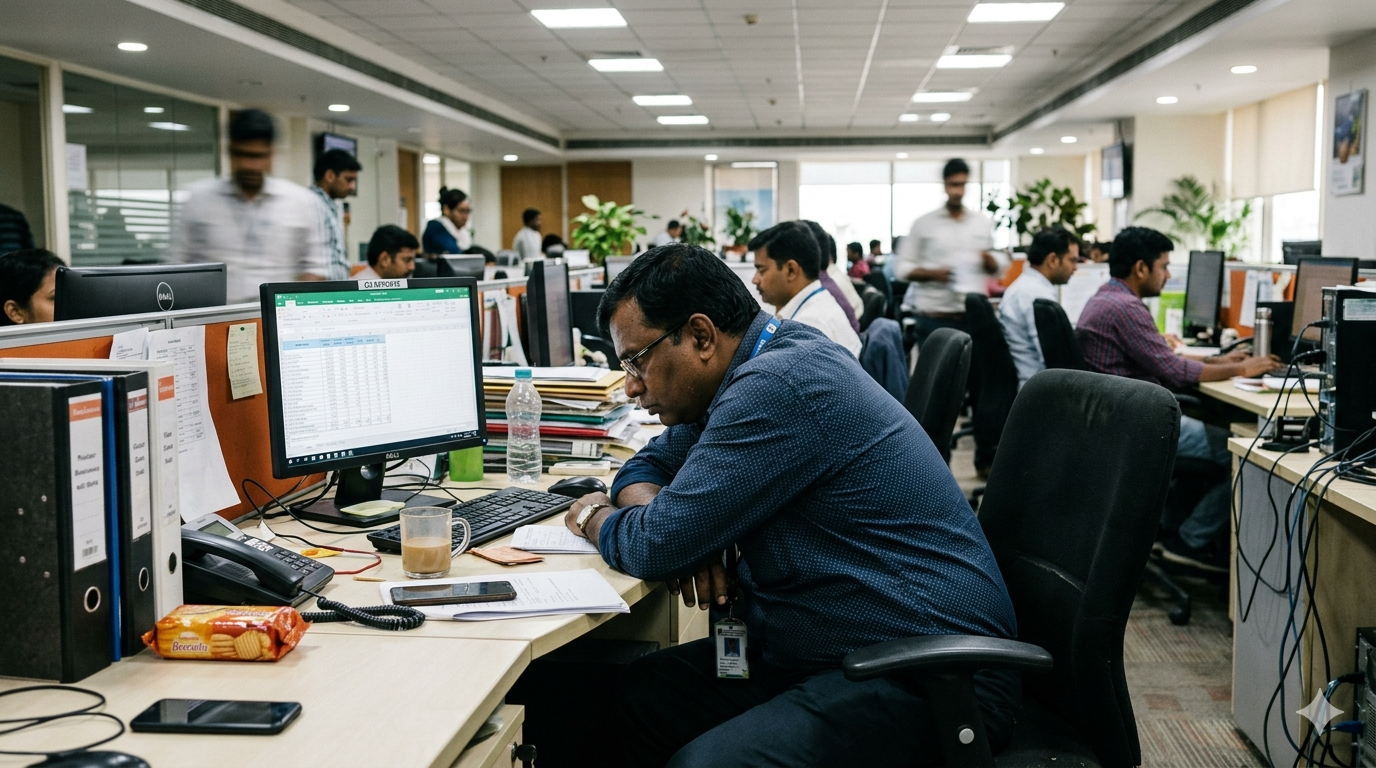
Joint damage is often associated with athletes, injuries, falls or simply getting older. But increasingly, people in their 30s and 40s are walking into orthopaedic clinics with hip stiffness, persistent back pain, knee discomfort and early spinal degeneration, despite having no history of major injury or intense physical activity. One common factor stands out: spending eight, nine or even 11 hours a day sitting.
For many working individuals, sitting for long periods of time has become a habit of their daily life routine. Whether it is sitting behind their desks for work, spending more time on screens and doing remote jobs, motion has become stagnant due to these activities. Even though there is no immediate harm done from sitting down, the damage done to the joints and the spine accumulates over time.
Movement Is Essential for Healthy Joints
Joints need motion in order to be healthy. Joint cartilages have limited blood circulation and depend on the circulation of synovial fluid for nutrients. Sitting for long periods limits the movement of this fluid thus leading to joints being stiffer and losing flexibility.
Your Hips Can Become Tight and Stiff
The other body part that is greatly impacted by sitting is the hip. While one is in the sitting position, the hip stays flexed for a long period of time. Due to this reason, the hip flexor muscles get stiffened and lose their flexibility.
Because of this stiffness in the hip muscles, the pelvic alignment changes and the movements of the hips and lower back muscles are impacted when one does things like walking or exercising. This may cause pain in the hips, groin or lower back especially if the person stands up suddenly after a whole day of sitting. It is essential to move regularly and stretch the hips to prevent them from getting stiff.
The Spine Bears a Significant Load
The spine may be one of the biggest casualties of prolonged sitting. Sitting places considerable mechanical stress on the lower back, and slouched sitting can increase this strain further.
When we sit for long periods without changing position, the muscles supporting the spine can become fatigued. Poor ergonomics, a forward head position and rounded shoulders can further contribute to neck and back discomfort.
Over time, prolonged sedentary behaviour may contribute to reduced spinal mobility and aggravate existing disc-related problems. Younger adults who spend most of their working day at a computer are increasingly reporting back and neck problems that were once more commonly associated with older age groups.
What Happens to the Knees?
The knees are not immune to the effects of prolonged sitting either. Maintaining knee flexion for several hours may lead to stiffness and pain, especially upon rising from a long period of sitting.
For people who are already prone to knee problems, inactivity can also contribute to muscle weakness around the knee. Strong muscles around the hips and thighs play an important role in supporting and stabilising the knee joint.
The problem, therefore, is not simply the position of the knee while sitting, but the combination of prolonged inactivity, muscle weakness and limited movement throughout the day.
India's Growing Sedentary Lifestyle
The rising trends of sedentary living styles become very pertinent for Indians due to an increasing trend of white-collar jobs in various sectors such as IT, financial services, customer service support, etc. Hybrid work schedules further minimize the movement in daily working life.
The inactivity data reflects this broader change. The Lancet Global Health study has found that the proportion of physically inactive Indians has increased sharply from 22.4 percent in 2020 to 45.4 percent in 2022 and is projected to increase further to 55 percent by 2030.
The ICMR-INDIAB study has also shown the extent of physical inactivity in India, with more than half of the adults in India being physically inactive, where physical inactivity was greater in urban areas compared to rural areas.
You Don't Need to Exercise for Hours
The prevention of consequences from the extended period of sitting will not demand intensive exercises or good posture. It will only need to change the sitting position through the short period of walking or standing every 30-45 minutes, use the stairs, when possible, stretch the hips and back, and build strength in muscles of hips, knees, and spine. Frequent small movements during the day may be much more effective than constant sitting for many hours and doing exercises in one training session. Joints need movement, and regular exercise is one of the easiest ways to maintain joint flexibility and spine integrity.
(By Dr Kiran S Chouka, Lead Consultant - Orthopaedics, Joint Replacement, Arthroscopy and Robotic Surgery, Manipal Hospital Yeshwanthpur)
Disclaimer: The opinions expressed within this article are the personal opinions of the author. NDTV is not responsible for the accuracy, completeness, suitability, or validity of any information on this article. All information is provided on an as-is basis. The information, facts or opinions appearing in the article do not reflect the views of NDTV and NDTV does not assume any responsibility or liability for the same.