

)
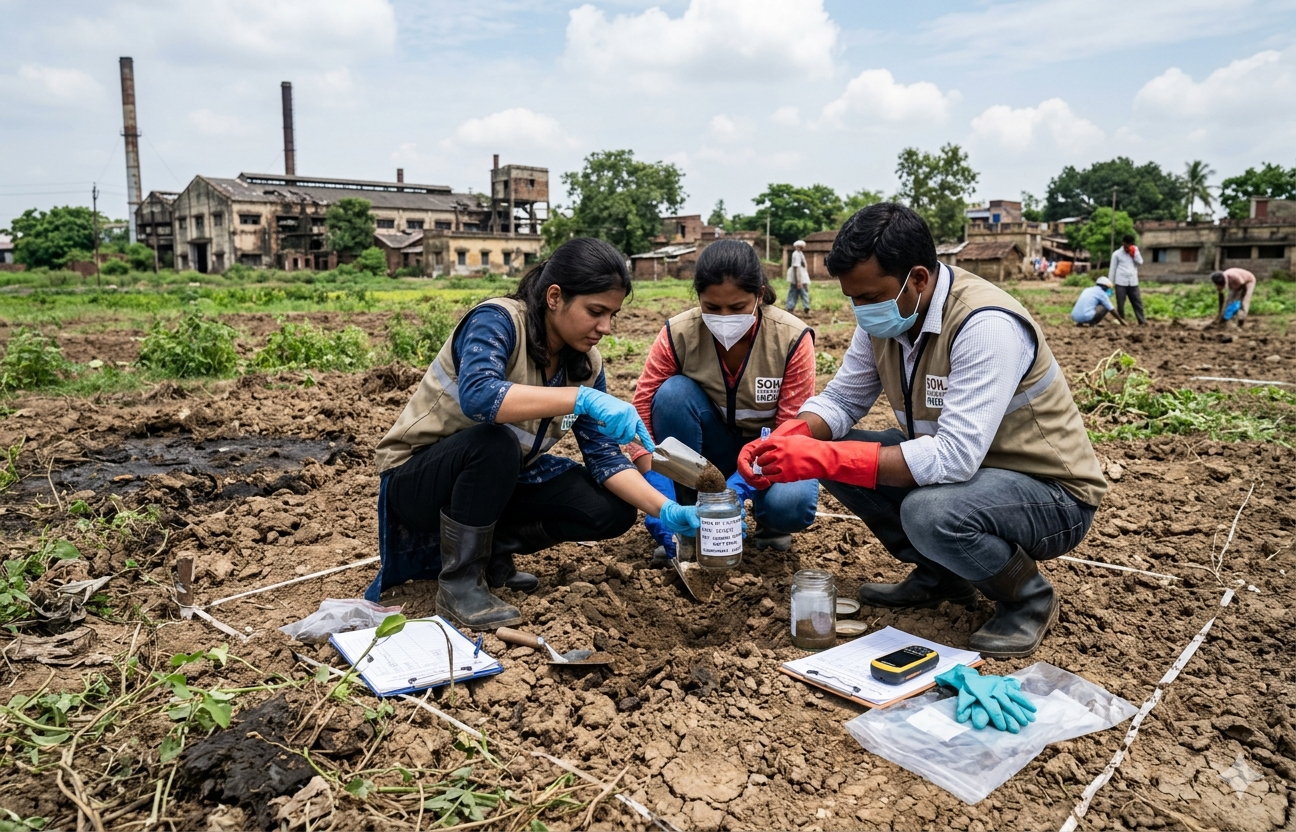
Lead levels in the soil have become dangerously high in four Indian states, including the Delhi-NCR region. This has been revealed in a study published by an independent environmental research group, Toxics Link, The study highlights that the concentration of lead, a heavy metal that causes significant health issues, has increased from being in the hundreds to 43,800 parts per million (ppm) near the battery recycling units in four states. The study specifically looked at soil samples collected from the region that were found to exceed the 5,000-ppm hazardous threshold established by the Central Pollution Control Board (CPCB) of India. The affected regions of the lead contamination are Delhi-NCR, Rajasthan, Haryana, and Uttar Pradesh, and the study claims these soil samples were collected near homes, schools, and playgrounds to assess the widespread nature of lead contamination where people reside and spend most of their time.
The findings were published in a report titled "Soiled with Lead: from Battery Recycling" that assessed contamination in and around authorised (formal) and unauthorised (informal) recycling units across Indian states and highlights significant gaps in the enforcement of India's Battery Waste Management Rules, 2022, and the Extended Producer Responsibility framework.
If backed by government sources, this level of soil contamination could be a matter of serious health concern as soil is not a passive pollutant but an active exposure pathway to individuals who reside within the environment where lead contamination is rampant. As another research mentioned in the Journal of Trace Elements and Minerals highlights, lead contamination in soil is a matter of public health concern, as it is a toxic metal.
What Previous Reports Reveal
The new study is not a completely new development, as a joint report by NITI Aayog and the Council of Scientific and Industrial Research in 2022 highlighted the same issue in depth. The report indicates the following lead contamination levels in the soil samples that serve as point of reference for the new findings:
- 3,920 ppm in the soil sample near a battery recycling site, Karnataka.
- 8,970 ppm in the soil sample near the same recycling site.
- 21,200 ppm in the soil collected inside the recycling workplace.
To understand the severity of the health risks that lead contamination in the soil poses, you need to understand how it is dangerous and how the lead from the soil can enter the body and cause irreparable harm.
Why Soil Lead Contamination Is Especially Dangerous
Lead is a commonly occurring metal that is present in rocks, soils, sediments, and natural waters. But the danger arises when the concentration of it exceeds safe levels, which can ultimately lead to health issues. The heavy metal binds to soil and dust and can be ingested by people accidentally, without them knowing that they have been exposed to the heavy metal.
Adults have developed immune systems, so their internal bodily functioning can suffer due to potential lead contamination in their environment. The main health concern is for children with underdeveloped immunity who remain most at risk. According to the World Health Organization (WHO) and the Indian National Center for Disease Control (NCDC), there is no safe limit to lead exposure. As per the Centers for Disease Control and Prevention (CDC) blood lead reference value (3.5 micrograms/decilitre) for children has been far exceeded, as per the reported findings in the toxics link study.
The Toxics Link study has found lead concentration levels in soil samples in Haryana, Rajasthan, Delhi NCR, Haryana, Rajasthan and Uttar Pradesh. So, the residents of these areas need to be aware of the possible health risks that they are exposed to.
Also Read: Uranium Found Rising In Delhi's Groundwater: What It Means For Your Health
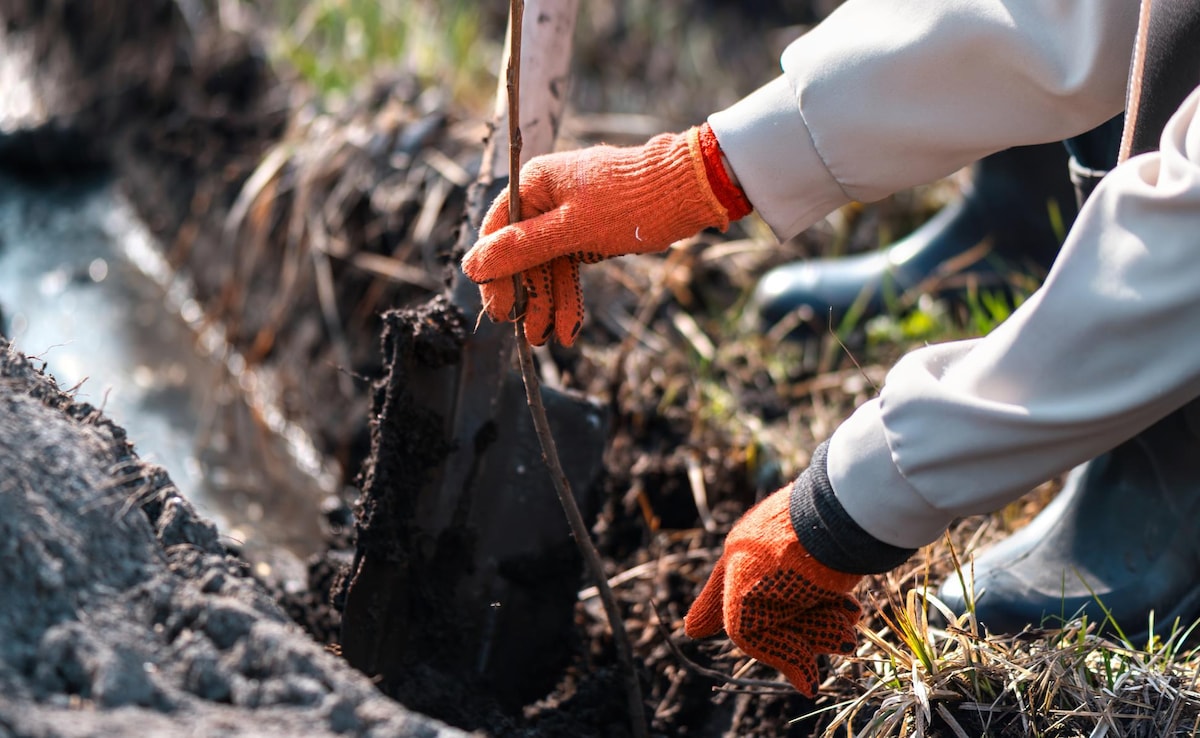
Soil contamination
Photo Credit: Freepik
How Lead From Soil Enters The Human Body
The heavy metal has different mechanisms of exposure through which it can enter the body, and these pathways need to be kept in mind while creating a safety strategy for your well-being. Ingestion of contaminated dust can arise when the lead from the soil gets mixed into the air. Here is how it can enter the body:
- Inhalation of resuspended soil particles can cause the lead to become aerosolised, and people can breathe it in, and it can get absorbed in the body.
- Food grown in contaminated soil can leach heavy and toxic metals into the food source and be ingested by people through their diet.
- Take-home exposure from parents working near battery recycling units can become possible carriers of the contamination and suffer from serious health issues as a result.
In short, the lead in the soil gets mixed into the air through dust, which can be absorbed by the hands, through food, or by air, leading to exceeding lead levels in the blood, where it can damage the brain and organs.
The Health Impacts Of Lead Contamination Explained By A Doctor
To get a deeper insight into how lead contamination poses a risk to adults and children, NDTV spoke to Dr Radhika Lotlikar, Neurologist, Apollo Hospitals, Pune, who explains in depth the dangers that lead contamination in soil poses.
She says that lead contamination, "is a silent thief that affects the brain in ways that often cause permanent damage before a single symptom appears. From a neurologist's perspective, even trace levels of exposure disrupt the delicate communication between brain cells."
Dr Lotlikar also highlights that "in children, whose developing brains are most vulnerable, this interference manifests as learning disabilities, behavioural struggles, and lifelong cognitive hurdles. For adults, chronic exposure can lead to memory loss, irritability, and nerve damage. The concerning part is that children are far more sensitive to lead than adults, and the impact on developing brains can be long-lasting."
These risks are hidden in the environment, from ageing water pipes to lead-based paint in older homes. "This isn't just an individual medical issue," Dr Lotlikar adds. "It is a community-wide crisis that diminishes school performance and economic productivity.
However, lead poisoning is entirely preventable. Through proactive testing, public awareness, and safer environmental standards, we can eliminate this burden. Protecting our brains from lead isn't just about medicine, it's about safeguarding the future health and potential of our entire population."
Dr Harit Chaturvedi, Chief Executive Officer and Clinical Head of the Oncology Network, Indraprastha Apollo Hospital, Delhi details that, “ While children are especially vulnerable due to the risk of irreversible brain damage and developmental issues, adults are also at significant risk, with lead impacting multiple organs, including the kidneys and contributing to long-term health complications.”
Other Health Impacts Of Lead Contamination
As per the findings of both the CSIR-NITI Aayog 2022 report on lead contamination in the soil, and the new Toxics Link study, are a cause of great alarm to the following health impacts:
- Cognitive impairment and intelligence quotient loss in children, which will affect overall productivity
- Behavioural disorders and attention deficits will become more common as lead levels in the soil remain dangerously high.
- Anaemia, kidney, and heart disease will become more widespread as the high lead levels in the environment impact human well-being.
- Pregnancy risks like miscarriage and low birth weight will become common due to high levels of lead in the environment, which can impact bodily functioning.
- A rising global disease burden attributable to lead exposure is imminent and needs to be addressed at the state level.
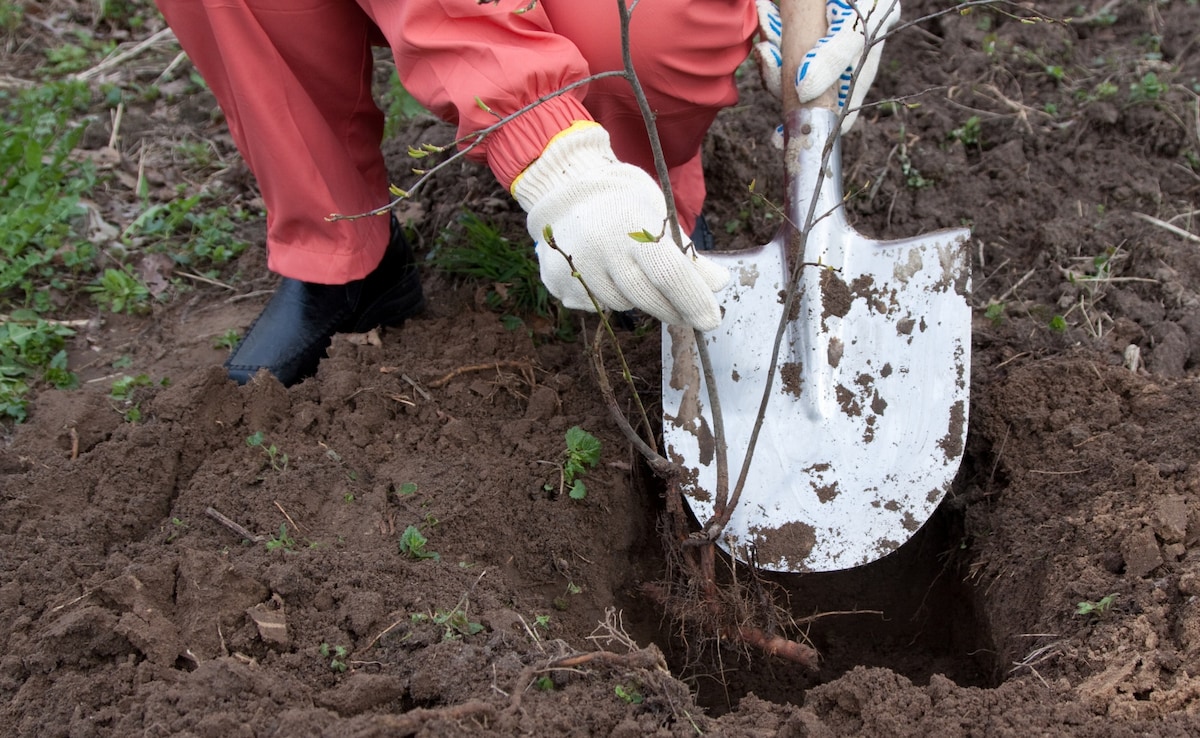
Lead contamination in soil
Photo Credit: Freepik
NDTV spoke to Dr.Suhas Mondhe, Consultant Nephrology and Transplant Physician, Manipal Hospital, Baner, Pune, who explains, “ long-term exposure to lead is known to affect the kidneys permanently in the form of increased blood pressure, high uric acid levels, and gout. It is also known to cause conditions like Fanconi syndrome, where the patient loses sugar and amino acids in urine, and over a long period has caused the kidneys to decrease function permanently.”
Why North India Is A Hotspot
The soil samples, as per the study conducted by Toxics Link, have made it public knowledge that the density of formal and informal lead-acid battery recycling is the main cause of this dangerously high lead contamination in the soil.
There is attributed in their study to the weak enforcement of Battery Waste Management Rules, 2022, for safe disposal practices that need to become stringent to ensure public health safety.
The proximity of recycling units to residential areas is a matter of great concern, as it increases lead exposure levels at a faster pace.
Old industrial belts are overlapping with urban expansion that needs to be revised via a systematic framework to avoid a huge public health crisis.
Even authorised battery recycling units showed high soil lead levels, such as leakage and waste handling gaps, that polluted the soil with dangerously high lead levels.
How To Prevent Lead Contamination Health Impacts
Lead contamination in soil is a matter of great public concern for adults and children alike. As per the global health agencies, such as the CDC, certain prevention strategies need to be taken to ensure safety:
- Primary prevention is critical, which means don't rely only on blood testing alone; you need to get the soil sample near your vicinity tested to find out the exact concentration of lead in your area.
- Environmental remediation is essential, as environmental health and human health are interconnected.
- Regular screening of children in high-risk zones is necessary so that the fallout from the serious health complications can be recorded and addressed.
- Community awareness and hygiene practices are needed to avoid dealing with the serious health consequences that contamination poses.
Also Read: High Levels Of Salt In Delhi Groundwater: 4 Ways Water Pollution Impacts Your Health
Is This A Silent Public Health Emergency?
Lead contamination in the soil is a silent public health emergency, as it can lead to the following:
- A non-communicable environmental disease burden can exponentially increase.
- Long-term economic losses from reduced cognitive potential are imminent.
- Intergenerational health damage is possible if serious steps aren't taken to address the damage.
- The symptoms often go unnoticed until damage is done, as they are slowly eroding your physical and mental health.
What Needs To Happen Now
There needs to be a policy and public action that focuses on implementing practical solutions. The government and environmental health agencies need to:
- Identify and map contaminated sites to make people aware of the damage.
- Enforce environmental regulatory protection practices for battery disposal to avoid even further contamination of lead in the soil.
- Mandatory soil and dust monitoring to keep an active check on the avenues of possible exposure.
- Public disclosure of contamination data is to make people aware of the damage they face and to be completely transparent.
For Communities And Families
- At the community level and to safeguard families, they need to:
- Avoid bare-soil play areas near industrial zones; this is very dangerous.
- Regular handwashing for children to reduce possible exposure.
- Wet-mopping dust-prone surfaces to remove the lead particles.
- Seek blood lead testing where exposure is suspected to know the exact levels and seek timely medical intervention.
Lead-contaminated soil is an invisible but potent threat to public health. The science is clear; the exposure pathways are proven. And ignoring soil contamination risks condemns another generation to preventable harm.
Disclaimer: This content, including advice, provides generic information only. It is in no way a substitute for a qualified medical opinion. Always consult a specialist or your own doctor for more information. NDTV does not claim responsibility for this information.