

)
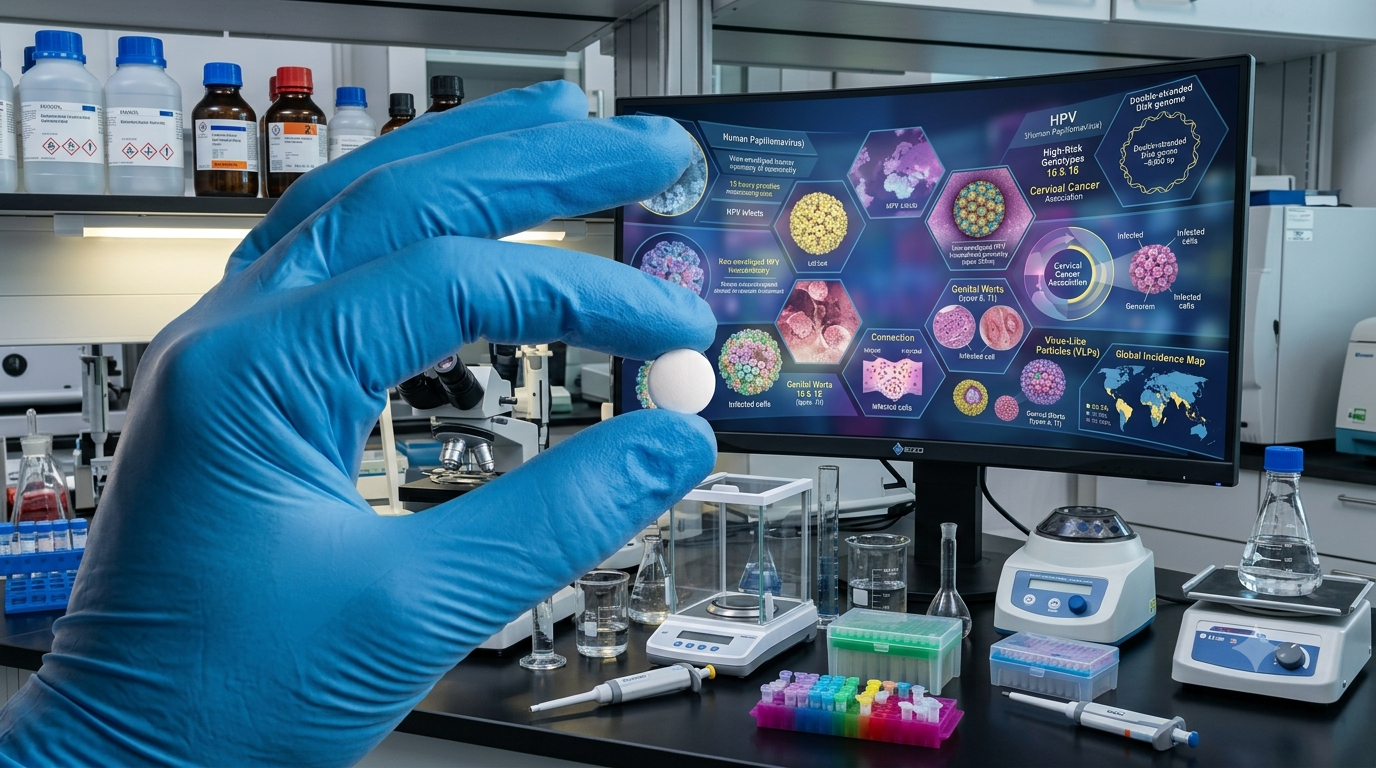
A potential drug treatment that could one day reduce the need for surgery in women with stage 0 cervical cancer and precancerous cervical lesions has moved a step closer to clinical development, after the Indian Council of Medical Research (ICMR) licensed a novel anti-HPV therapeutic candidate, SHetA2, to Pune-based Emcure Pharmaceuticals.
If future human studies establish its safety and effectiveness, SHetA2 could become one of the first targeted drug therapies for cervical intraepithelial neoplasia (CIN) - the precancerous changes caused by persistent human papillomavirus (HPV) infection that can eventually progress to cervical cancer. Unlike current treatment, which primarily relies on surgery to remove abnormal cervical tissue, the experimental therapy aims to selectively eliminate diseased cells while preserving healthy tissue.
Developed through years of research at the Stephenson Cancer Center at the University of Oklahoma, the drug was evaluated against HPV-associated cervical cancer by scientists at ICMR's National Institute of Cancer Prevention and Research (NICPR). The two institutions jointly filed intellectual property for the technology before recently signing a Memorandum of Agreement to facilitate technology transfer. Emcure will now take the candidate forward through manufacturing and clinical development.
How SHetA2 Works
Persistent infection with high-risk HPV is the leading cause of cervical cancer. The virus produces two cancer-causing proteins, E6 and E7, which disable the body's natural tumour-suppressing mechanisms and drive uncontrolled cell growth.
Doctors at ICMR have said that "SHetA2 interrupts this process by targeting key heat shock proteins inside human cells-mortalin, Heat Shock Cognate 70 (HSC70) and Glucose Regulated Protein 78 (Grp78)-that help stabilise the HPV E7 protein. Once this interaction is disrupted, the E7 protein breaks down, allowing the body's normal defence mechanisms to regain control over abnormal cell growth."
Unlike immunotherapy, SHetA2 is a targeted small-molecule therapy that directly acts on these intracellular proteins rather than stimulating the immune system to attack cancer cells.
Who Could Benefit?
The therapy is being developed for women with cervical precancerous lesions as well as cervical cancer. Based on preclinical evidence, sources within the ICMR believe "it has the potential to treat high-grade cervical intraepithelial neoplasia (CIN2 and CIN3) and invasive cervical cancer. Human clinical trials will determine which patients are most likely to benefit and at what stage of disease."
Cervical intraepithelial neoplasia is graded according to the severity of abnormal cell changes. CIN1 is mild and often resolves without treatment, while CIN2 and CIN3 carry progressively higher risks of progressing to invasive cancer. Stage 0 cervical cancer, or carcinoma in situ, is the pre-inv%%asive stage in which abnormal cells remain confined to the surface of the cervix.
Why It Could Change Treatment
Current treatment removes abnormal cervical tissue through surgical procedures that are highly effective in preventing cervical cancer. However, surgery removes part of the cervix and can sometimes affect future pregnancies.
Doctors at ICMR noted "a targeted drug could instead destroy only HPV-driven abnormal cells while preserving healthy cervical tissue. SHetA2 has primarily been developed as an oral therapy and has been evaluated in capsule formulations."
Scientists are also exploring localised delivery methods, including a vaginal suppository, to maximise drug concentration at the cervix while minimising exposure to the rest of the body.
The approach reflects a broader shift in cancer treatment towards precision medicines that target diseased cells while minimising damage to healthy organs.
Clinical Trials Come Next
ICMR officials also caution that SHetA2 remains an experimental therapy and is not yet ready for routine clinical use.
Emcure Pharmaceuticals will now undertake technology transfer before moving towards manufacturing, regulatory approvals and human clinical trials. The drug will need to undergo rigorous testing to establish its safety, determine the optimal dosage, evaluate possible side effects and compare its effectiveness with existing surgical treatment before regulators can consider approval.
Researchers estimate the entire development process could take up to five years, depending on clinical trial outcomes.
Upon pricing of the therapy, sources from the medical research body said that the final price of the therapy will depend on manufacturing, regulatory approvals and commercialisation. "As an oral small-molecule drug, it is expected to be considerably less expensive than many biologic or immunotherapy-based cancer treatments. If approved, it could also reduce the need for hospital admissions, repeated hospital visits and infusion-based treatment", they said.
Potential Beyond Cervical Cancer
Scientists are also exploring whether the same approach could work against other HPV-associated cancers. High-risk HPV is responsible for nearly all cervical cancers but is also linked to cancers of the anus, penis and parts of the head and neck.
"If SHetA2 proves successful in cervical disease, similar strategies could eventually be explored for other HPV-driven precancerous conditions and cancers", said the doctor from ICMR.
Why It Matters For India
The development comes as India continues to carry one of the world's highest cervical cancer burdens. According to the World Health Organisation, cervical cancer remains the second most common cancer among Indian women after breast cancer, with nearly 80,000 new cases and more than 42,000 deaths every year, despite being largely preventable through HPV vaccination and regular screening.
Limited screening, delayed diagnosis and unequal access to preventive healthcare continue to keep the disease burden high.
To strengthen prevention efforts, the government began offering free HPV vaccination to 14-year-old girls across the country on February 28 this year using the Gardasil-4 vaccine. The programme is expected to cover nearly 1.15 crore girls.
Researchers emphasise that HPV vaccination, routine cervical screening and timely treatment of precancerous lesions remain the most effective ways to prevent cervical cancer. While SHetA2 represents a promising scientific advance, they stress that clinical trials are essential before it can become a treatment option for patients.
Disclaimer: This content including advice provides generic information only. It is in no way a substitute for a qualified medical opinion. Always consult a specialist or your own doctor for more information. NDTV does not claim responsibility for this information.