

)
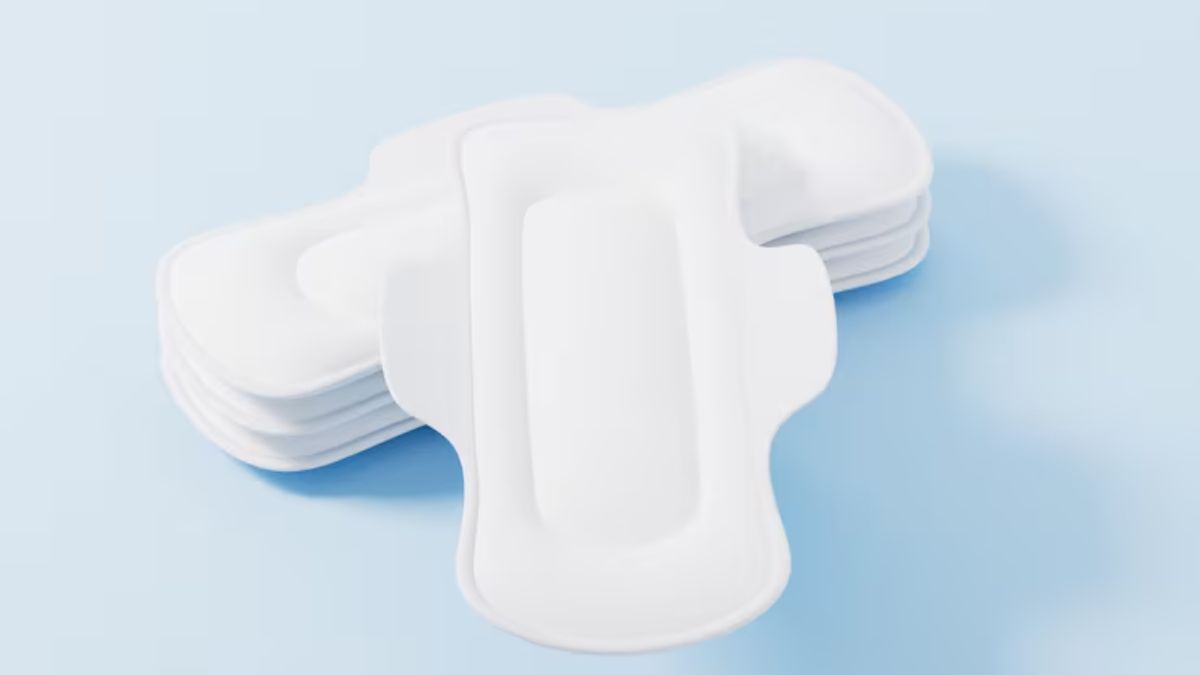
Health experts have urged women to pay greater attention to the top-sheet (upper layer) of sanitary pads, saying it plays a key role in maintaining intimate hygiene, preventing irritation and reducing the risk of infections during menstruation. While absorbency is often the main focus in sanitary pad products, doctors say the upper layer that comes in direct contact with intimate skin is equally important for comfort and safety. "Poor quality top-sheets with low breathability, harsh chemicals or excessive fragrances can cause itching, rashes, discomfort and prolonged moisture retention, particularly in hot and humid climates like India," said Dr Bhawani Shekhar, a gynaecologist at Sir Ganga Ram Hospital, Delhi.
Studies on menstrual hygiene and sanitary pad composition have shown that pad materials can directly affect skin health, comfort and vaginal hygiene, she stated.
Dr Richa Singhal, Senior Consultant, Obstetrics and Gynaecology at Cloudnine Group of Hospitals, said women should be careful while choosing menstrual hygiene products.
"The skin in the intimate area is highly sensitive, and prolonged exposure to dampness, harsh chemicals or poorly breathable materials can lead to irritation, itching and even infections. Women should choose sanitary pads that are soft, breathable and dermatologically safe, while also ensuring that pads are changed regularly during menstruation," she said.
Experts said many women experience "pad rashes" because of trapped moisture, friction and poor airflow. In this context, moringa is emerging as a promising natural ingredient in sanitary pad top-sheets due to its antimicrobial, anti-inflammatory and antioxidant properties.
Medical reports and expert commentary suggest that moringa-based top-sheets may help soothe sensitive skin, minimise odour and potentially lower the risk of bacterial or fungal infections during menstruation.
Dr Raman Kumar, Chairman of the Academy of Family Physicians of India, said menstrual health should be treated as an important public health issue rather than a taboo subject.
"Women and adolescents need access to accurate information about menstrual hygiene, safe product use and the importance of changing pads regularly," he said.
Experts also highlighted recent innovations in sanitary pad technology aimed at improving menstrual comfort and hygiene.
A 2024 study conducted by researchers from The Maharaja Sayajirao University of Baroda found that pH-responsive sanitary pads and improvements in surface and absorbent layers could help reduce wetness and support healthier menstrual hygiene practices.
Doctors and menstrual health advocates said greater awareness is needed, especially among adolescents and young women, about how prolonged use of inferior quality sanitary pads can affect intimate health and overall wellbeing.
(Except for the headline, this story has not been edited by NDTV staff and is published from a syndicated feed.)