

)
International Yoga Day is celebrated globally every year on June 21. It aims to raise awareness about the ancient Indian practice that can offer a wide range of health benefits. The theme for the 12th International Day of Yoga in 2026 is "Yoga for Healthy Ageing". This theme recognises yoga as a holistic approach to promoting physical, mental and emotional well-being, and to raising life expectancies globally. It shifts the focus from simply increasing lifespan to extending healthspan - the portion of life spent in good health and independence.
As Yoga Day is around the corner, AIIMS, Media In-charge and Professor, Dr Rima Dada has highlighted that yoga is not merely a form of exercise but a powerful science of holistic living.
Talking to Akashvani News, she stressed that yoga is a complete way of life that promotes healthy habits and mental discipline. "Research studies have shown that consistent yoga practice can lower biological ageing markers, improve cellular health, and enhance overall quality of life."
Dr Dada has also highlighted the benefits of yoga in addressing Polycystic Ovary Syndrome (PCOS), a lifestyle-related disorder that is increasingly affecting women across India. According to Akashvani News, Dr Dada has emphasised that scientific studies have proved that regular yoga practice helps regulate menstrual cycles, restore hormonal balance, improve insulin sensitivity, and support weight management. Additionally, "yoga, when combined with a balanced diet and regular physical activity, can significantly improve reproductive and metabolic health."
Benefits of practising yoga daily
Practising yoga daily offers a multitude of benefits that encompass physical, mental, and emotional well-being. Here are some of the key advantages:
Physical benefits
1. Regular yoga practice stretches and lengthens muscles, helping to increase flexibility over time. This can reduce the risk of injuries and improve overall physical performance.
2. Yoga involves various poses that require you to support your body weight in different ways, building strength in various muscle groups, particularly in the core, arms, legs, and back.
3. Many yoga poses promote alignment and help strengthen the muscles that support good posture. This can lead to reduced pain in the neck, back, and other areas associated with poor posture.
4. Balance poses in yoga can improve your stability, which is particularly beneficial for older adults, helping to prevent falls and injuries.
5. Regular practice of yoga can enhance circulation and heart health, often leading to lower blood pressure and a more efficient cardiovascular system.
6. Yoga is effective in alleviating various types of pain, including chronic lower back pain, headaches, and arthritis, through gentle movements and stretches.
Mental benefits
1. Yoga encourages relaxation and helps in reducing stress levels. The focus on breathing and mindfulness can lead to a calming effect on the mind.
2. The meditative aspect of yoga promotes mental clarity and concentration, helping practitioners focus better in their daily tasks.
3. Engaging in yoga can lead to improved emotional regulation, reducing feelings of anxiety and depression by promoting a sense of peace and connection.
4. Yoga teaches practitioners to be present in the moment, which can enhance overall mindfulness.
Emotional benefits
1. Yoga encourages introspection and self-discovery, helping individuals understand their thoughts, emotions, and physical sensations better.
2. Regular yoga practice is linked to increased feelings of happiness and well-being due to the release of endorphins and other neurochemicals that improve mood.
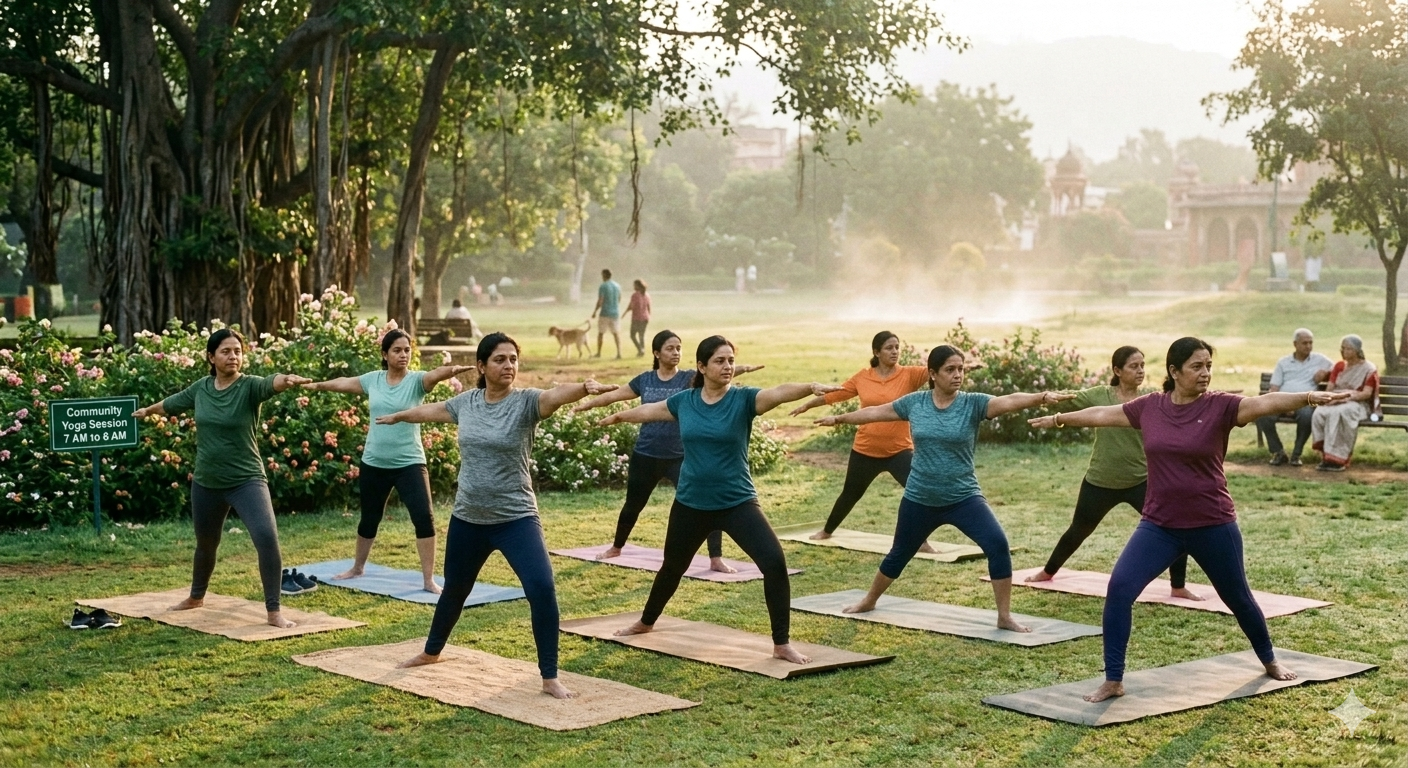
3. Practising yoga in a group setting fosters a sense of community and support, which can enhance social connections and provide emotional support.
4. Many find that regular yoga practice contributes to better sleep quality due to its relaxing effects and the promotion of a calmer state of mind.
Specific benefits for seniors
- Yoga helps seniors maintain mobility, flexibility, and balance, which can contribute to a more active and independent lifestyle as they age.
- Certain types of yoga, particularly those involving meditation and focus, may support cognitive function and help reduce the risks of neurodegenerative diseases.
- Gentle yoga can be particularly beneficial for seniors dealing with chronic ailments, helping to manage symptoms and improve overall quality of life.
Incorporating yoga into a daily routine can enhance overall health and well-being, catering to individuals of all ages. The holistic approach of yoga not only strengthens the body but also fosters mental clarity and emotional resilience, making it a valuable practice for healthier living.
Disclaimer: This content including advice provides generic information only. It is in no way a substitute for a qualified medical opinion. Always consult a specialist or your own doctor for more information. NDTV does not claim responsibility for this information.