

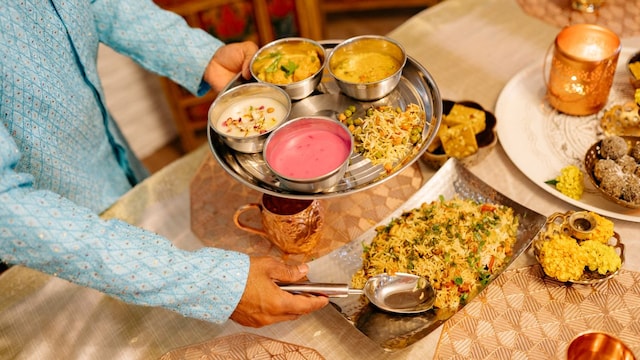
Festive eating often stretches across several days. Family gatherings, elaborate meals, sweets, fried snacks and late dinners become part of the celebrations. For someone with an existing metabolic condition, however, this period calls for greater attention to food choices and portion sizes. People living with diabetes, obesity, high cholesterol or insulin resistance already have an increased risk of developing fatty liver disease. Repeated episodes of overeating can add to the metabolic strain on the liver.
Fatty liver is the build-up of excess fat in liver cells. It often accompanies insulin resistance, when the body is unable to control its blood glucose and work properly with fats. Both of these functions are centered around the liver. When insulin resistance develops, more fatty acids reach the liver, while the organ also produces and stores more fat. Over time, this accumulation can lead to inflammation and liver damage in some individuals.
Why festive eating deserves attention
A typical festive meal can combine several sources of excess calories. Fried foods, sweets, refined carbohydrates, rich gravies and sugary beverages often appear together, making it easy to consume considerably more energy than the body requires. Frequent snacking between meals and irregular eating schedules add to the intake.
For a person with insulin resistance or type 2 diabetes, large portions of refined carbohydrates and sugary foods can cause sharp rises in blood glucose. The liver transforms excess energy into fat that builds up in liver cells. Foods high in saturated fat can also affect cholesterol levels and metabolic health.
You're not going to become a fatty liver with a celebratory meal overnight. The larger issue is repeated overeating, not exercising, and not mastering the metabolism over time. Festive periods can reinforce these habits, particularly when celebrations extend across several weeks.
Be cautious of alcohol intake. Your liver can overdose on alcohol, which damages the liver from regular consumption. Talk with your doctor about the safety of alcohol for you, especially if you have a metabolic disorder or fatty liver disease. The combination of metabolic dysfunction and alcohol exposure can increase the burden on the liver.
READ | Too Much Fried Food, Too Little Fibre. What Happens To Your Gut During Festivities?
The connection between diabetes, obesity and liver health
Fatty liver commonly coexists with type 2 diabetes, visceral obesity, hypertriglyceridemia, and hypertension. These diseases are associated with similar metabolic abnormalities, most notably insulin resistance.Having too much visceral fat (fat around the organs in the abdominal cavity) releases fatty acids and inflammatory substances that may further promote insulin resistance and liver fat accumulation.
They should watch Type 2 diabetics more carefully because they are at a higher risk of developing advanced liver disease. The fat can lead to a liver disease known as metabolic dysfunction-associated steatohepatitis, which damages the liver cells and induces inflammation. Inflammation can eventually cause scarring (fibrosis). Advanced fibrosis can progress to cirrhosis and increase the risk of liver complications.
Fatty liver often produces no obvious symptoms in its early stages. Some people experience fatigue or vague discomfort in the upper right abdomen, while many discover the condition during routine blood tests or an abdominal ultrasound. The absence of symptoms does not indicate that the liver is healthy. People with diabetes, obesity or multiple metabolic risk factors should discuss appropriate liver assessment with their doctor.
What should change during the festive season
People with existing metabolic risks can enjoy festive meals while keeping their overall eating patterns under control. Portion size is a useful place to begin. Smaller servings of sweets and fried foods, balanced with vegetables, pulses, whole grains and protein sources, help manage the overall calorie intake. Sugary drinks and frequent snacking can add substantial calories without providing much nutritional value.
It also matters when you eat. For example, if you skip breakfast or lunch and then eat a large size dinner, you may eat larger size portions and feel hungrier at the time you eat. Eating regularly will lead to regular meals.If you have diabetes and take medication, stick to your medication and meal schedule, particularly if your celebrations include late dinners or a change in routine.
Exercise regulates blood sugar and can help your liver. Meal walk, aerobics classes, and resistance trainings can help reduce insulin sensitivity. People with diabetes or other health conditions should choose an activity level suited to their medical status.
If you have fatty liver, losing weight is an important part of treatment. In fact, even modest, lifelong reductions in weight can reduce fat in the liver and affect metabolic parameters in the overweight. Attempting fad detoxes or crash diets to lose weight quickly could result in other health problems. A structured plan developed with a doctor or dietitian offers a more reliable approach.
READ | Your Mithai Box Has A Secret: Which Diwali Sweet Is Actually The Lesser Evil?
Monitoring liver health and seeking treatment
If you have been diagnosed with fatty liver, do not abandon medical follow-up over the holiday period. Doctors may test enzymes, glucose, lipids, and other markers of metabolism. Depending on the person's risks, they may advise ultrasound or other non-invasive tests for stiffness and fibrosis of the liver. Normal liver enzyme results alone cannot rule out significant liver disease.
Treatment focuses on the underlying metabolic problem. This can include diet, exercise, weight loss, and treatment of diabetes, cholesterol, and other related conditions. Patients should review their treatment with their doctor rather than changing medication or relying on supplements marketed for liver cleansing.
The liver has a considerable capacity to recover, particularly when fat accumulation is identified early and metabolic risk factors are addressed. Festive celebrations can remain part of everyday life, but people with diabetes, obesity or fatty liver disease need consistency in their food choices, activity and medical care. The effect on liver health comes from the habits that continue well beyond the celebrations.
(By Dr. Ashish Gautam, Principal Director, Robotic and Laparoscopic Surgery, Max Super Speciality Hospital, Patparganj, New Delhi)
Disclaimer: The opinions expressed within this article are the personal opinions of the author. NDTV is not responsible for the accuracy, completeness, suitability, or validity of any information on this article. All information is provided on an as-is basis. The information, facts or opinions appearing in the article do not reflect the views of NDTV and NDTV does not assume any responsibility or liability for the same.