

)
For decades, people using basal insulin have accepted daily injections as part of life with diabetes. The idea that the same background insulin requirement could potentially be managed with one injection a week naturally sparks curiosity and, for some, hope.
But the answer isn't as simple as saying everyone should switch.
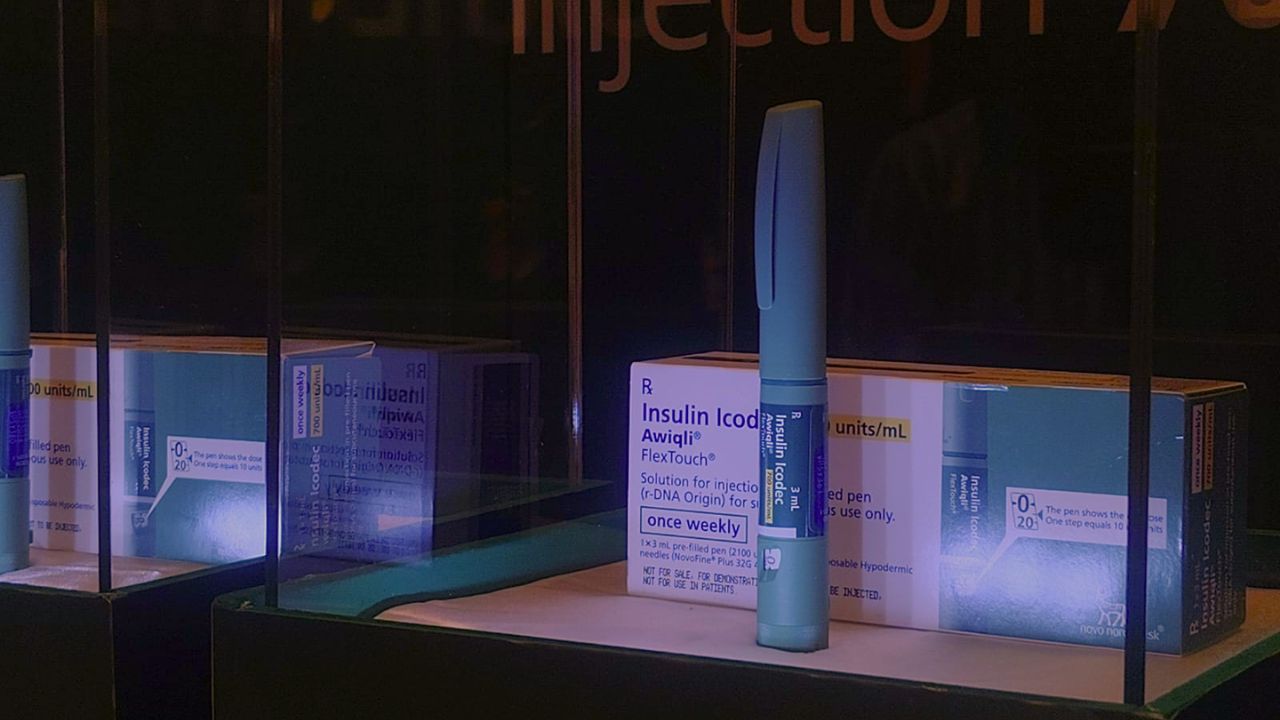
The first thing to understand is that the newly-launched once-weekly basal insulin, Awiqli (insulin icodec by Novo Nordisk) is another therapeutic option that may suit certain individuals better than others. Like every treatment decision in diabetes, the choice should be guided by a person's medical needs, lifestyle and preferences.
For someone whose diabetes is well controlled on daily basal insulin, the most important question is not "Can I switch?" but "Will switching make my treatment easier to live with?"
Living with diabetes is about much more than achieving a target HbA1c. It is also about how manageable treatment feels every day. Daily injections may become routine for some people, while for others they remain a constant reminder of their condition. Shift work, travel, busy schedules and simple injection fatigue can all make daily adherence difficult, even in patients who are otherwise motivated to take care of their health.
In fact, studies have consistently shown that many people delay starting insulin because of concerns around daily injections, while others struggle to remain consistent after treatment begins. Reducing the frequency of injections from 365 per year to just 52 can ease some of that treatment burden without compromising the role of basal insulin in diabetes management.
Patients still need to monitor their blood glucose, follow dietary recommendations, stay physically active and attend regular follow-up appointments. Those living with Type 1 diabetes will continue to require mealtime insulin, as a once-weekly basal insulin replaces only the background insulin component of therapy.
Another common concern is whether taking insulin only once a week compromises effectiveness. Current clinical evidence is reassuring. Validated by the ONWARDS programme (>4,000 participants), it is effective and safer than daily glargine U100, achieving greater HbA1c reductions (-0.19%) and Time-In-Range (61 minutes), with more patients with type 2 diabetes achieving HbA1c <7% without hypoglycaemia. As with all insulin therapies, hypoglycaemia remains the most important side effect to monitor, making appropriate patient selection and dose adjustment essential.
So, who might benefit most from switching?
Patients who find daily injections burdensome, frequently miss doses because of demanding schedules, travel often, or simply value the convenience of fewer injections may find a weekly regimen that aligns better with their lives. For others who are comfortable with their existing routine and achieving excellent glycaemic control, there may be no compelling reason to change. Diabetes care has always been about individualisation, and this is no exception.
A regimen that fits comfortably into a person's daily life is often one that is followed more consistently, and consistency remains one of the strongest predictors of long-term diabetes outcomes.
A discussion with your treating physician can help weigh your current diabetes control, lifestyle, treatment goals and personal preferences before deciding whether a switch is appropriate. The best insulin regimen is not necessarily the newest one; it is the one that helps you stay healthy while fitting into the life you want to lead.
(By Dr. Rajesh Rajput, Director, Endocrinology & Diabetes, Medanta Hospital)
Disclaimer: The opinions expressed within this article are the personal opinions of the author. NDTV is not responsible for the accuracy, completeness, suitability, or validity of any information on this article. All information is provided on an as-is basis. The information, facts or opinions appearing in the article do not reflect the views of NDTV and NDTV does not assume any responsibility or liability for the same.