

)
The death of a laboratory worker in Siberia has renewed concerns over international health transparency, pathogen-sharing and pandemic preparedness, highlighting lessons the world must not forget from Covid-19. On October 2, 2026, a 28-year-old employee of Russia's Irkutsk Antiplague Research Institute died following severe pneumonia. Although initial reports raised suspicions of pneumonic plague, Russian authorities told the World Health Organization (WHO) that tests had not identified plague or other tested high-threat pathogens. No linked cases have been reported, but the cause of death remains unconfirmed. The WHO says further information is needed to assess the event fully. The incident underscores the importance of timely, reliable information-sharing when a potentially serious health threat emerges. While there is currently no evidence of ongoing transmission linked to the case, the absence of a confirmed diagnosis leaves important questions unanswered.
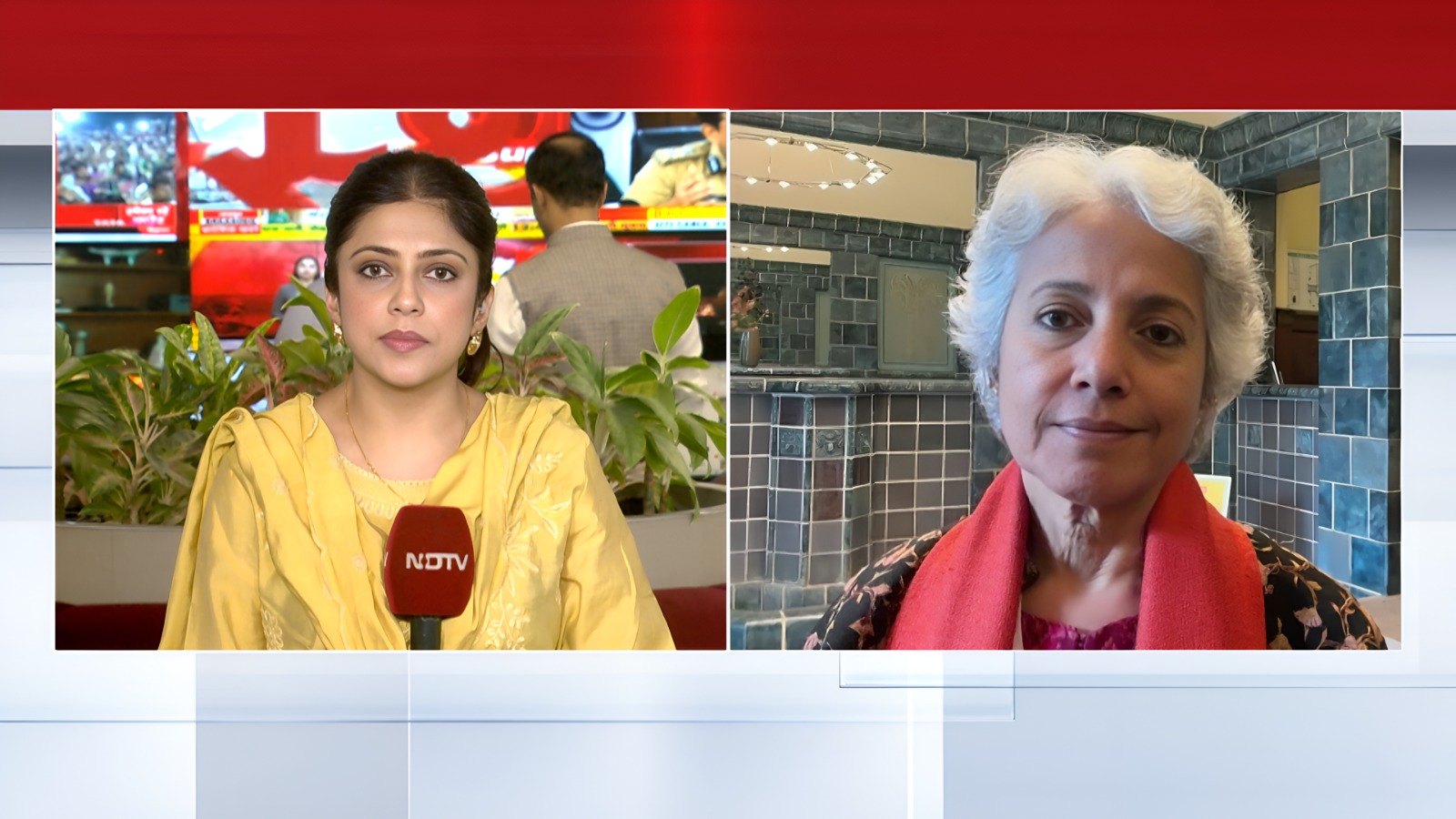
Former WHO Chief Scientist Dr Soumya Swaminathan has stressed that international solidarity must translate into practical cooperation, including transparent data-sharing and equitable access to medical innovations. "We do not want to find ourselves in a situation where the world is caught unprepared again," her warning captures the central lesson of Covid-19: early information-sharing helps countries prepare and respond before a threat escalates.
Dr Swaminathan has also voiced concerns about the lack of commitment towards fulfilling obligations when it comes to the WHO Pandemic Agreement's Pathogen Access and Benefit-Sharing (PABS) annex. The framework aims to ensure rapid sharing of pathogens with pandemic potential and genetic-sequence information, while providing fair access to benefits such as vaccines, diagnostics and treatments.
READ | Exclusive: Measles Is Back Because We Failed To Vaccinate, Says Dr Soumya Swaminathan
In July 2026, WHO reported progress in negotiations but said further discussions were needed on contractual arrangements, laboratory networks and benefit-sharing. The annex remains unfinished. The challenge is to build a system countries trust, one that encourages scientific openness while ensuring that the benefits of medical research are shared equitably.
" It is disappointing that, after everything the world experienced during the pandemic, countries have still struggled to reach agreement on the pandemic accord, particularly its Pathogen Access and Benefit-Sharing (PABS) annex."
The Siberian case does not establish a plague outbreak or prove that information was deliberately withheld. It does, however, demonstrate why transparent reporting, credible laboratory evidence and international cooperation matter. The WHO for the time being has expressed concern about uncertainty regarding the death of the lab worker.
Disclaimer: This content including advice provides generic information only. It is in no way a substitute for a qualified medical opinion. Always consult a specialist or your own doctor for more information. NDTV does not claim responsibility for this information.