

)
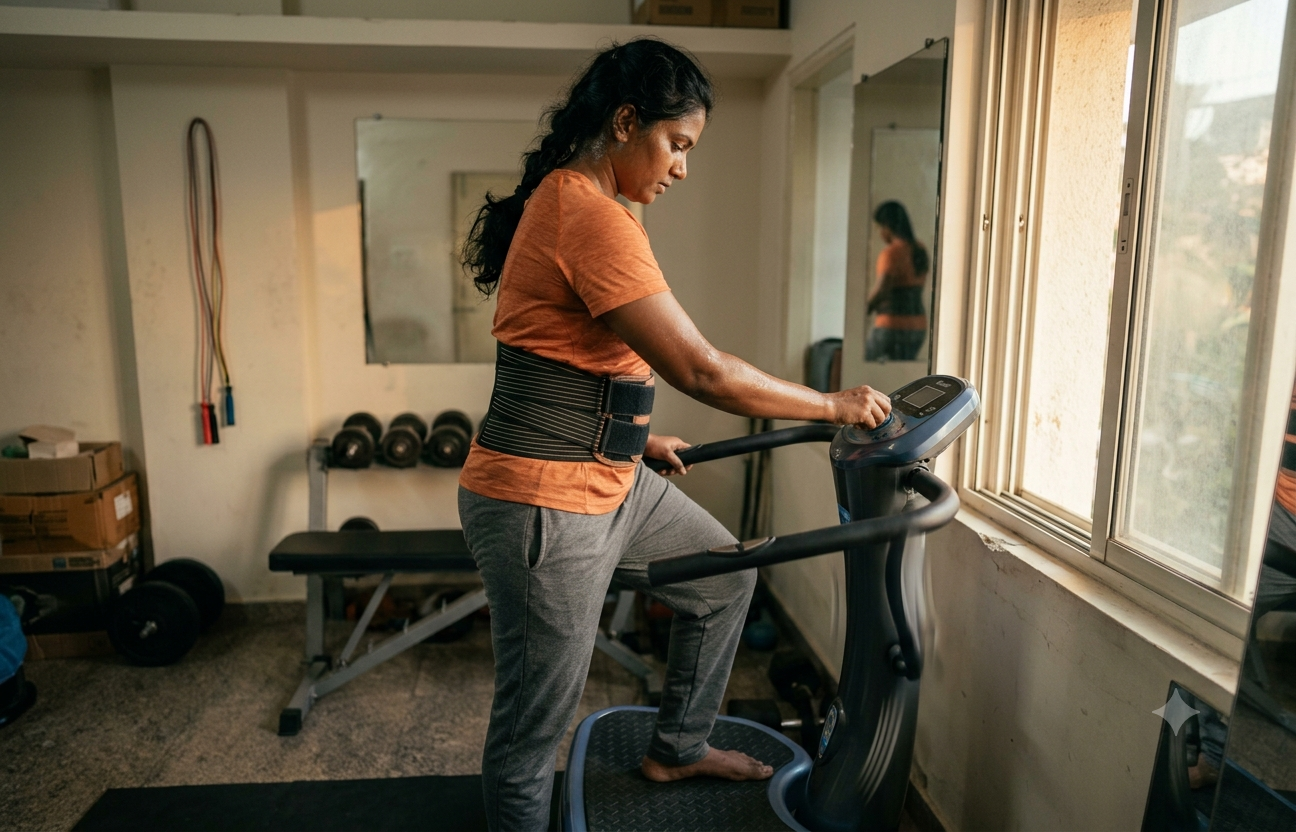
Late-night infomercials and social media algorithms are saturated with the same tempting promise: strap on a vibrating belt, place an electronic pad over your midsection, or step onto an oscillating platform for 15 minutes, and watch stubborn belly fat melt away without breaking a sweat. These "belly fat burner machines", ranging from Electrical Muscle Stimulation (EMS) belts to sauna belts and whole-body vibration plates, generate millions in sales by tapping into our collective desire for a quick fix. But when you strip away the sleek marketing, high-powered LED readouts, and dramatic transformation photos, do these gadgets actually trigger fat loss? Or are they simply an expensive illusion?
Let's look past the commercial claims and analyse what peer-reviewed human biology and clinical trials actually say.
The Biological Flaw: Spot Reduction Is A Myth
Before evaluating the gadgets themselves, we must address the fundamental biological concept that dooms most "belly burner" claims: spot reduction. When your body burns fat for fuel, it does not draw exclusively from the area of the body being targeted or stimulated. Adipose tissue (fat) stores energy as triglycerides. To utilise this stored energy, your endocrine system releases hormones like adrenaline and noradrenaline into the bloodstream. These hormones interact with fat cells throughout your entire body, breaking down triglycerides into free fatty acids and glycerol to be burnt by your muscles and organs.
No waist belt or localised vibration device can force your body to preferentially pull triglycerides specifically from your abdominal subcutaneous or visceral fat layers. Fat loss is systemic, dictated by a calorie deficit, not localised stimulation.
What the Peer-Reviewed Science Says
Clinical trials evaluating various consumer-grade and clinical fat-burning devices show a consistent pattern of limited to non-existent fat-loss efficacy:
1. Electrical Muscle Stimulation (EMS) Belts
EMS devices send electrical impulses through the skin to involuntarily contract underlying abdominal muscles. While they can alter local muscle tone, their effect on fat tissue is essentially zero.
A clinical trial published in Lasers in Surgery and Medicine Journal evaluated adipose tissue responses to electromagnetic muscle stimulation. Histological analysis revealed that EMS treatment caused no fat cell injury, no inflammatory response, and no reduction in subcutaneous fat cells. All targeted fat cells remained completely viable.
2. Whole-Body Vibration (WBV) Plates
Oscillating platforms claim that rapid muscle micro-contractions boost calorie expenditure enough to trigger weight loss.
A comprehensive systematic review and meta-analysis published in PMC Medicine analysed the efficacy of WBV therapy on fat reduction. The researchers found that while long-term vibration therapy showed a minor, statistically tiny reduction in overall fat mass (under 0.7 kg), the effect on body fat percentage was clinically insignificant. Without dietary changes, vibration alone failed to produce meaningful abdominal fat reduction.
3. Infrared And Sweat-Inducing "Sauna" Belts
These devices heat the waist area, causing localised sweating. While you might notice a temporary drop on the scale or a slightly tighter waist immediately after use, this is strictly temporary fluid loss. As soon as you rehydrate, the water weight returns completely. Sweat does not equal fat oxidation.
Expert Input: The Medical Perspective
To understand why consumers continue to fall for these gadgets despite the lack of evidence, NDTV Health spoke with Dr Ananya Sharma, Senior Consultant in Endocrinology and Metabolic Health who says, "People frequently confuse muscle contraction with energy expenditure," explains Dr Sharma. "An EMS belt forces your rectus abdominis to contract, which might make the muscle feel tighter or slightly sore the next day. But because the overall metabolic demand of passive contractions is incredibly low, the actual calorie burn is negligible-often less than a few calories per session."
Dr Sharma emphasises that passive gadgets can create a dangerous psychological trap:
"The biggest risk with belly burner machines is the 'licensing effect.' People believe the device is actively burning fat, so they subconsciously slack off on their diet or skip genuine cardiovascular workouts. Visceral belly fat-the deep fat surrounding your internal organs-is metabolically active and responds exclusively to caloric deficits, systemic aerobic exercise, and stress management. There is no passive gadget on earth that can bypass basic thermodynamics."
What Actually Works For Abdominal Fat Loss?
If you are looking to lose belly fat safely and permanently, ditch the electronic belts and prioritise these proven, science-backed strategies:
- Sustained Energy Deficit: A modest caloric deficit (300-500 calories below maintenance) forces your liver and muscle cells to mobilise stored body fat.
- Compound Resistance Training: Exercises like squats, deadlifts, and overhead presses recruit large muscle groups, burning significantly more calories and elevating post-exercise metabolic rate far more than localised abdominal twitches.
- High-Protein and Fibre Diets: Protein increases satiety and preserves lean muscle mass, while soluble fibre reduces visceral fat accumulation over time.
- Stress and Sleep Management: Chronic elevation of the stress hormone cortisol signals the body to store deep visceral fat in the abdominal region. Prioritise 7-8 hours of quality sleep nightly.
Belly fat burner machines offer an illusion of hard work without the actual physiological cost. Save your money, skip the gadgets, and focus on the time-tested fundamentals of movement, real food, and consistency.
Also Read: 10 Health Hacks To Effectively Lower Body Fat Percentage
Disclaimer: This content including advice provides generic information only. It is in no way a substitute for a qualified medical opinion. Always consult a specialist or your own doctor for more information. NDTV does not claim responsibility for this information.