





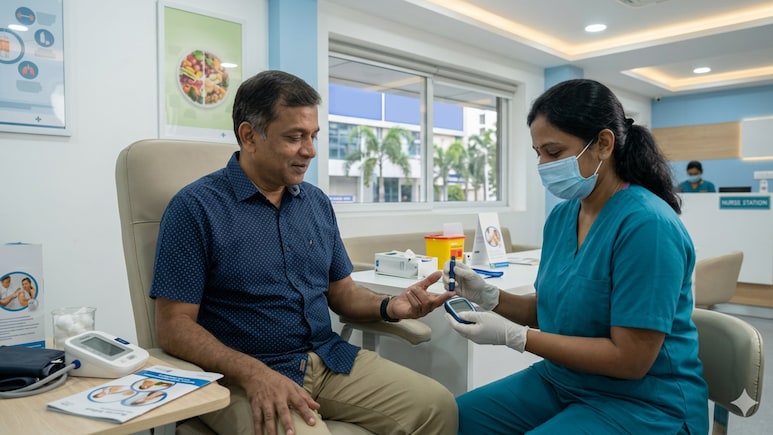
- One in four Indian adults with type 2 diabetes has liver fibrosis, study finds
- Diabetes causes fat buildup in the liver due to insulin resistance
- Fibrosis screening should be integrated into diabetes care programs
Diabetes, when left uncontrolled, can increase the risk of various complications. It is also one of the key risk factors for Metabolically Dysregulated-Associated Steatotic Liver Disease (MASLD), formerly called non-alcoholic fatty liver disease (NAFLD). Diabetes and liver disease are interconnected, primarily due to metabolic abnormalities that affect both conditions. Insulin resistance creates a vicious cycle where each condition worsens the other. In people with type 2 diabetes, the body cannot effectively use insulin, leading to high blood sugar levels. This excess sugar is converted into fat and stored in the liver, a condition known as steatosis.
A recent study has revealed that one in four adults with type-2 diabetes in India also suffers from liver fibrosis, and one in twenty already has probable cirrhosis. The DiaFib-Liver Study, published in The Lancet Regional Health Southeast Asia journal, highlights that fibrosis, rather than steatosis, should be the primary focus of systematic assessment in diabetes care.
Additionally, there's an urgent need to integrate fibrosis screening into diabetes management programs.
What are the causes of fatty liver disease in people with diabetes?
Diabetes triggers liver disease through several interconnected biological mechanisms:
1. Fat accumulation
People with Type 2 diabetes often exhibit insulin resistance, causing fat cells to release free fatty acids into the bloodstream, which then accumulate in the liver.
2. Oxidative stress and inflammation
Excess fat in liver cells leads to the production of free radicals and oxidative stress, which damages liver cells and triggers an inflammatory response.
3. Progression to MASH
Persistent inflammation and cell injury lead to Metabolic Dysfunction-Associated Steatohepatitis (MASH), a more severe form of liver disease where the liver begins to swell and sustain permanent damage.
4. Fibrosis and cirrhosis
In response to chronic injury, the liver attempts to heal itself by forming scar tissue (fibrosis). Over time, extensive scarring can lead to cirrhosis, where the liver becomes severely scarred and loses its ability to function.
5. Increased cancer risk
Long-standing inflammation and cirrhosis significantly increase the risk of developing hepatocellular carcinoma (liver cancer).
6. Metabolic syndrome
Diabetes is often a component of metabolic syndrome, which includes a cluster of conditions such as obesity, hypertension, and dyslipidemia (abnormal lipid levels). These factors collectively increase the risk of liver disease.
How to prevent liver damage in diabetic patients
- Regular monitoring
Individuals with diabetes should have their liver function tests performed regularly. Monitoring enzymes like ALT and AST can help detect early liver dysfunction.
- Weight management
Maintaining a healthy weight is crucial. Even a modest weight loss of 5-10% can significantly improve liver health.
Eat right
An emphasis on a balanced diet rich in fruits, vegetables, whole grains, lean proteins, and healthy fats can mitigate liver damage. Avoiding high-fructose corn syrup and saturated fats can also be beneficial.
- Regular exercise
Engaging in regular physical activity helps manage weight and improve insulin sensitivity, which can significantly reduce the risk of liver disease. Aim for at least 150 minutes of moderate-intensity exercise each week.
- Blood sugar control
Tight control of blood glucose levels through diet, exercise, and medication can help limit the risk of liver damage. Using medications that specifically target insulin resistance may also benefit liver health.
- Avoiding alcohol
Alcohol can exacerbate liver damage, so those with diabetes or existing liver disease should limit or avoid alcohol consumption entirely.
- Vaccinations
Patients with liver disease should be vaccinated against hepatitis A and B, as these infections can further compromise liver function.
- Managing other health conditions
Controlling blood pressure, cholesterol levels, and preventing other conditions associated with metabolic syndrome can help protect the liver.
These proactive measures can help individuals with diabetes significantly reduce the risk of developing liver disease and secondary complications.
Disclaimer: This content including advice provides generic information only. It is in no way a substitute for a qualified medical opinion. Always consult a specialist or your own doctor for more information. NDTV does not claim responsibility for this information.
Track Latest News Live on NDTV.com and get news updates from India and around the world

