- Heatwaves strain the body, causing dehydration, fatigue, and impaired concentration
- Short 15-25 minute naps may improve alertness and reduce heat-related mental exhaustion
- Naps should be taken in cool, ventilated areas to avoid worsening sleepiness or discomfort
As heatwaves become more frequent and intense across India and other parts of the world, doctors are increasingly warning about their impact not only on physical health but also on sleep, mental performance, and daily functioning. Prolonged exposure to extreme heat can strain the body's cooling systems, increase dehydration risk, worsen fatigue, and affect concentration levels, especially for outdoor workers, commuters, older adults, and people living in poorly ventilated environments.
Amid these rising temperatures, experts say short daytime naps may offer a simple but useful recovery strategy. According to Dr. Suchismitha Rajamanya, Lead Consultant and Head of Department, Internal Medicine at Aster Whitefield Hospital, Bengaluru, "Short power naps, like 15 to 25 minutes, might help restore alertness, ease stress-related hormone levels, and sharpen cognitive performance especially for people who work outside for hours in prolonged heat."
The advice comes at a time when climate-health research increasingly links heatwaves with sleep disruption, mood changes, mental exhaustion, and reduced productivity. While naps cannot replace hydration or proper rest, specialists say they may help reduce the physical and cognitive burden created by extreme summer conditions.
How Heatwaves Affect The Body And Brain
The human body constantly works to maintain a stable internal temperature. During heatwaves, this process becomes much harder, especially when humidity levels are high or nighttime temperatures remain elevated.
According to the World Health Organization (WHO), prolonged heat exposure can contribute to dehydration, heat exhaustion, heatstroke, cardiovascular strain, and worsening of existing medical conditions. Extreme heat also affects sleep quality because the body struggles to cool itself sufficiently at night.
Research published by the National Institutes of Health (NIH) has shown that higher nighttime temperatures are associated with shorter sleep duration, fragmented sleep, and poorer sleep quality. Sleep deprivation, in turn, affects concentration, reaction time, mood, and cognitive performance.
Dr. Rajamanya explains that "extreme heat doesn't only stress the body in a physical way, it also messes with sleep quality, mood, and concentration." When people lose sleep due to uncomfortable temperatures, daytime fatigue often worsens.
Also Read: How To Handle Heatwave-Related Health Emergencies? A Doctor Explains
Can Short Naps Actually Help?
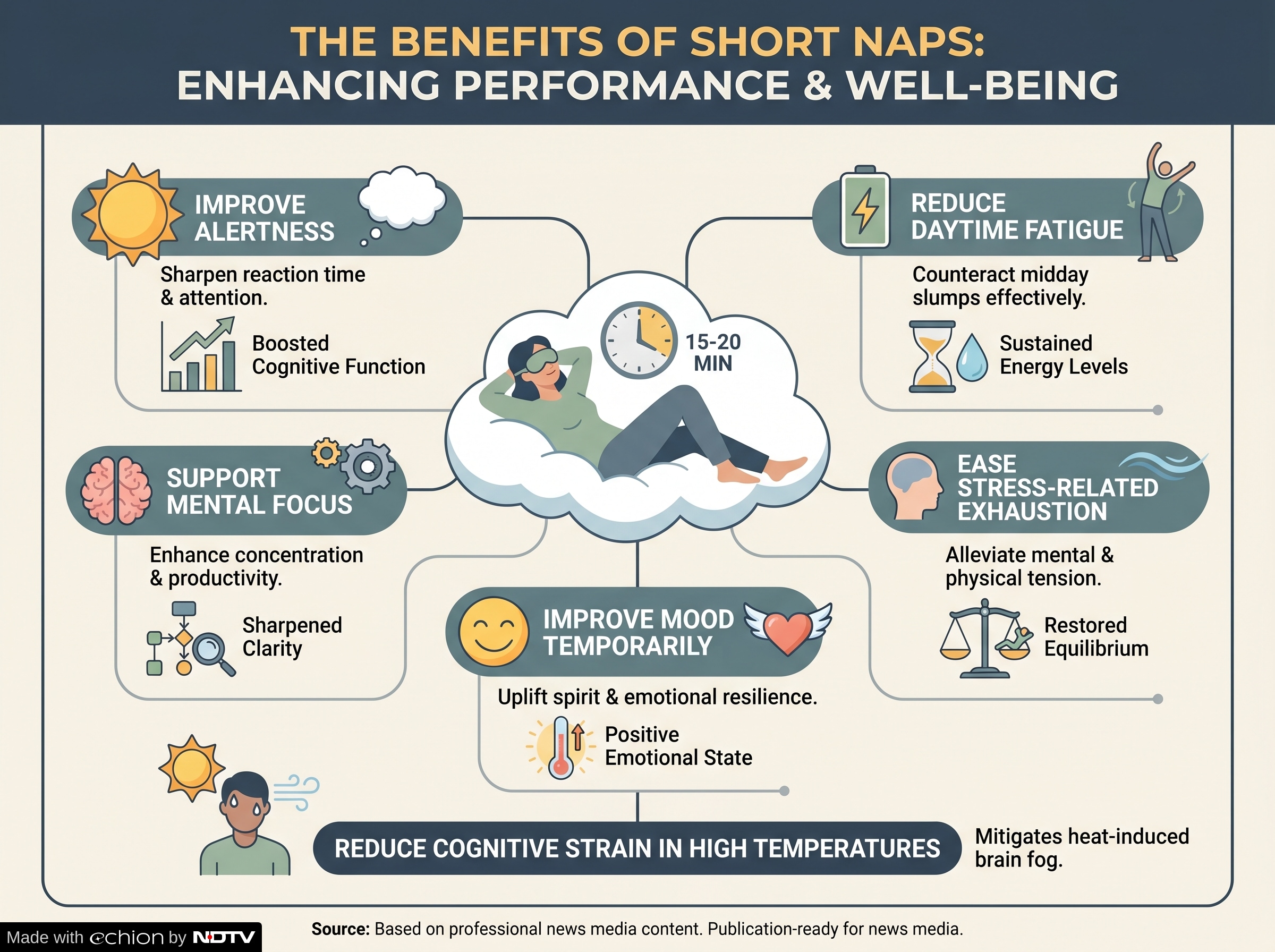
Experts say controlled daytime naps may partially offset heat-related fatigue and mental exhaustion. Short naps, often called "power naps", usually last between 10 and 30 minutes. According to the US Centers for Disease Control and Prevention (CDC), brief naps can improve alertness, learning, mood, and performance without causing excessive grogginess.
Dr. Rajamanya notes that "a planned nap can therefore function as a preventive health approach, not just a 'comfort' routine." This may be especially important during heatwaves because fatigue-related errors and dizziness often rise during the hottest afternoon hours. Research conducted after recurrent South Asian heatwaves has linked extreme heat exposure to reduced work productivity, impaired concentration, and increased occupational injury risks.
Short naps may help:
- Improve alertness
- Reduce daytime fatigue
- Support mental focus
- Ease stress-related exhaustion
- Improve mood temporarily
- Reduce cognitive strain during high temperatures
Why Timing And Environment Matter
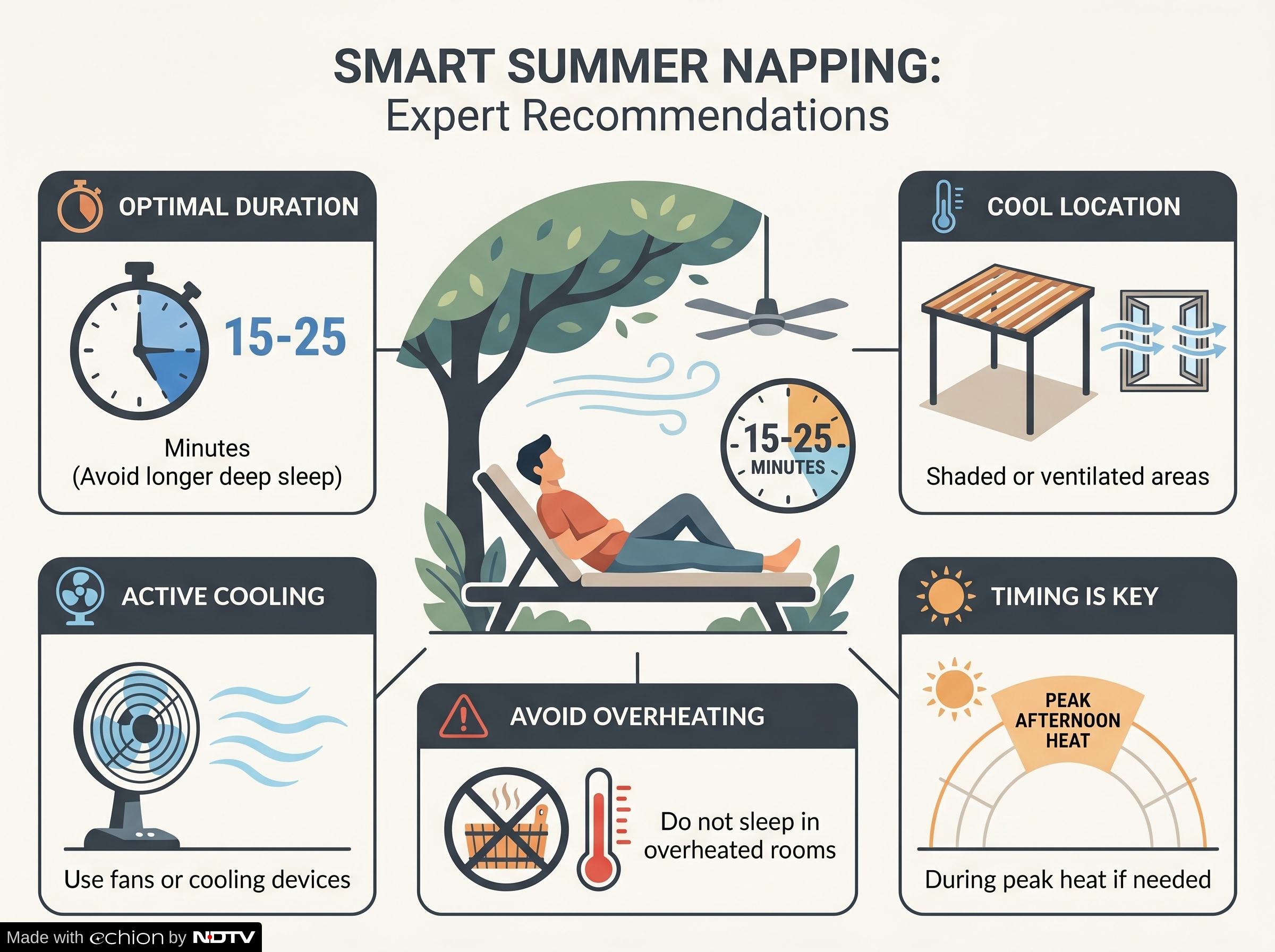
Doctors caution that naps during heatwaves should be brief and taken in cool or well-ventilated spaces. "If someone takes a longer nap in a stuffy, poorly ventilated room it can make the sleepy haze worse and add discomfort," says Dr. Rajamanya.
Experts recommend:
- Limiting naps to around 15-25 minutes
- Napping in shaded or ventilated areas
- Using fans or cooling devices if possible
- Avoiding sleeping in overheated rooms
- Taking naps during peak afternoon heat if needed
Longer naps may increase sleep inertia, the groggy feeling that occurs after waking, particularly when the body is already overheated or dehydrated. The Sleep Foundation also notes that shorter naps are generally more refreshing and less likely to interfere with nighttime sleep.
Who Benefits Most From Power Naps During Heatwaves?
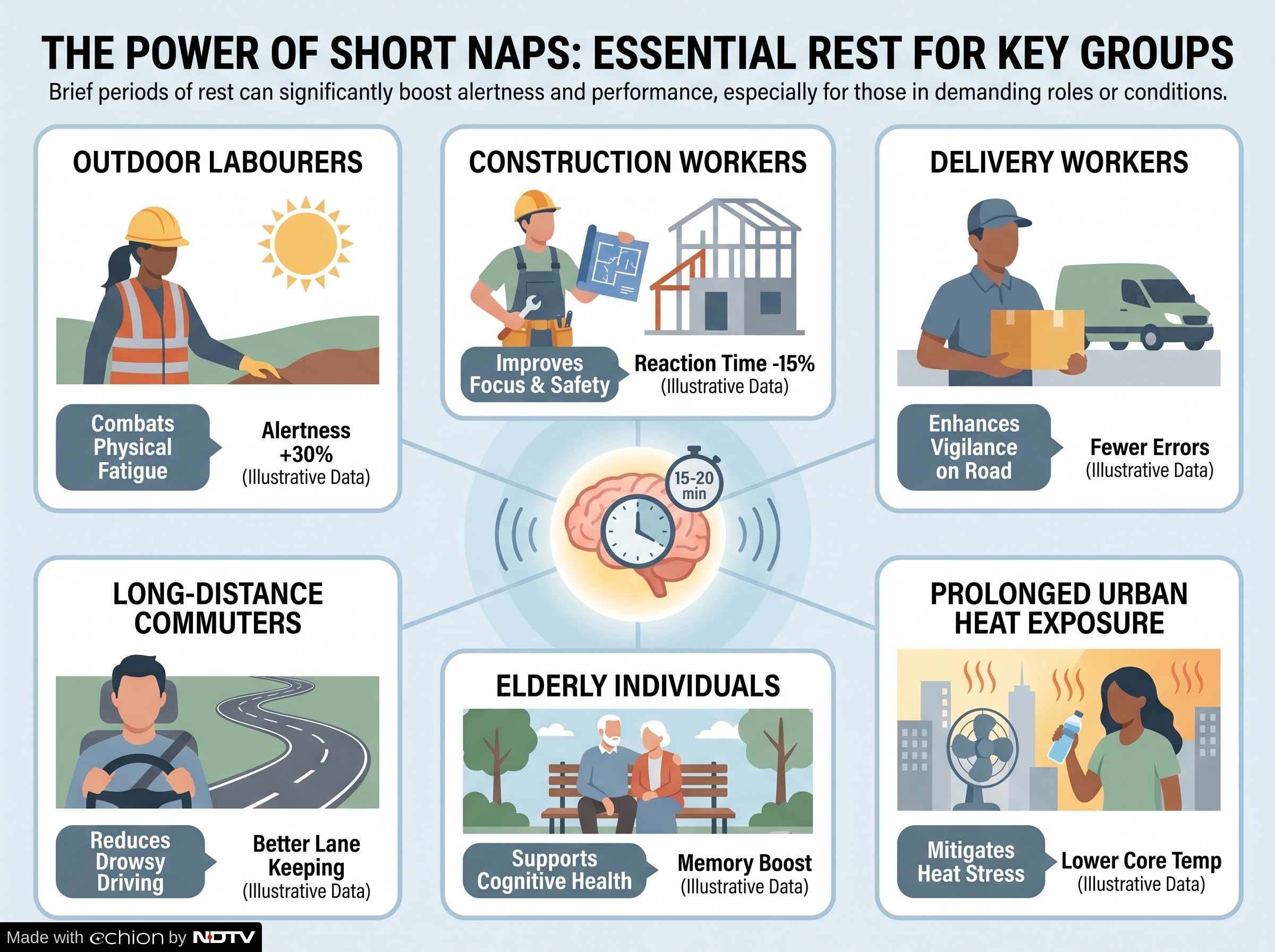
Certain groups may be particularly vulnerable to heat-related fatigue and cognitive exhaustion. Dr. Rajamanya says short naps can be especially useful for:
- Outdoor labourers
- Delivery workers
- Construction workers
- Elderly individuals
- Long-distance commuters
- People exposed to prolonged urban heat
The elderly are especially at risk because aging reduces the body's ability to regulate temperature efficiently. According to WHO data, heatwaves disproportionately affect older adults, people with chronic illnesses, and economically vulnerable populations. Urban environments may worsen the problem through the "urban heat island" effect, where concrete surfaces and limited greenery trap heat and keep cities warmer for longer periods.
Naps Are Helpful, But Not A Substitute For Hydration
While naps may support recovery, doctors stress they are only one part of heatwave protection. "Heat-related exhaustion is mostly about fluid imbalance and being stuck in the heat for too long," Dr. Rajamanya explains. "Naps do help the brain reset for a bit, but the body still really needs water, plus some cooling measures and solid nutrition."
The WHO and India Meteorological Department recommend several essential heatwave precautions:
- Drink water regularly, even before feeling thirsty
- Avoid direct sun exposure during peak afternoon hours
- Wear lightweight clothing
- Use oral rehydration solutions when needed
- Eat water-rich foods
- Avoid excessive alcohol and caffeine
- Seek shaded or cooled environments
Experts also emphasise the importance of uninterrupted nighttime sleep, as poor sleep can compound heat-related fatigue over several days.
Also Read: Indoor Heatwave Safety: 7 Expert-Backed Ways To Keep Your Home Cool This Summer
As rising global temperatures increasingly affect daily life, doctors are exploring practical ways to reduce the physical and mental strain caused by heatwaves. Short daytime naps may offer a simple recovery tool that helps improve alertness, concentration, and resilience during periods of extreme heat, especially for people exposed to prolonged outdoor conditions.
However, experts stress that naps should complement, not replace, proper hydration, nutrition, cooling measures, and adequate nighttime rest. As Dr. Suchismitha Rajamanya notes, managing heat-related exhaustion requires a combination of recovery strategies that support both the body and the brain during increasingly challenging summer conditions.
Disclaimer: This content including advice provides generic information only. It is in no way a substitute for a qualified medical opinion. Always consult a specialist or your own doctor for more information. NDTV does not claim responsibility for this information.