

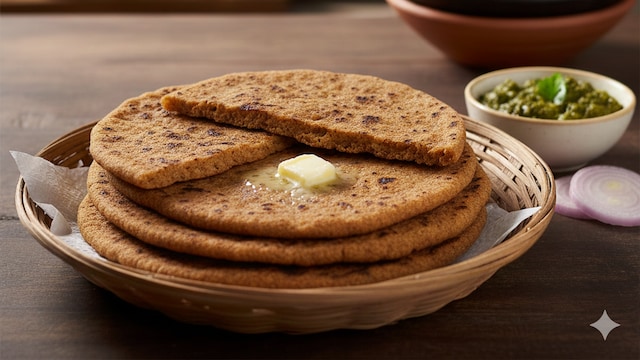
The year 2023 was celebrated as the International Year of Millets, and since then, the idea of incorporating traditionally grown Indian millets like jowar, bajra, kodo, etc for healthier diets has emerged strongly and turned quite popular too. Many pursue complex diets to lose weight, but traditional Indian foods like bajra (pearl millet) offer a simpler, sustainable solution. It is widely eaten in states like Rajasthan, Gujarat, and Maharashtra. Pearl millet is now valued for its potential role in weight loss, supported by both tradition and modern research. But can incorporating bajra roti daily actually aid in effective weight management? To understand pearl millet's role in weight loss, one must first appreciate its exceptional nutritional profile compared to more commonly consumed grains like refined wheat (maida).
Speaking to NDTV, Dr Kruti S. Dhirwani, a homeopathy physician, clinical nutritionist and an expert in Indian millets based out of Mumbai, has conveyed how and when people of different body types can benefit from eating bajra roti daily. Additionally, she has also discussed the exact timing and how to introduce it into the diet.
How Bajra Roti Helps In Weight Loss
High Fibre Content
The single most significant factor driving pearl millet's weight loss potential is its high dietary fibre content. Pearl millet contains approximately 15% more fibre than the average wheat grain. This fibre is largely insoluble, which means it absorbs water and expands in the stomach. This mechanical process sends signals of fullness to the brain, which is crucial for reducing overall calorie intake. By making one feel satisfied for a longer duration, a bajra roti at lunch can significantly curb mid-afternoon cravings.
Complex Carbohydrates For Sustained Energy
Unlike refined foods that cause rapid spikes and crashes in blood sugar, the carbohydrates in pearl millet are complex. These are digested slowly, providing a steady stream of energy. This stable energy release prevents the hormonal fluctuations that often trigger hunger pangs and emotional eating, making it easier to maintain a calorie deficit.
The Metabolic Edge
Pearl millet does not just fill the stomach; it also actively participates in key metabolic processes that are essential for shedding weight. Dr Dhirwani has conveyed that the key lies in how and when pearl millet is consumed. From a metabolic and hormonal perspective, the body handles carbohydrates better earlier in the day. Insulin sensitivity and digestive capacity are higher during the morning and afternoon. Therefore, bajra roti is best consumed at breakfast or lunch, rather than late at night. Eating large portions of starchy foods at dinner may lead to higher blood sugar levels and reduced fat burning during sleep.
High In Protein
Protein is a vital component of any weight loss diet because it requires more energy to digest than fats or carbohydrates. This is a phenomenon known as the thermic effect of food, which means that pearl millet is a good source of plant-based protein. Increasing the protein intake with foods like bajra roti slightly raises the metabolic rate, encouraging the body to burn more calories even while at rest.
Magnesium And Weight Management
Pearl millet is rich in essential micronutrients, particularly magnesium. Magnesium plays a critical role in insulin regulation and glucose metabolism. Studies, including those conducted by Indian research institutes, have indicated a strong link between adequate magnesium intake and reduced risk of insulin resistance, a condition often associated with weight gain and difficulty losing fat, particularly around the abdomen.
Scientific Validation And Traditional Use
The widespread adoption of pearl millet in Indian villages was not a random choice; it was driven by decades of experiential wisdom. Research from institutes focusing on millet research in India has confirmed that pear millet has a significantly lower Glycaemic Index (GI) than refined wheat or rice. Low-GI foods are preferable for weight loss, as they slow down the release of glucose into the bloodstream, thereby managing hunger and helping to control type 2 diabetes, a major health concern in the country.
Ayurveda And The Warming Property
In traditional Ayurvedic medicine, pearl millet is known as a "warming" grain. This property is believed to help stimulate the internal digestive fire, improving overall digestion and metabolism. While modern science refers to this as increased thermogenesis, the end result is the same: a more efficient metabolic system. For people living in cold or moderate climates across Northern India, a daily pearl millet roti is considered a natural way to boost internal energy.
Bajra For Controlling Blood Sugar Levels
Dr Dhirwani has said that from both a clinical and nutritional perspective, pearl millet can play a valuable role in improving blood glucose control in people with diabetes when eaten regularly and as part of a balanced, well-planned diet. Unlike refined cereals, pearl millet contains complex carbohydrates and a high amount of dietary fibre, which slow down digestion and the absorption of glucose into the bloodstream.
This results in a lower and more gradual rise in blood sugar levels after meals. Pearl millet has a relatively low to moderate glycaemic index, making it a safer grain choice for people with diabetes when compared to refined wheat or rice. In clinical practice, regular inclusion of pearl millet in controlled portions has shown meaningful improvements in blood sugar trends over time.
Many individuals experience better post-meal glucose control, and with consistent dietary discipline, some also show improvement in long-term markers such as HbA1c. Bajra supports type 2 diabetes management through several mechanisms. These function as follows:
- It's a good source of magnesium, which improves insulin sensitivity. The grain contains tannins and phytates, bioactive compounds that slow down starch breakdown by digestive enzymes like alpha-amylase, thereby reducing rapid post-meal glucose release and sharp sugar spikes.
- Additionally, pearl millet has antioxidants that protect pancreatic cells from oxidative stress, supporting overall metabolic health as a useful dietary inclusion alongside standard diabetes treatments.
- That said, variety remains important. Including other millets such as jowar (sorghum) and finger millet (ragi) in rotation provides a broader nutrient profile and ensures more sustained long-term benefits.
- Rotating millets also prevents dietary monotony and improves compliance.
Incorporating Bajra Into Your Daily Routine
Dr Dhirwani notes that like all nutrient-dense foods, millets like bajra should not be adopted with a "one-size-fits-all" weight loss solution mindset. The way pearl millet should be introduced depends on an individual's body type and metabolic health. Here's what Dr Dhirwani recommends:
- For people who are overweight or insulin-resistant (often referred to as endomorph body types), pearl millet works best when eaten earlier in the day, such as at breakfast or lunch.
- At these times, the body handles carbohydrates more efficiently. Bajra roti should always be paired with a good protein source like dal, curds, eggs or low-fat paneer, along with plenty of vegetables.
- Those with a more athletic or muscular build (mesomorph body types) can comfortably include one to two bajra rotis per main meal.
- The quantity can be adjusted based on physical activity levels, slightly more on active or training days and less on sedentary days.
- Naturally lean individuals (ectomorph body types) usually do not struggle with weight loss. If fat reduction is the goal, portion control is the key.
- One bajra roti paired with protein and vegetables is often sufficient, as it provides satiety without adding excess calories. In clinical practice, she often emphasises that it is not about eliminating carbohydrates but choosing the right ones.
- Pearl millet, when eaten mindfully and in the right combination, can be a powerful ally in achieving healthy, long-term weight loss.
For those aiming for weight loss, the key is consistency and substitution. A simple yet effective strategy is to replace just one or two of the daily wheat rotis with bajra rotis. This substitution immediately increases the fibre intake without drastically altering the set meal structure. This small change is attainable and sustainable, making it easier to follow in the long term.
- While pearl millet is healthy, it is also calorie-dense. The golden rule of weight loss still applies as one needs to consume fewer calories than how many are burnt through physical activity, still applies.
- Do not overcompensate by eating more bajra rotis than typical wheat rotis.
- Stick to the usual portion size to maximise the benefits of satiety.
Best Paired With Proteins And Vegetables
For optimal results, consume bajra roti with high-protein curries like dal or paneer sabzi and a side of fresh seasonal vegetables. This combination of complex carbohydrates, fibre, and protein creates a balanced meal that is ideal for weight management.
Daily consumption of bajra roti may provide a practical means to support weight loss. Its high fibre content enhances satiety, complex carbohydrates offer sustained energy, and metabolic benefits stem from its protein and minerals. For those seeking a healthy, homegrown, and scientifically validated weight management approach, making bajra roti part of a daily routine could be an impactful dietary step.
Disclaimer: This content, including advice, provides generic information only. It is in no way a substitute for a qualified medical opinion. Always consult a specialist or your own doctor for more information. NDTV does not claim responsibility for this information.