

)
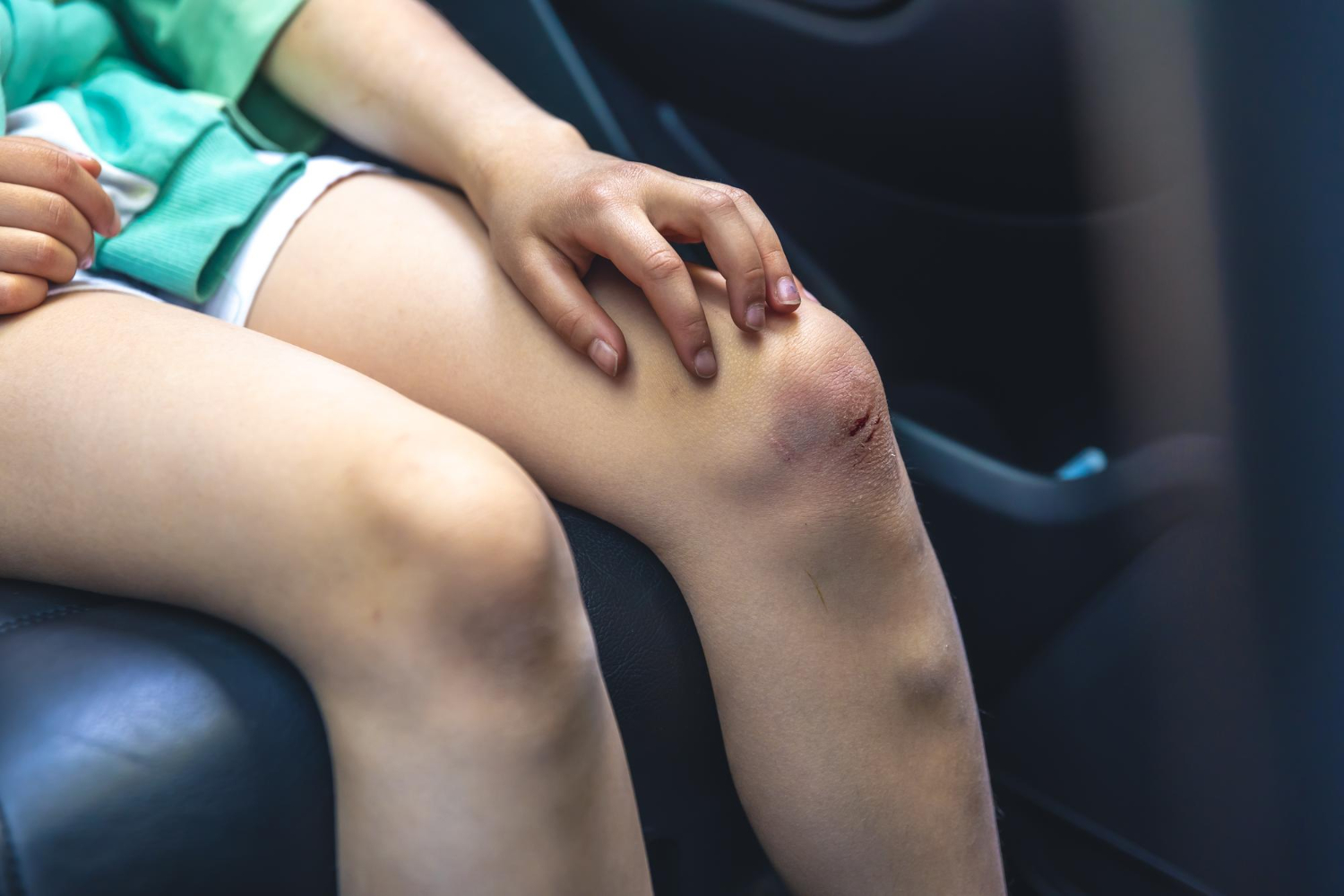
Most people develop bruises at some point or the other, be it after bumping into furniture, minor accidents, or even while exercising. Of course, as reels on social media also frequently showcase, some people tend to be clumsy or absent-minded enough that these bumps and bruises happen many times during a single day. For others with chronic issues like vertigo, bumps and bruises are equally worrisome. A bruise forms when small blood vessels under the skin (capillaries) break and leak blood, creating blue, purple, or black marks. In most cases, bruises fade naturally within one to two weeks. But what about bruises that leave marks, take longer to heal, or appear without a clear cause?
Doctors say that while occasional bruising is normal, frequent, persistent or unexplained bruising should not be ignored. It may signal Vitamin C or Vitamin K deficiencies, side effects of blood-thinning medication, fragile skin due to aging, or rarer issues involving platelets or clotting disorders. According to the Cleveland Clinic, easy bruising is also more common in women and older adults due to thinner skin and reduced fat cushioning.
In today's sedentary lifestyle, with more indoor bumps, increased supplement use, and chronic stress, bruise-related complaints are becoming increasingly common. Understanding what your bruise is telling you, when it needs medical attention, and what you can do at home can make a significant difference.
Why Bruises Happen, And Why Some Leave Long-Lasting Marks
A bruise typically progresses from reddish to blue-purple to green-yellow before fading. Still, several factors can make bruises appear darker or last longer:
- Ageing: Older adults have thinner, more fragile skin and weaker blood vessels. Mayo Clinic notes that ageing skin makes bruising more frequent and prolonged.
- Nutritional deficiencies: Low Vitamin C, Vitamin K or iron levels can slow bruise healing.
- Medications: Blood thinners (like aspirin or warfarin), steroids and certain antidepressants can increase bruising.
- Intense exercise: Lifting heavy weights can cause small blood vessel tears under the skin.
- Skin tone: Bruises can appear more noticeable on lighter skin tones.
- Underlying health issues: Platelet problems, liver disease, or clotting disorders may cause recurrent bruising.
If a bruise leaves a mark for weeks, it may be due to lingering haemosiderin (iron deposits) under the skin, common after deep tissue injury or repeated minor trauma.
When To See A Doctor About A Bruise
While most bruises heal on their own, certain symptoms are medical red flags:
- Bruises that appear without injury or in clusters
- Bruises that don't heal within 2-3 weeks
- Very large or painful bruises after mild injury
- Swelling, numbness or limited movement
- Bruising accompanied by frequent nosebleeds or bleeding gums
- Bruises appearing suddenly after starting a new medication
- Unexplained bruising in children or older adults
- Bruises on the abdomen, back or face without known cause
The U.S. National Library of Medicine recommends evaluation when bruising is persistent or accompanied by unusual bleeding. Doctors may order a CBC (complete blood count), coagulation tests or vitamin level checks to rule out clotting disorders or deficiencies.
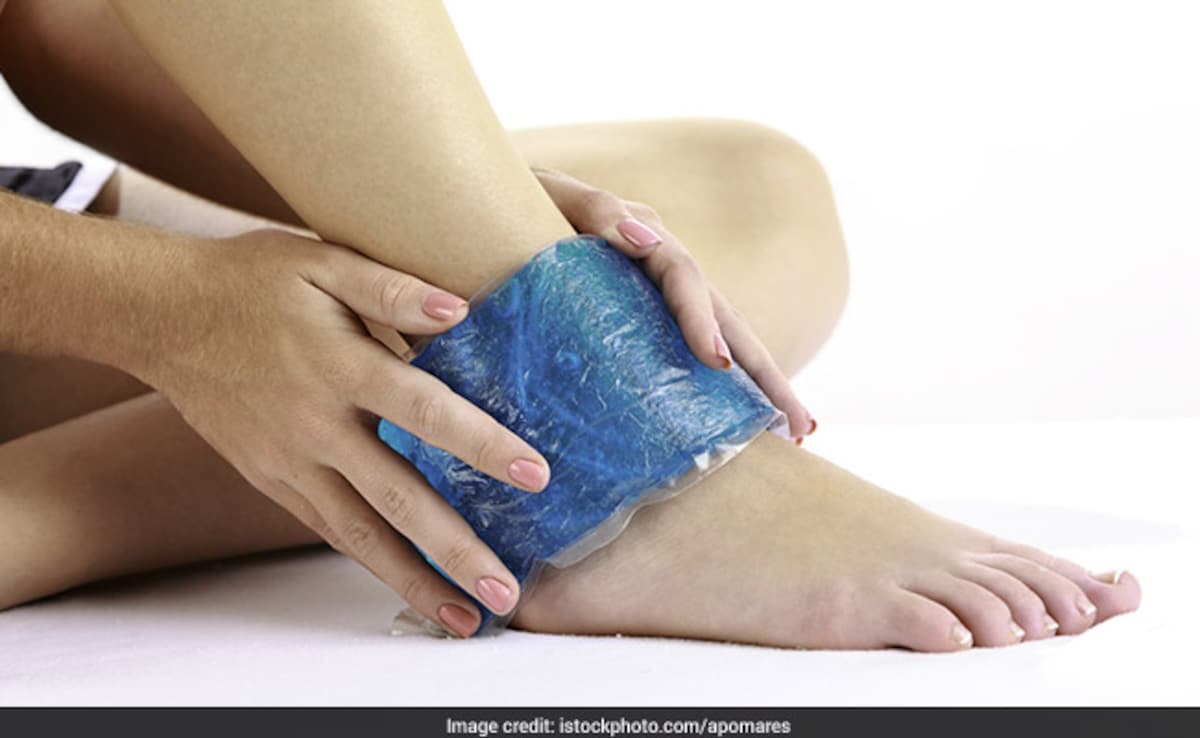
Photo Credit: iStock
What To Do When A Bruise Leaves A Mark
1. Apply Ice (First 24-48 hours):
Ice reduces blood flow to the injured area and stops the bruise from expanding.
- Apply 15 minutes at a time
- Use a cloth barrier
- Elevate the area if possible
2. Heat Therapy (After 48 hours)
Warm compresses help increase blood flow and clear trapped blood pigments.
3. Topical Care
- Arnica gel may help reduce bruise size and discoloration
- Aloe vera can soothe inflammation
- Vitamin K creams may speed up healing in some people
4. Protect the Area
Avoid further trauma because repeated bumps can worsen discoloration.
5. Consider Supplements (if deficient)
Under medical guidance, take prescribed amounts of:
- Vitamin C
- Vitamin K
- Iron (if anaemic)
6. Stay Hydrated and Improve Circulation
Gentle massage around (not on) the bruise may help improve blood flow once swelling subsides.
Prevention Tips: How to Reduce Future Bruising
1. Improve Home Safety
- Install night lights
- Remove clutter
- Use corner guards on furniture
2. Strengthen Skin and Blood Vessels
- Eat citrus fruits, leafy greens, berries and protein-rich foods
- Maintain healthy Vitamin C and K levels
3. Exercise Regularly
Stronger muscles provide better cushioning around blood vessels.
4. Review Medications
If bruising worsens after starting aspirin, blood thinners or steroids, consult your doctor.
5. Wear Protective Gear
For sports, running or heavy lifting.
Bruises are usually harmless, but when they leave lingering marks or occur frequently, they can be a sign of something deeper. Understanding the causes, knowing home remedies that work, and recognizing red flags ensures that you protect your health early. With the right care, from nutrition to injury prevention, many people can significantly reduce bruising and prevent long-lasting marks.
Disclaimer: This content including advice provides generic information only. It is in no way a substitute for a qualified medical opinion. Always consult a specialist or your own doctor for more information. NDTV does not claim responsibility for this information.