





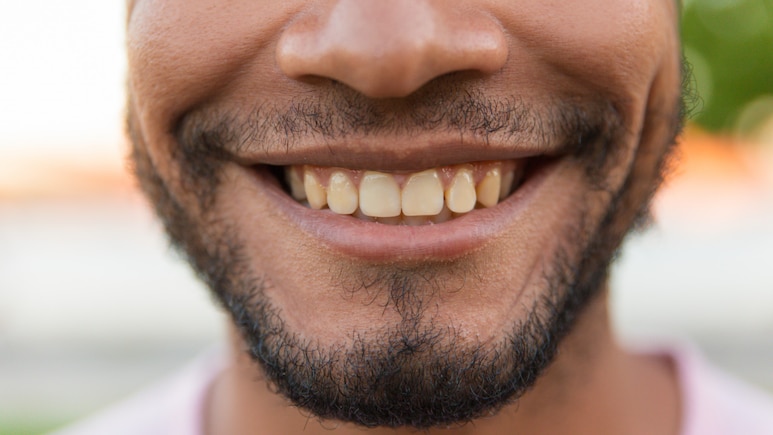
Tooth staining is one of the most common cosmetic dental concerns today, and no, it doesn't just happen because of coffee or smoking. Dentists say that a surprising number of everyday habits can dull your smile, yellow your enamel or create stubborn stains that brushing alone cannot remove. These stains build up gradually, often so subtly that many people don't notice them until they're pronounced. Basically, tooth discoloration happens in two ways:
- Extrinsic staining, which affects the outer enamel due to food, drinks and lifestyle habits.
- Intrinsic staining, which occurs deeper within the tooth due to medications, trauma or developmental issues.
According to the American Dental Association (ADA), enamel is porous and can trap pigment molecules from everyday foods, beverages and habits, especially when oral hygiene is inconsistent.
With changing dietary trends, increased screen time, stress-related habits and the growing popularity of fitness supplements, more people are noticing unexpected staining. The good news? Most of these stains are preventable, or reversible, with simple, science-backed strategies. Here are the daily habits that may be staining your teeth without you realising it, and what exactly you can do to fix each one.
1. Drinking Tea (Yes, Even More Than Coffee)
Tea contains tannins, plant compounds that bind to enamel and cause yellow or brown stains. Research shows that tea stains teeth more than coffee because it has higher tannin concentration.
Fix:
- Add milk to your tea. Proteins in milk reduce tea staining.
- Rinse your mouth with water after each cup.
- Choose herbal teas with lower tannin levels (e.g., chamomile, peppermint).
Also Read: White, Purple, Or Black Toothpaste: Which Cleans Your Teeth The Best?
2. Turmeric In Daily Cooking
Turmeric's natural pigment, curcumin, strongly adheres to enamel, making it one of the most potent food-based stainants.
Fix:
- Rinse your mouth immediately after consuming turmeric-heavy foods.
- Avoid brushing right away because acid exposure temporarily weakens enamel.
3. Frequent Snacking And Sugary Mini-Meals
Every time you snack, oral pH drops, softening enamel and making it more prone to stain absorption. Experts note that acidity weakens enamel, increasing risk of discoloration.
Fix:
- Stick to structured meals.
- Pair snacks with water.
- Include crunchy fruits like apples to naturally scrub enamel.
4. Fitness Supplements Like Pre-Workouts And Protein Powders
Artificial dyes in flavoured supplements cling to enamel. Some protein powders are acidic, accelerating enamel wear and stain absorption.
Fix:
- Prefer unflavoured or clear supplements.
- Drink through a straw.
- Rinse your mouth after consuming.
5. Mouth Breathing (Especially While Sleeping)
Breathing through your mouth dries saliva, which is the mouth's natural cleanser. Studies show reduced saliva increases staining, plaque buildup and enamel damage.
Fix:
- Treat nasal congestion.
- Use a humidifier at night.
- Ask a dentist about mouth-taping or orthodontic evaluation if chronic.
6. Not Drinking Enough Water Throughout The Day
Water washes away pigments and food particles. Low hydration therefore means more staining. So this is one more reason to stay adequately hydrated.
Fix:
- Sip water every hour.
- Rinse after colourful meals like curries or beets.
7. Brushing Too Soon After Meals
This is a surprising one because you'd imagine brushing would remove stains. However, brushing immediately after acidic foods (citrus, sodas, tomatoes) can push pigment into softened enamel, worsening stains. Experts also warn that teeth enamel softens temporarily after acid exposure.
Fix:
- Wait 30 minutes before brushing.
- Rinse your mouth with water in the meantime.
8. Using Mouthwash With Artificial Dyes
Some colourful mouthwashes, like those that are blue, green, pink, can stain enamel, especially if used frequently.
Fix:
- Choose dye-free, alcohol-free mouthwashes.
- Use once daily unless advised otherwise.
9. Poor Brushing Technique Or Skipped Night Brushing
Nighttime is when bacteria multiply fastest, embedding stains deeper into enamel. This is why experts across the globe recommend brushing twice daily for 2 minutes with fluoride toothpaste.
Fix:
- Use a soft-bristled brush and gentle circular motions.
- Replace brushes every 3 months.
10. Using Whitening Products Incorrectly
Overuse of whitening strips or charcoal products can erode enamel, leading to long-term yellowing, the opposite of the intended effect.
Fix:
- Use dentist-approved whitening only.
- Avoid abrasive products like charcoal.
Tooth staining isn't always the result of poor brushing. Often, it's the small daily habits that add up over time. From tea and turmeric to fitness supplements and mouth breathing, many surprising triggers can dull your smile. The good news? Most stains can be prevented with simple steps: rinsing after meals, moderating acidic foods, hydrating well and adopting smart oral hygiene. Pay attention to your habits, apply the right fixes and your teeth can stay brighter, healthier and stain-free all year.
Disclaimer: This content including advice provides generic information only. It is in no way a substitute for a qualified medical opinion. Always consult a specialist or your own doctor for more information. NDTV does not claim responsibility for this information.
Track Latest News Live on NDTV.com and get news updates from India and around the world

