





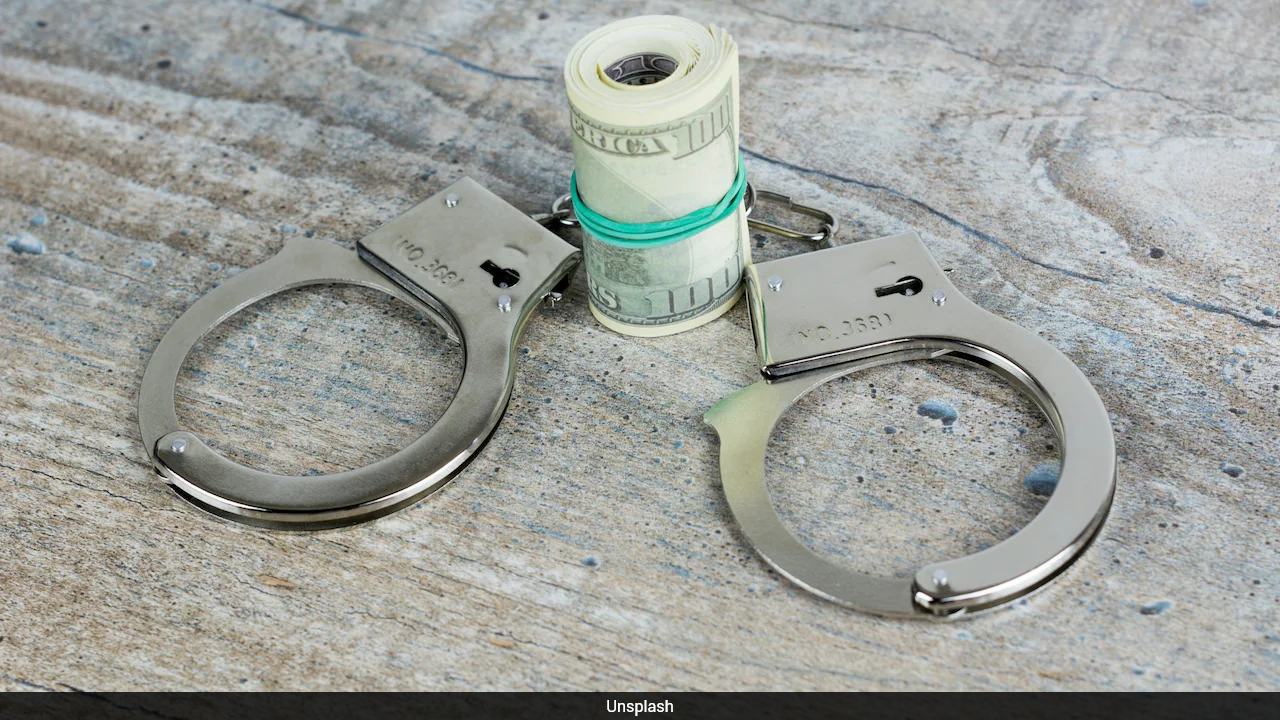
When citizens feel the pinch of higher taxes, they tend to watch their governments more closely, and public officials behave better as a result. That is the headline finding of a new study by researchers at Washington State University (WSU) in the United States. The research, drawing on county-level data on property taxes and federal corruption convictions, found that every one per cent rise in tax burden is associated with a 4.3 per cent fall in convictions for offences such as bribery, election fraud, conflict of interest, and extortion in the following year.
The study also found that corruption was greater where government oversight by the opposition party or local news media was weak, and where public officials were paid less than their counterparts in other counties. Taken together, the findings suggest that public scrutiny acts as a powerful check on misconduct.
"When you make people feel their local tax burdens more, they care more about what the county is doing," said Chase Potter, an assistant professor of accounting at WSU's Carson College of Business and co-author of the study. "And when they care more, public officials will respond. They behave better when they know people are asking, 'What am I getting for my tax dollars?'"
To conduct their analysis, the researchers used the $10,000 cap on state and local tax deductions introduced by the US Tax Cuts and Jobs Act of 2017, which heightened taxpayers' awareness of their local tax burden, as a key variable.
The authors concluded that when the cost of government rises, citizens push back against corruption to improve governance, framing taxation not merely as an economic matter but as part of the social contract between citizens and the state.
The paper was published in the journal Advances in Accounting as part of a special conference issue, and it won the conference's Best Paper Award.
Track Latest News Live on NDTV.com and get news updates from India and around the world

