





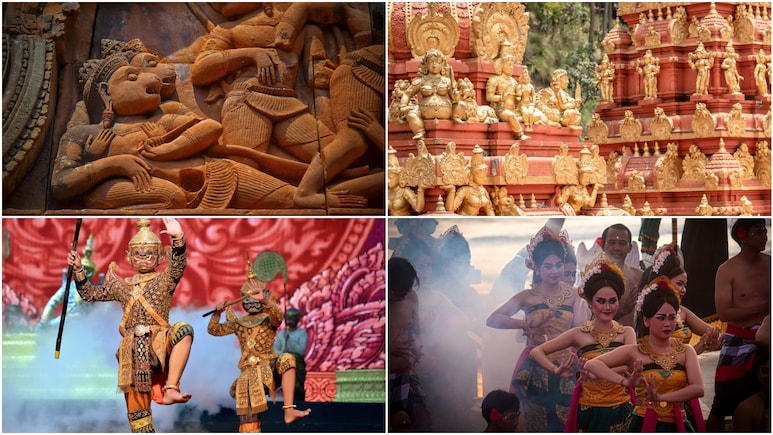
The visually spectacular trailer for Nitesh Tiwari's upcoming epic Ramayana, featuring Ranbir Kapoor as Lord Ram, Sai Pallavi as Sita, Yash as Ravana, and a landmark musical collaboration between Hans Zimmer and A R Rahman, has reignited global interest in one of humanity's most enduring stories. But long before it reached the big screen, the tale of Lord Ram had already travelled far beyond India's borders. Over centuries, the epic spread across Asia through trade, religion and cultural exchange, evolving into distinct regional versions while preserving its timeless themes of duty, courage and righteousness.
From Indonesia's Kakawin Ramayana and Thailand's Ramakien to Cambodia's Reamker and Laos' Phra Lak Phra Lam, the story has been reimagined to reflect local traditions, beliefs and artistic styles. These adaptations continue to shape literature, dance, theatre and cultural identity across the region, highlighting the Ramayana's remarkable global legacy.
Here are some of the most well-known versions of the Ramayana from around the world.
Thailand: The Ramakien
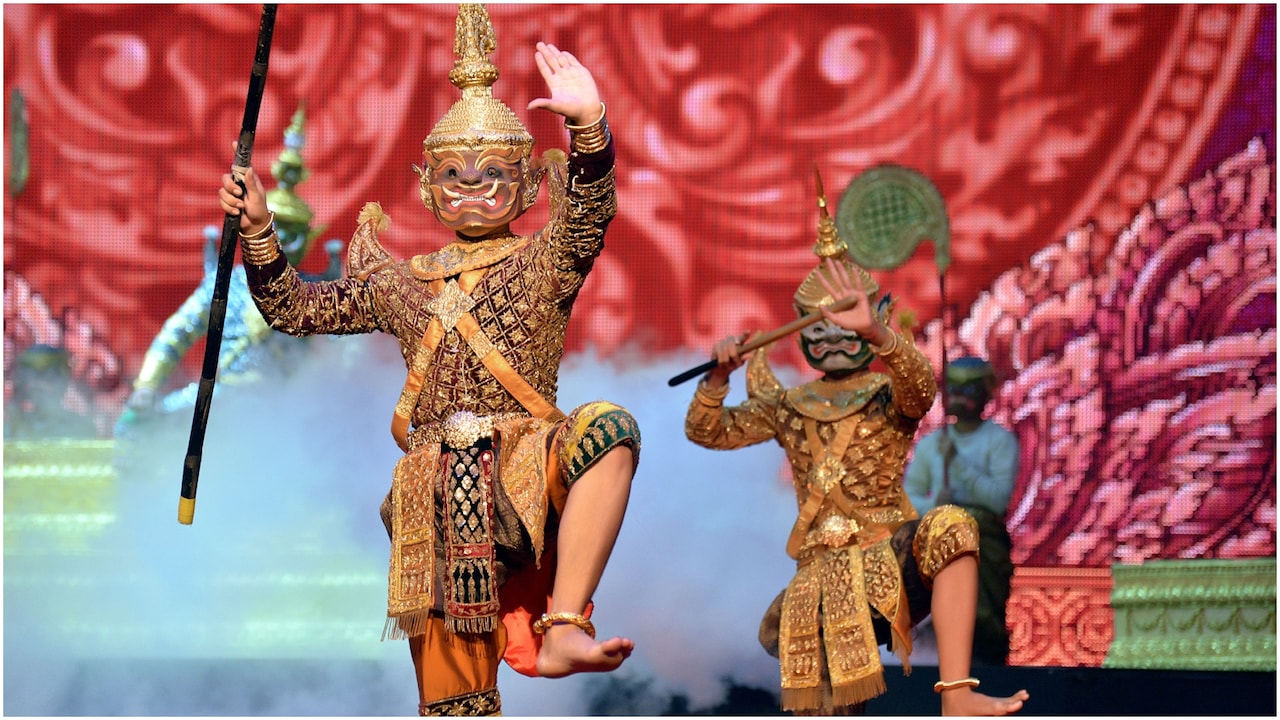
In Thailand, the Ramayana is known as the Ramakien, which translates as "The Glory of Rama". While based on the Indian epic, the Thai version includes local elements and adaptations.
(Photo Credit: Pexels)
The story has had a major influence on Thai art, dance and literature. Murals depicting scenes from the Ramakien can be seen in temples across the country, particularly in Bangkok's famous royal temples. Thailand's Chakri kings have traditionally used the regnal title "Rama", highlighting the epic's significance in the country's history.
Indonesia: The Kakawin Ramayana
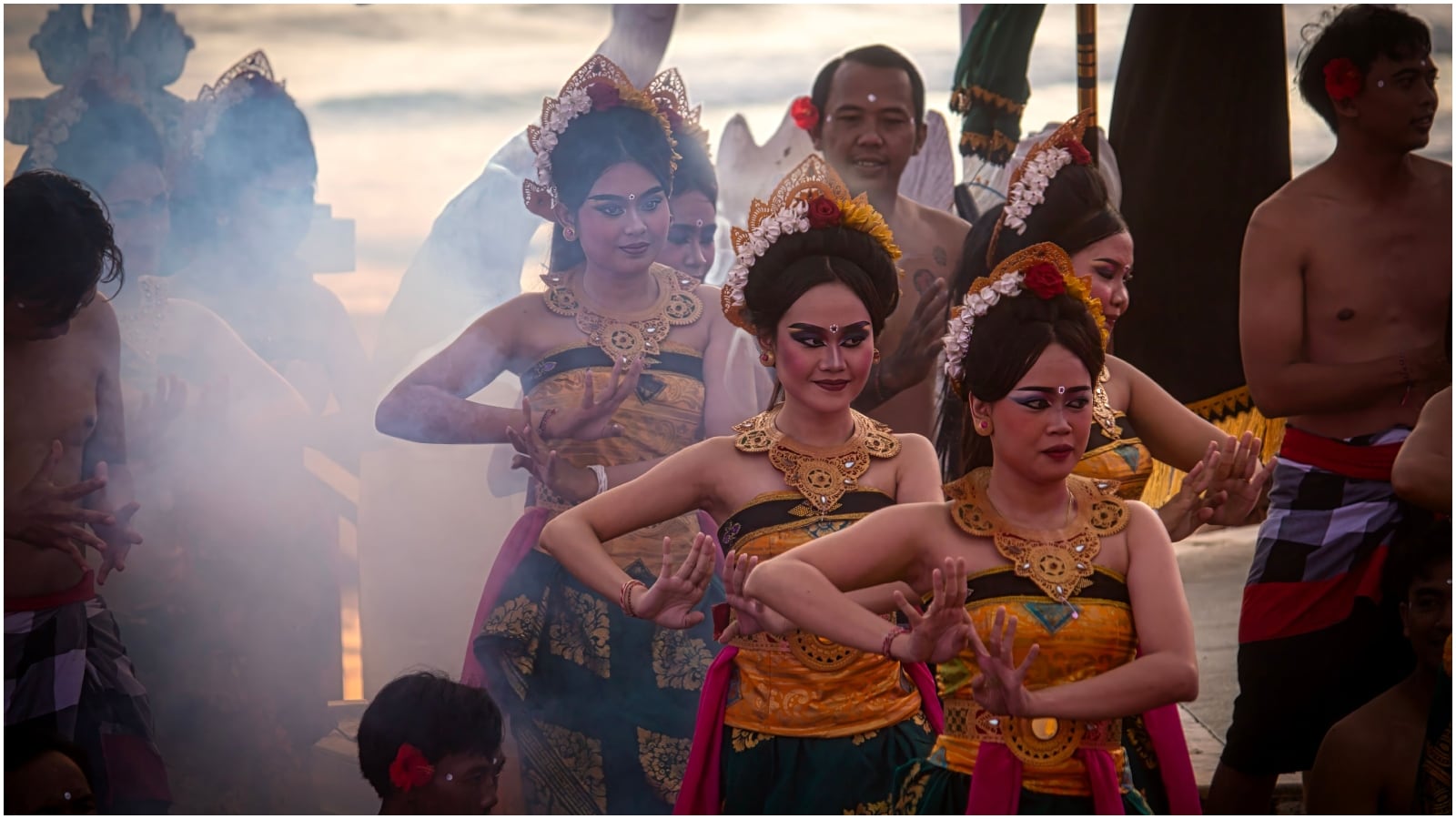
Indonesia, the world's largest Muslim-majority country, has preserved strong cultural links to the Ramayana.The epic is especially popular on the islands of Java and Bali.
(Photo Credit: Pexels)
The Kakawin Ramayana, written in Old Javanese, is one of the best-known versions of the story. Traditional dance dramas and shadow puppet performances based on the Ramayana continue to attract audiences, while scenes from the epic are carved into the walls of historic temples.
Cambodia: The Reamker
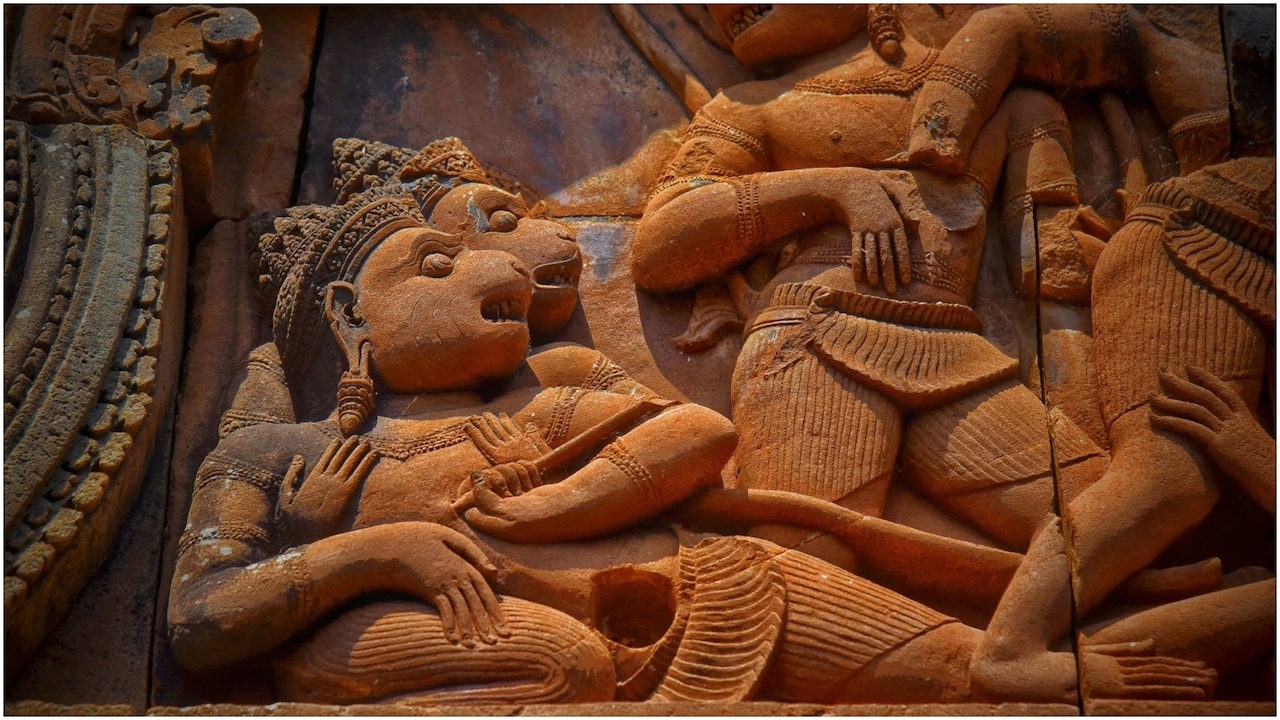
Cambodia's version of the epic is called the Reamker, meaning "The Glory of Rama". It adapts the original story while incorporating local beliefs and customs.
(Photo Credit: Pexels)
The Ramayana has influenced Cambodian classical dance, theatre and visual arts for centuries. Many scenes from the Reamker can still be found in ancient carvings and temple artwork across the country.
Laos: Phra Lak Phra Lam
In Laos, the Ramayana evolved into Phra Lak Phra Lam. The story combines elements of the original epic with Buddhist teachings and local traditions.
The tale remains an important part of Lao literature and cultural heritage, reflecting the country's unique interpretation of the legendary narrative.
Myanmar: Yama Zatdaw
Myanmar's adaptation of the Ramayana is known as Yama Zatdaw. It draws heavily from the Indian epic but includes influences from local folklore and traditions. The story has long been performed through theatre and dance, helping preserve its popularity among generations of audiences.
Beyond Asia
The Ramayana has also spread beyond Asia through migration and the growth of Indian diaspora communities. Communities of Indian origin in countries such as Mauritius, Fiji, Trinidad and Tobago, and Suriname continue to celebrate and perform stories from the epic.
Temples, festivals and cultural events dedicated to Lord Rama help keep the tradition alive among younger generations living far from India.
A Timeless Legacy
Although each country has developed its own version of the Ramayana, the central message of the story remains unchanged. Themes of truth, devotion, sacrifice and justice continue to resonate with people across cultures and generations.
From temple murals in Thailand to shadow puppet shows in Indonesia and classical dance performances in Cambodia, the Ramayana's legacy remains visible around the world, proving that this ancient Indian epic has truly become a global cultural treasure.
Track Latest News Live on NDTV.com and get news updates from India and around the world

