





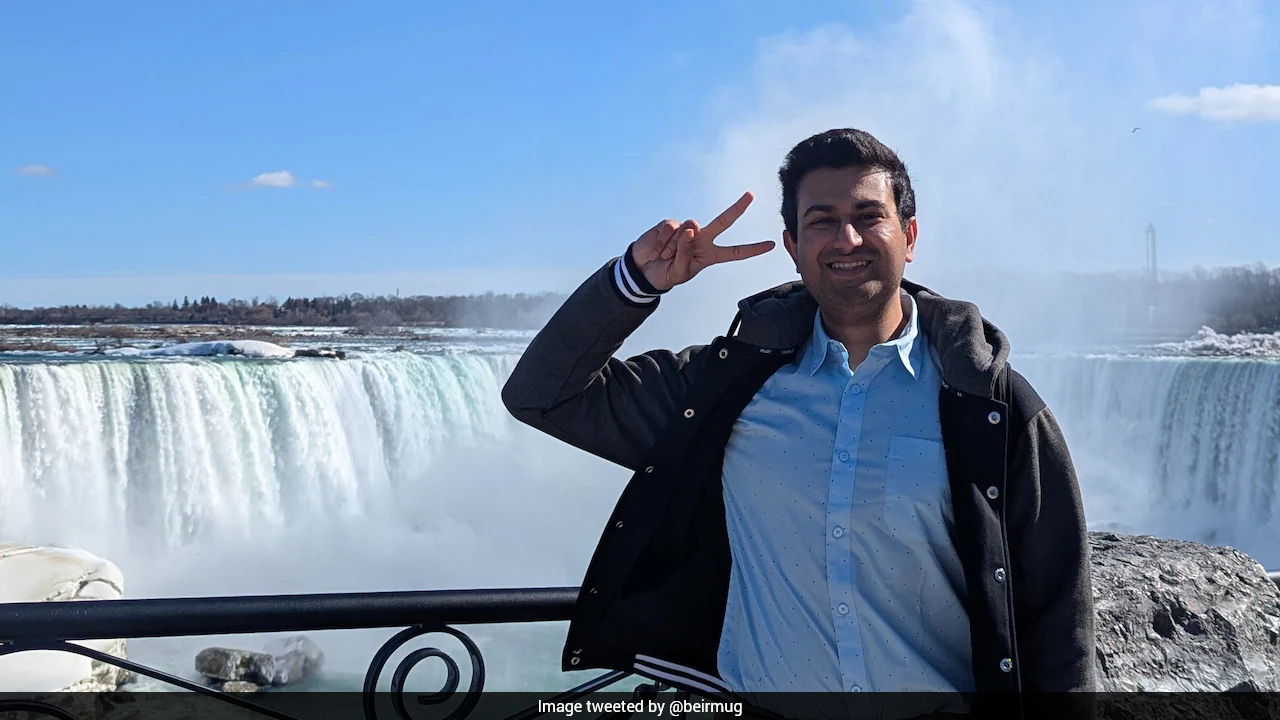
- Microsoft researcher chose to return to India after his PhD in Canada for personal and professional reasons
- He had positive experiences in Canada but missed family, Indian culture, and faced loneliness during winters
- Thakur faced visa uncertainties and never fully felt a sense of belonging as an immigrant in Canada
A Microsoft postdoctoral researcher has explained why he chose to return to India after completing his PhD in Canada. He said that the decision was driven by a mix of personal and professional factors rather than dissatisfaction with life abroad. Nandan Thakur, a BITS Pilani graduate who completed his PhD at the University of Waterloo, shared his experience in a long article on X titled "Why am I returning to India after my PhD?' He said the decision followed conversations with his wife, Esha Saha, about their long-term goals and the kind of life they wanted to build.
Thakur said returning to India after becoming settled abroad can be a difficult choice, especially when Canada offers better-paying jobs and a relatively accessible path to permanent residency and citizenship. However, he said he had a positive experience in Canada and did not leave because he disliked the country. Instead, several smaller factors gradually influenced his decision.
"I had a wonderful PhD experience there and was fortunate enough to meet the love of my life during my studies. Instead, there wasn't a single strong reason for my decision to return, but rather my decision was shaped by the accumulation of many small things that I feel are crucial for my life, and I will miss these outsides of India," he wrote.
During his time in Edmonton, Alberta, he struggled with loneliness, particularly during the harsh winters and while working remotely. He also missed Indian food, friends and family, and found it difficult to attend weddings and other important occasions because of the distance and high cost of travelling between Canada and India.
He also spoke about the uncertainty that can come with being an immigrant. Visa requirements, immigration paperwork and job-related changes could create stress, while he never felt a complete sense of belonging in Canada. "Personally, as an immigrant, I've unfortunately never completely felt that belongingness to the country. I also saw friends live with a tremendous amount of stress around visas and immigration status. A job change, delayed paperwork or getting a visa appointment could suddenly become a major source of anxiety," he added.
See the post here:
Life Update: Last month I started as a Postdoctoral Researcher at Microsoft Research India!
— Nandan Thakur (@beirmug) August 15, 2026
If you are curious on why I chose to return to India after my PhD from Canada; I've written some personal thoughts about it! https://t.co/INqlesRsUT
Thakur also said he never viewed staying in Canada permanently as the ultimate goal. He and his wife had originally moved there to complete their PhDs, and after achieving that goal, they began considering what they wanted next. Returning to India, he said, was therefore not a fallback option or a sign of failure.
Professionally, India's rapidly expanding AI ecosystem was another major reason for his return. Thakur said the growth of research groups at IITs, IISc and BITS, along with companies and research labs such as Microsoft Research, Google DeepMind and IBM, has made India increasingly attractive for AI research. "It's a good time to hopefully bring my experience back into the evolving Indian AI ecosystem," he said.
After moving back to Bengaluru to join Microsoft Research India as a postdoctoral researcher, Thakur acknowledged that returning home has brought its own culture shock. Traffic and excessive honking have been frustrating, while some familiar comforts, such as Bengaluru's filter coffee, have reminded him of what he missed.
Ultimately, Thakur said the decision came down to the life he and his wife wanted to build.
"After spending the past few years abroad in Germany and Canada, I've realised every place asks you to make different trade-offs. For me, conversations with my wife on how we wanted to build our lives, being closer to friends and family, speaking with others in Hindi, contributing to India's growing AI ecosystem, and feeling a stronger sense of belonging made it very easy to choose," he concluded the article.
Track Latest News Live on NDTV.com and get news updates from India and around the world

