





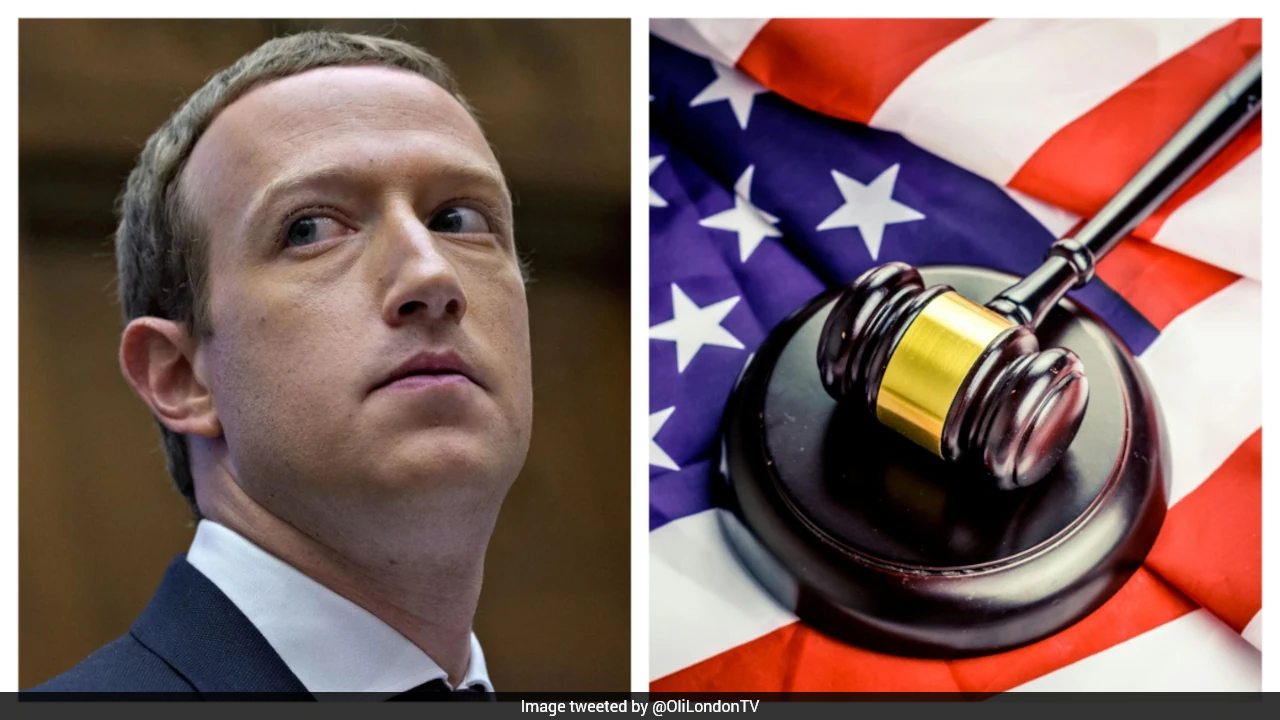
- Veteran lawyer Mark Lanier used AI to aid a $6 million social media addiction verdict
- AI processed evidence, analysed testimony, and helped refine courtroom strategies
- Custom AI platform was trained on Lanier's 40 years of legal experience and style
A veteran Texas trial lawyer has revealed how artificial intelligence became a crucial weapon in his courtroom battle against Meta and Google's YouTube, helping his team secure a multimillion-dollar jury verdict in a landmark social media addiction case. In March 2026, a Los Angeles jury awarded $6 million (around Rs 57 crore) to a young woman who alleged that social media addiction during her childhood caused significant harm. The jury found Meta and YouTube negligent, marking the first social media addiction lawsuit in the United States to reach a jury verdict.
AI Became a 'Force Multiplier'
The case was led by renowned trial attorney Mark Lanier, who is known for taking on some of the world's largest corporations. Facing two of the biggest technology companies on the planet, Lanier turned to artificial intelligence to help level the playing field.
"It's as if I have 10 additional workers who are incredibly well-trained, who know the file inside and out, who work 24 hours a day and don't even need to take a break for the restroom, much less PTO," he told Business Insider, adding, "In the 10 hours I might be working outside of court, I can get 30 hours of work done."
Rather than relying on publicly available AI chatbots, Lanier's firm invested in an enterprise platform called Boodlebox, securing a customised and private setup for legal work. The platform was trained on more than four decades of Lanier's courtroom experience, including his previous trial strategies, legal writings, publications and case insights. This allowed the AI to generate outputs tailored to his style of litigation.
How AI Helped Build the Case
Throughout the month-long trial, the technology handled massive amounts of information that would normally require countless hours of manual work. The AI reviewed thousands of pages of evidence, analysed internal company documents, summarised witness testimony and processed daily courtroom transcripts overnight.
Lanier also used the technology to study jury notes and reactions, helping his team refine arguments and communication strategies as the trial progressed.
One of its most notable roles came ahead of Meta CEO Mark Zuckerberg's cross-examination. Overnight, the AI generated roughly 100 potential questions. Lanier then selected the handful he believed were strongest.
Over time, the system learned from his choices. According to Lanier, once the AI understood which types of questions he preferred, its recommendations became dramatically more accurate, matching his style 80 to 90 per cent of the time.
'AI Can't Replace a Lawyer'
Despite embracing the technology, Lanier stressed that AI remains a tool rather than a replacement for legal professionals. While it excelled at processing information and handling repetitive tasks, he argued that it lacks the human qualities that often decide courtroom outcomes like intuition, emotional intelligence and the ability to react in real time.
According to Lanier, AI can help prepare the case, but it cannot read a juror's facial expression, sense shifting courtroom dynamics or capitalise on an unexpected moment during testimony. By delegating much of the time-consuming preparation work to AI, his lawyers were able to focus their energy on strategy, advocacy and courtroom performance.
The Verdict and What Comes Next
After hearing the case, the jury concluded that Meta and YouTube had been negligent in the way they designed and operated their platforms for younger users. The panel awarded $3 million in compensatory damages and $3 million in punitive damages. Meta was assigned 70 per cent of the liability, while Google was assigned the remaining 30 per cent.
Both companies have said they disagree with the verdict and plan to appeal.
Track Latest News Live on NDTV.com and get news updates from India and around the world

