





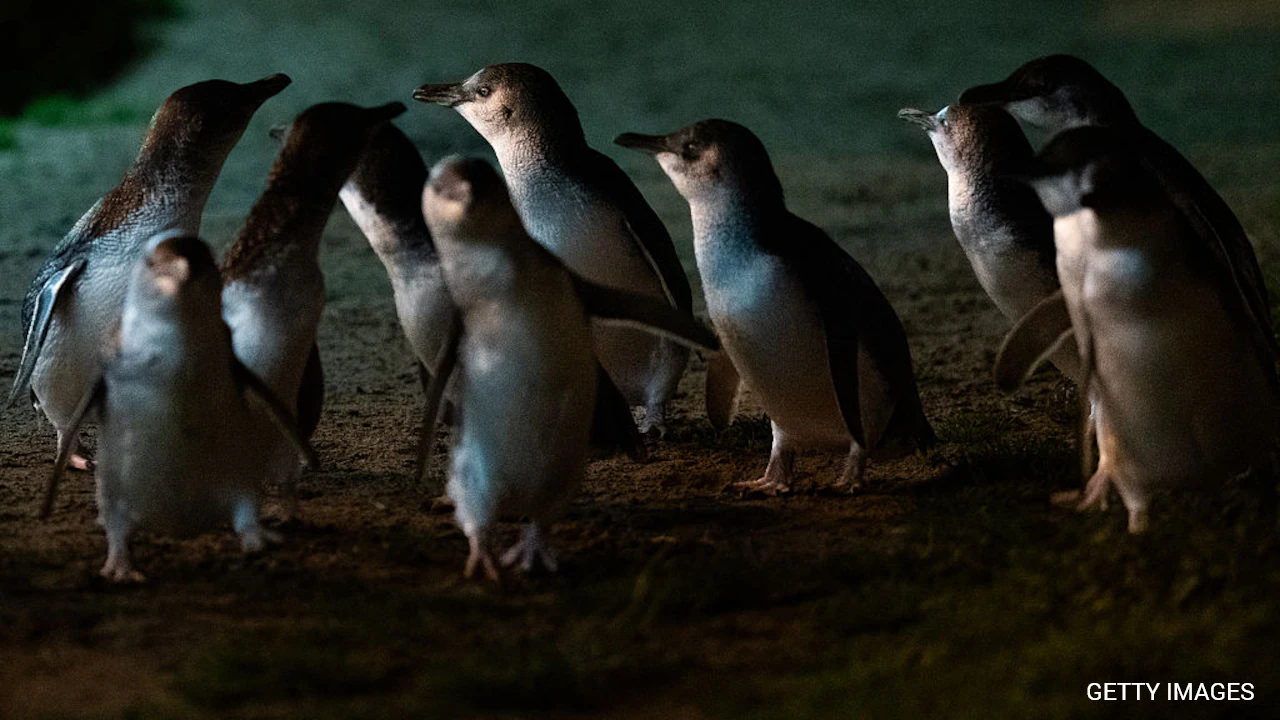
Every evening on Phillip Island, as the light begins to fade over the waters off Australia's southern coast, something remarkable happens. Hundreds - and sometimes thousands - of little penguins emerge from the sea and make their way towards shore. They are the world's smallest penguins, standing at only about 30 centimetres tall. But on Phillip Island, these tiny seabirds are at the centre of one of Australia's most closely watched conservation stories: A population that once faced a serious decline, and the long, painstaking effort to bring it back.
The story, detailed in conservation work by Phillip Island Nature Parks, is not simply about protecting penguins. It is also about what happens when an introduced predator changes an island ecosystem - and how determined intervention can help reverse some of the damage.
Tracing the history of these penguins, the outlet said there were 10 little penguin colonies around Phillip Island but nine of these colonies disappeared due to various factors.
What Happened To The Penguins?
For decades, Phillip Island's little penguins faced multiple threats. But by 1980s, human activity disturbed their breeding habitat, while introduced animals created new dangers in an ecosystem where the penguins had evolved without those predators.
One of the most significant threats came from red foxes that were introduced to Australia in the 19th century and subsequently spread across much of the country. On Phillip Island, they became a particularly serious problem because the island's geography created a concentrated population of vulnerable wildlife.
For little penguins, the threat was especially acute. They spend much of their lives at sea, but return to land to breed, raise chicks and shelter. That made their colonies predictable targets for predators.
A single fox could kill multiple penguins in a night.
And because little penguins return to the same areas repeatedly, a predator did not have to search far to find them.
The Fight Against The Foxes
Conservationists eventually recognised that protecting penguins required dealing with the threat at its source.
Phillip Island embarked on an intensive fox-eradication programme, combining surveillance, trapping and other control measures. The goal was not simply to reduce the number of foxes, but to eliminate them from the island.
It not only meant decades of sustained effort, but also restoring habitat and reducing other pressures on the penguins.
The conservation programme brought together scientists, rangers, volunteers, local communities and government agencies, turning the protection of a small seabird into a much larger ecosystem-restoration project.
In 2017, Phillip Island was declared fox-free.
And Then There Were More (Penguins)
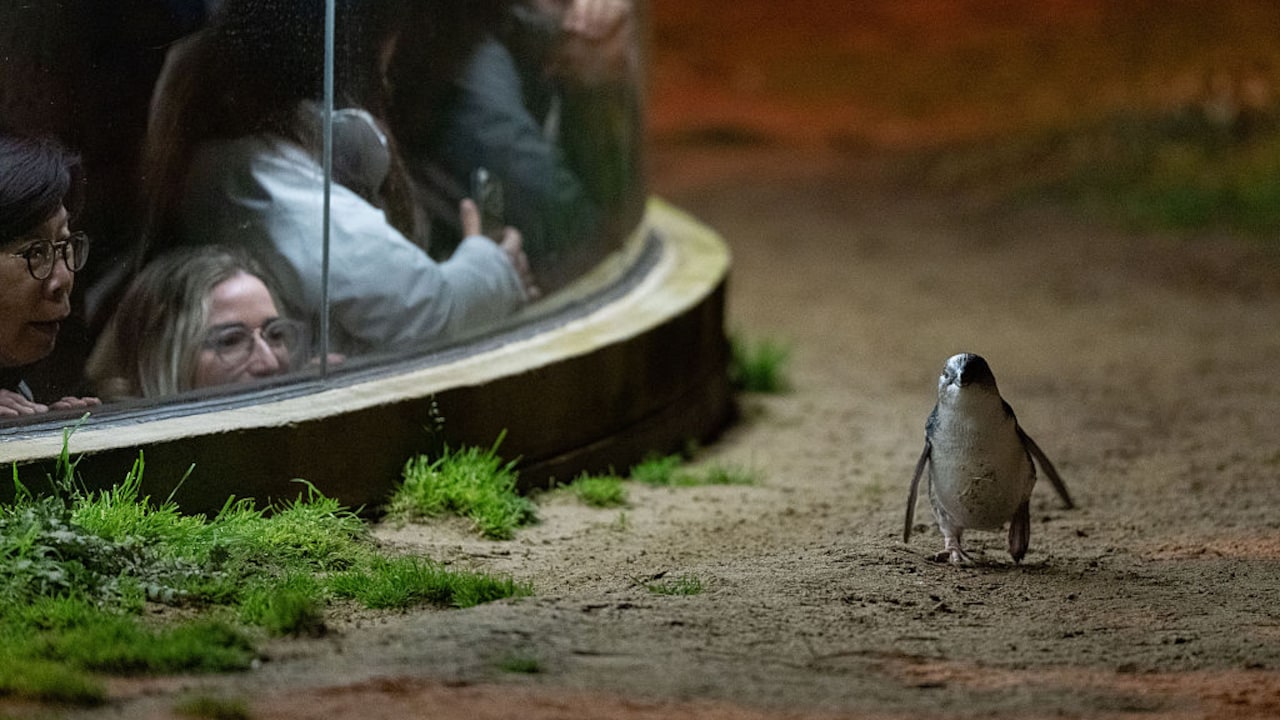
The conservation efforts revived the population of penguins on Phillip Island.
Photo Credit: Getty Images
As predator pressure was reduced and habitat protection improved, the little penguin population began showing signs of recovery. From 12,000 in 1980s, the little penguin population has reached 40,000 today.
That recovery is significant because conservation success is rarely a single dramatic moment. There is no one day when a species suddenly returns from the brink.
Instead, it is measured in thousands of small victories: Another breeding season, more chicks surviving, safer nesting grounds and fewer animals being killed.
On Phillip Island, those efforts have transformed the nightly penguin parade into something more than a tourist attraction. It has become a visible reminder of what sustained conservation can achieve.
Why Does The Story Matter?
The little penguins of Phillip Island are not simply survivors of a difficult past. They are evidence of something equally important: Conservation does not always mean accepting decline and watching a species disappear.
Sometimes, given enough time, resources and persistence, an ecosystem can begin to heal itself.
Track Latest News Live on NDTV.com and get news updates from India and around the world

