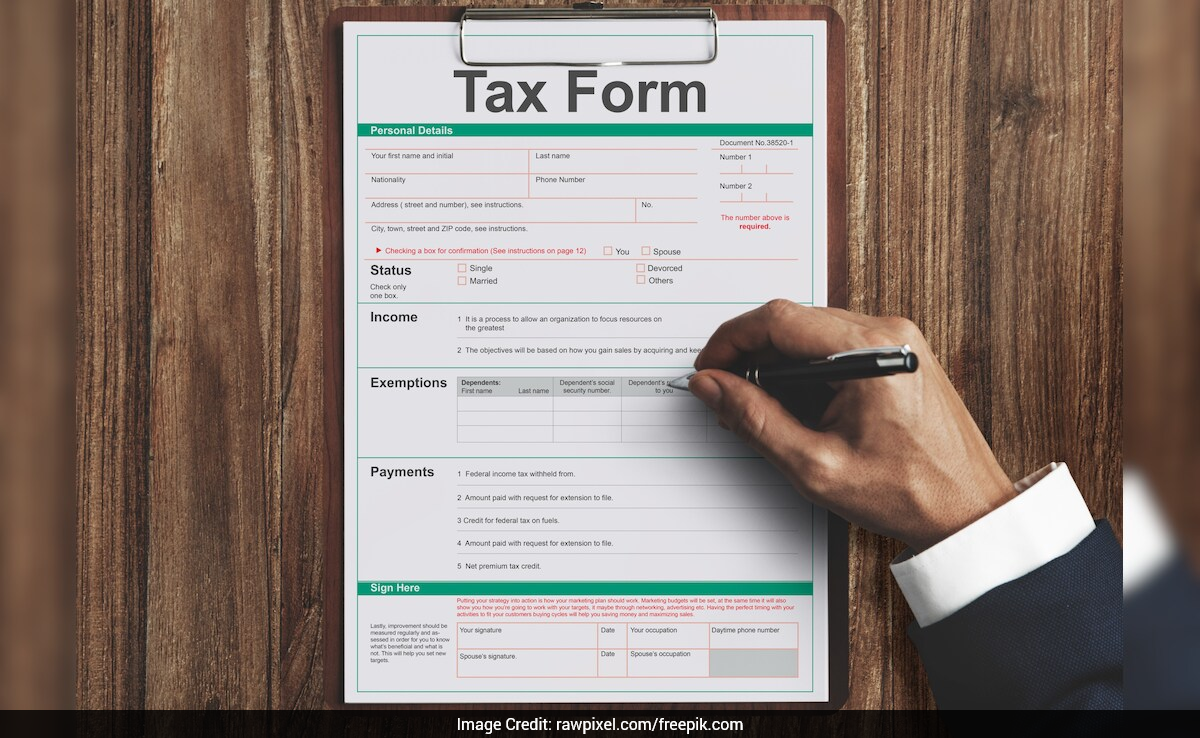
Taxes For F-1, J-1 Visa Holders: Studying in the United States is a major milestone for thousands of Indian students each year, but many are unaware that living in the US also comes with important tax responsibilities. Whether you earn a small stipend, work on campus or simply spend time in the country without any income, you may still be required to file certain federal tax forms. Understanding these rules early can help you avoid penalties, claim rightful exemptions and stay compliant with US tax law throughout your F-1 or J-1 visa period.
What Forms Do You Need to Submit?
- If you are a nonresident tax filer and had no US-sourced income during the previous calendar year, you only need to complete Form 8843.
- Form 8843 is an informational form required by the IRS for anyone who is considered a nonresident for tax purposes. It must be filed by every nonresident who was physically present in the U.S. at any time during the year-this includes students, spouses, partners, and dependent children.
- If you are a nonresident tax filer with US source income and are using Sprintax to file your tax return, your Form 8843 will be automaticaly generated and included in the forms that Sprintax prepares for your filing.
Who Must File?
Individuals temporarily in the US as students, scholars, teachers, trainees, researchers, exchange visitors, or cultural exchange participants fall under special tax rules.
Importantly, there is no minimum income threshold for nonresident aliens-including foreign students and scholars. Even a very small amount of income or no income at all, can still require filing.
When Are You Exempt From Social Security and Medicare Taxes?
Most students on F-1, J-1, or M-1 visas who are in the US for less than five calendar years are considered nonresident aliens under the residency rules of IRC Section 7701(b).
During this period, they are generally exempt from Social Security and Medicare taxes on wages earned for work performed inside the U.S.
Employment types that qualify for exemption include:
- On-campus jobs (up to 20 hours per week during the semester and full-time during breaks).
- Off-campus work specifically approved by USCIS.
- Practical Training (CPT or OPT), whether on campus or off campus.
Additionally, Social Security and Medicare taxes do not apply to work done by students employed by their school, college, or university if they are enrolled at least half-time.
Tax Year, Timing, and Deadlines
- The US tax year runs from January 1 to December 31.
- Students typically file their federal tax return in April of the following year.
Most universities-including their Office of International Students and Scholars (OISS)-provide detailed tax filing guidance during spring and often offer access to tax preparation tools such as Sprintax to simplify the process.
