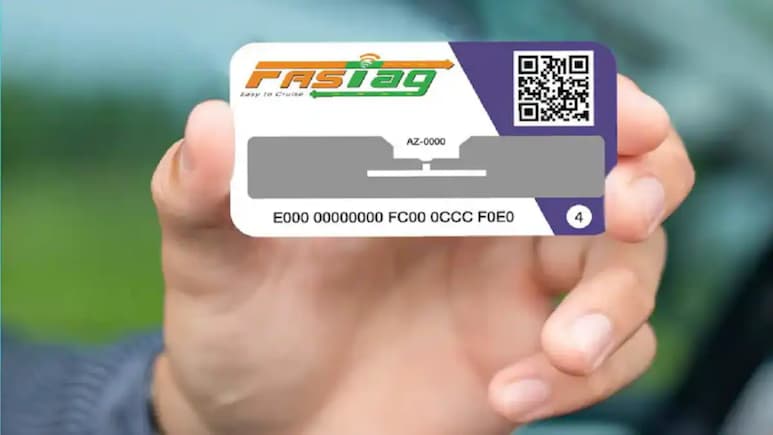
India's digital tolling ecosystem continues to expand at a steady pace, with the government confirming that active FASTag users have reached 6.23 crore as of June 2026. Alongside this growth, the Centre is pushing ahead with plans to introduce barrier-free tolling systems aimed at making highway travel faster and more seamless.
FASTag Adoption Grows
In a written reply in the Lok Sabha on July 30, the Ministry of Road Transport and Highways highlighted the increasing adoption of FASTag across the country. The system, which enables automatic toll payments through RFID technology, has now become a standard part of highway travel for most vehicle owners.
Also Read: Bajaj To Unveil Updated Classic Pulsar Line-Up On August 12
A key driver of this growth has been the FASTag Annual Pass scheme, launched on August 15, 2025, for non-commercial vehicles such as cars, jeeps and vans. By June 2026, more than 77 lakh annual passes had been issued under the scheme, accounting for nearly 63 crore toll transactions. Annual pass users now contribute about 33 per cent of all electronic toll transactions in this vehicle category.
Priced at Rs 3,075, the annual pass has been positioned as a convenient and cost-effective option for frequent highway users.
Also Read: TVS Raider 125 Gets Doctor Doom's Colours In New Special Edition; Check Price
Move Towards Barrier-Free Tolling
The government is now focusing on the next stage of tolling technology with the rollout of Multi-Lane Free Flow (MLFF) systems. This approach removes the need for physical toll booths, allowing vehicles to pass through without stopping.
MLFF combines FASTag, Automatic Number Plate Recognition (ANPR) cameras and artificial intelligence to identify vehicles and automatically deduct toll charges. The aim is to reduce congestion, save fuel and improve overall travel time on national highways.
Also Read: Hyundai Motor India Q1 Net Profit Falls 35.1 Per cent To Rs 889 Crore
So far, 17 toll plazas have been approved for MLFF implementation, with five already operational. In addition, 104 more toll plazas have been identified for future deployment of barrier-less tolling systems.
Policy And Infrastructure
The ministry also reiterated that, under existing rules, the minimum distance between two toll plazas on the same stretch is generally 60 kilometres. However, exceptions can be made depending on local conditions and infrastructure requirements.
Track Latest News Live on NDTV.com and get news updates from India and around the world
