- The ceasefire between Iran and the US is threatened after Iran closed the Strait of Hormuz again
- Israel intensified strikes on Hezbollah in Lebanon, causing many casualties and widespread damage
- Iran claims Lebanon was part of the truce; Israel and the US dispute this interpretation
The ceasefire deal between Iran and the United States to pause the war in the Middle East appeared to be hanging by a thread after Tehran closed the vital Strait of Hormuz again in protest against massive Israeli bombardment in Lebanon. The Donald Trump administration in the United States has demanded that the waterway -- through which one-fifth of the world's oil usually passes -- be reopened, as it sought to keep peace talks on track.
Both the US and Iran have portrayed the Pakistan-backed 2-week truce agreement as a victory, even as drones and missiles continue to hit Iran and Gulf Arab countries. But the situation became serious after Israel intensified its strikes on the Hezbollah militant group in Lebanon, hitting commercial and residential areas across the country.
Destruction in Lebanon
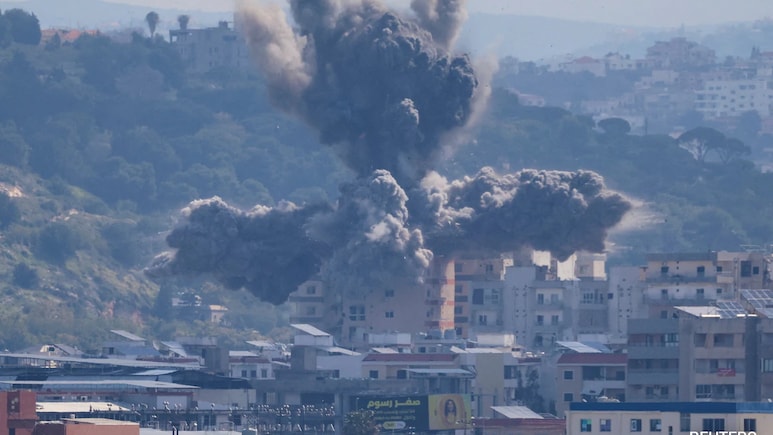
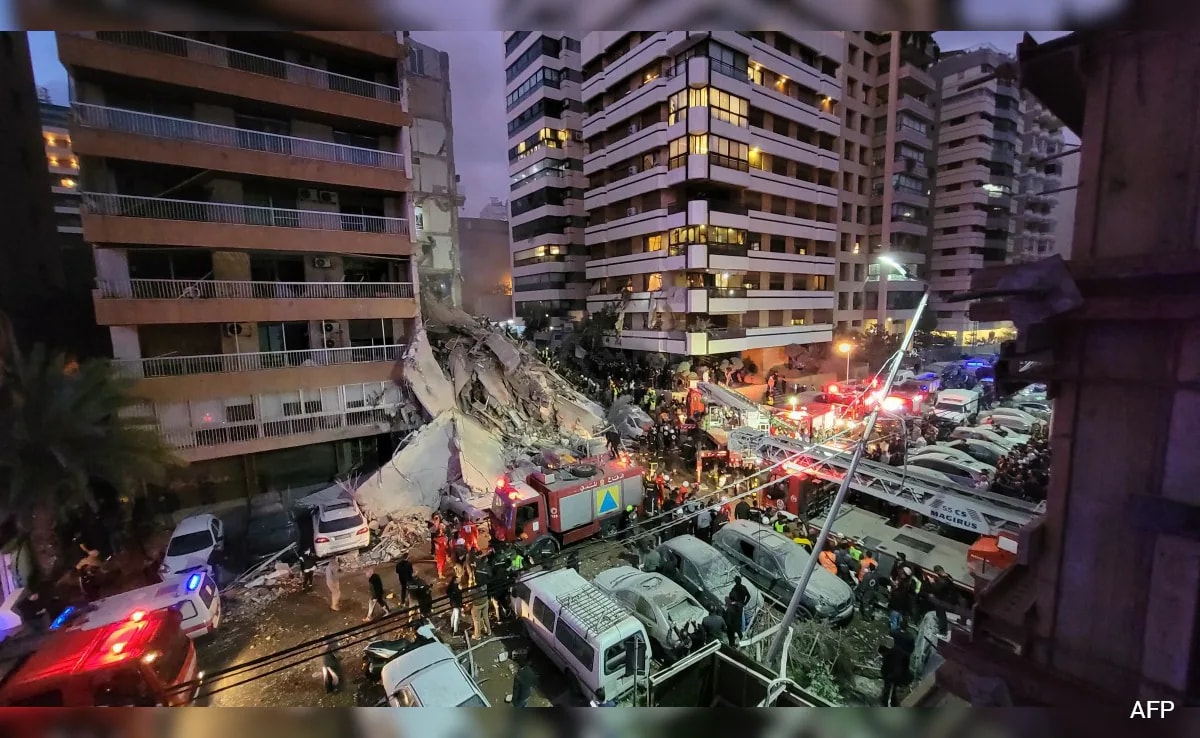
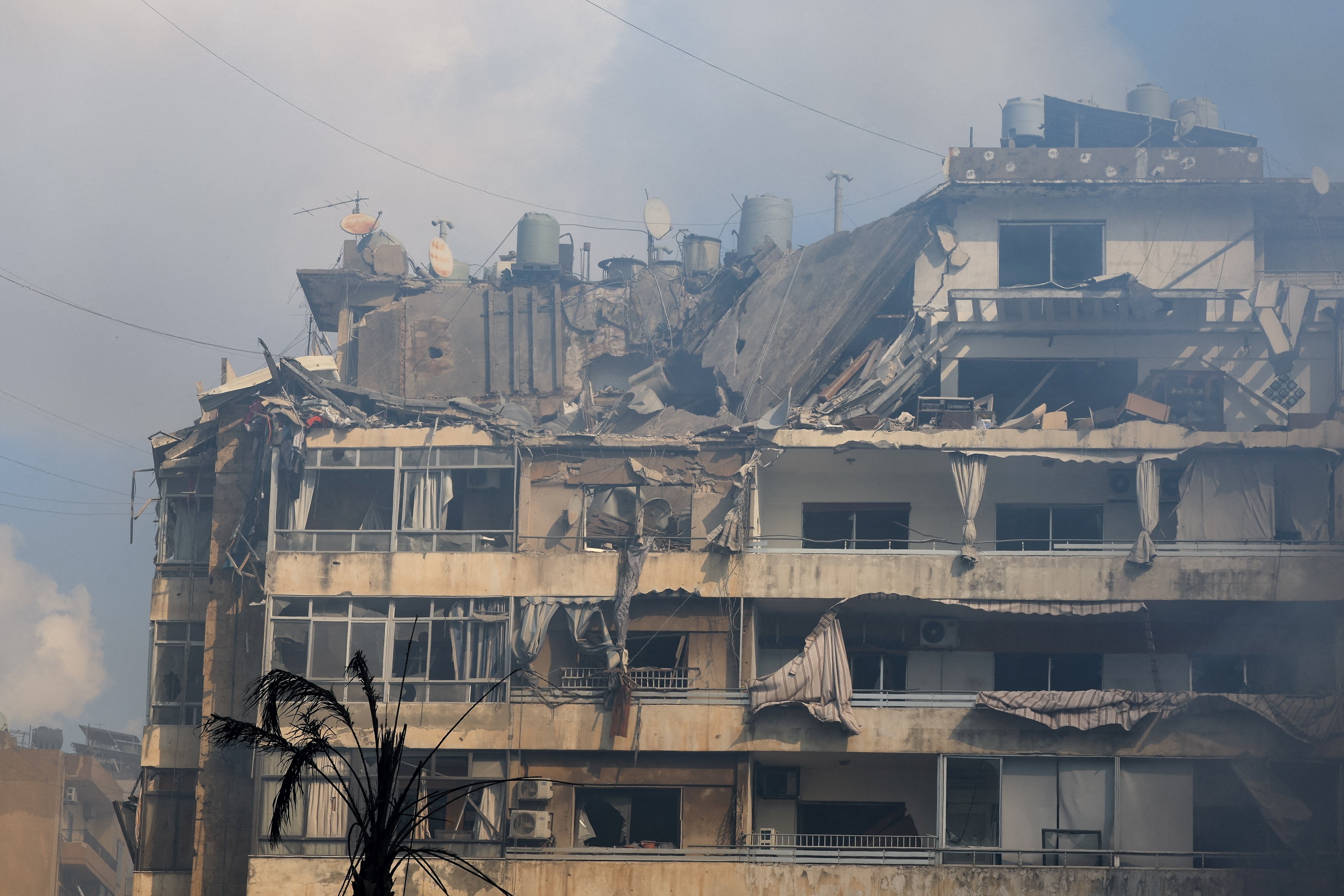
On Wednesday afternoon, at least five consecutive strikes rocked residential areas in the capital, Beirut, as Israel's military said it had launched the largest coordinated strike of the war. Israel also targeted more than 100 Hezbollah command centres and military sites in Beirut, the Bekaa Valley and southern Lebanon within ten minutes.
A total of 254 people have been killed, and over 1,100 have been wounded across Lebanon, the country's civil defence service said. Most casualties were in Beirut, where 91 people were killed.
Tel Aviv has accused Hezbollah of operating from civilian areas, a claim disputed by residents and local officials, particularly in areas where residential buildings were hit without warning.
Israel also struck the last remaining bridge linking southern Lebanon to the rest of the country on Wednesday, a senior Lebanese security source said. The bridge ran over the Litani River, which runs about 30 kilometres north of the border with Israel. LIVE UPDATES
An Israeli military spokesperson said the area south of the Litani was "disconnected from Lebanon." Israel has said it intends to occupy the area as a "buffer zone." It has struck hospitals and power stations there, and thousands of Lebanese civilians still living there say they have been struggling with a shortage of food and medicine.
Israel has issued evacuation orders covering around 15 per cent of Lebanese territory, mostly in the south and in suburbs south of Beirut. More than 1.2 million people have been displaced. Many had hoped a ceasefire could allow them to return.
Before Wednesday's attacks, more than 1,500 had been killed in Israel's air and ground campaign across Lebanon, including more than 130 children.
Was Lebanon Part Of The Truce?
The fresh violence threatened to scuttle what US Vice President JD Vance called a "fragile" deal.
Iranian Foreign Minister Abbas Araghchi insisted that an end to the war in Lebanon was part of the ceasefire deal, but Israeli Prime Minister Benjamin Netanyahu and US President Donald Trump said the truce did not cover Lebanon. When the deal was announced, Pakistan's prime minister, whose country served as a mediator, said in a social media post that it applied to "everywhere, including Lebanon and elsewhere".
"The world sees the massacres in Lebanon," Iran's Araghchi said in a post on X. "The ball is in the U.S. court, and the world is watching whether it will act on its commitments."
The Iranian parliament speaker said planned talks between the US and Iran were "unreasonable" because Washington broke three of Tehran's 10 conditions for an end to the fighting. In a social media post, Mohammad Bagher Ghalibaf objected to Israeli attacks on Iran's proxy group Hezbollah, an alleged drone incursion into Iranian airspace after the ceasefire took effect, and the US' refusal to accept any Iranian enrichment capabilities in a final agreement.
White House press secretary Karoline Leavitt, however, said the re-closing of the Strait of Hormuz was "completely unacceptable". She repeated Trump's "expectation and demand" that the channel be reopened.
Israel's Contention
Reuters
Israeli officials were reportedly unhappy with the very late notice they received ahead of the US-announced ceasefire agreement. The points of contention were lack of consultation and specific elements of the deal, the Wall Street Journal reports, citing mediators and a source familiar with the matter.
According to the report, Israel was only informed at a late stage that the deal had been finalised. "The extent of the consultation was President Trump calling Israeli Prime Minister Benjamin Netanyahu shortly before the cease-fire was announced," the Journal reports, citing a White House official. Netanyahu then agreed to participate, it said.
Netanyahu's office has not commented on the matter yet. But an Israeli official has said that the US had "coordinated in advance" with Israel on the "temporary ceasefire."
The Victory Calls
US Defence Secretary Pete Hegseth stated that American and Israeli forces had achieved a "capital V military victory" and that the Iranian military no longer posed a significant threat to US forces or the region.
The Iranian military, meanwhile, said the country forced Israel and the US to accept its "proposed conditions and surrender".
Much about the agreement was unclear as the sides presented vastly different visions of the terms.
Iran said the deal would allow it to formalise its new practice of charging ships passing through the strait, a crucial transit lane for oil. The White House said Trump is opposed to tolls for ship passage through the strait.
Only 11 vessels moved through the strait on Wednesday, roughly the same as in prior days, according to Windward, a maritime intelligence firm. Iran was requiring shippers to pay tolls of up to $1 a barrel for outbound oil, it said. The largest supertankers carry up to 3 million barrels of crude.
Track Latest News Live on NDTV.com and get news updates from India and around the world


