
The United States said Wednesday it would refuse visas on human rights grounds to a Sri Lankan provincial governor who had been charged with killings during the island's long civil war.
A Sri Lankan investigation accused former navy chief Wasantha Karannagoda, among others, of abducting teenage children of wealthy families and killing them after extorting money.
-

-
 Is AI Bubble Waiting To Burst? Nikhil Kamath Warns Of Tougher Months Ahead
-
 "We Don't Have 5 Years": Celebrated American General Sounds Alarm On War
-
 "There Will Be Issues Between Big Countries": S Jaishankar On India-China
-
 Neha Goyal Makes Stunning Asian Games Gold Revelation At NDTV World Summit 2026
-
 Big NDTV Summit Impact: RBI Governor's Tata Sons Listing Remark Makes Top Newspaper Headlines
-
 "Certainty Is A Problem": Nikhil Kamath On Marriage, Children And Future
-
 "High Inflation Is Like Tax On Everyone": RBI Governor At NDTV World Summit
-
 RBI Governor Sanjay Malhotra's Big Hint On Tata Sons Listing Row At NDTV World Summit
-
 The Mystery Of A Bare Nail In Ashwini Vaishnaw's Office
-
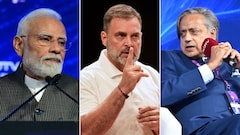 To PM Modi's "Failed Product" Jab At Rahul Gandhi, A Shashi Tharoor Counter
Authorities in 2021 dropped charges, prompting an outcry from human rights groups, and he was soon named governor of North Western Province by then president Gotabaya Rajapaksa, who served as defense chief when Sri Lanka defeated the Tamil Tiger rebels in 2009.
Secretary of State Antony Blinken said allegations against Karannagoda remained "serious and credible" and that neither the governor nor his wife would be allowed to visit the United States.
"The United States reaffirms its commitment to upholding human rights, ending impunity for human rights violators, acknowledging the suffering of victims and survivors and promoting accountability for perpetrators in Sri Lanka," Blinken said in a statement.
The action on human rights comes as both the United States and India voice alarm over inroads in Sri Lanka by China, the island's biggest creditor.
Sri Lanka last year defaulted on its external debt and saw angry protests that toppled Rajapaksa over economic mismanagement that brought acute food, fuel and medicine shortages.
A UN panel has said 40,000 civilians may have been killed in the last stages of the 37-year conflict. Government officials deny abuses.
(This story has not been edited by NDTV staff and is auto-generated from a syndicated feed.)
Track Latest News Live on NDTV.com and get news updates from India and around the world


