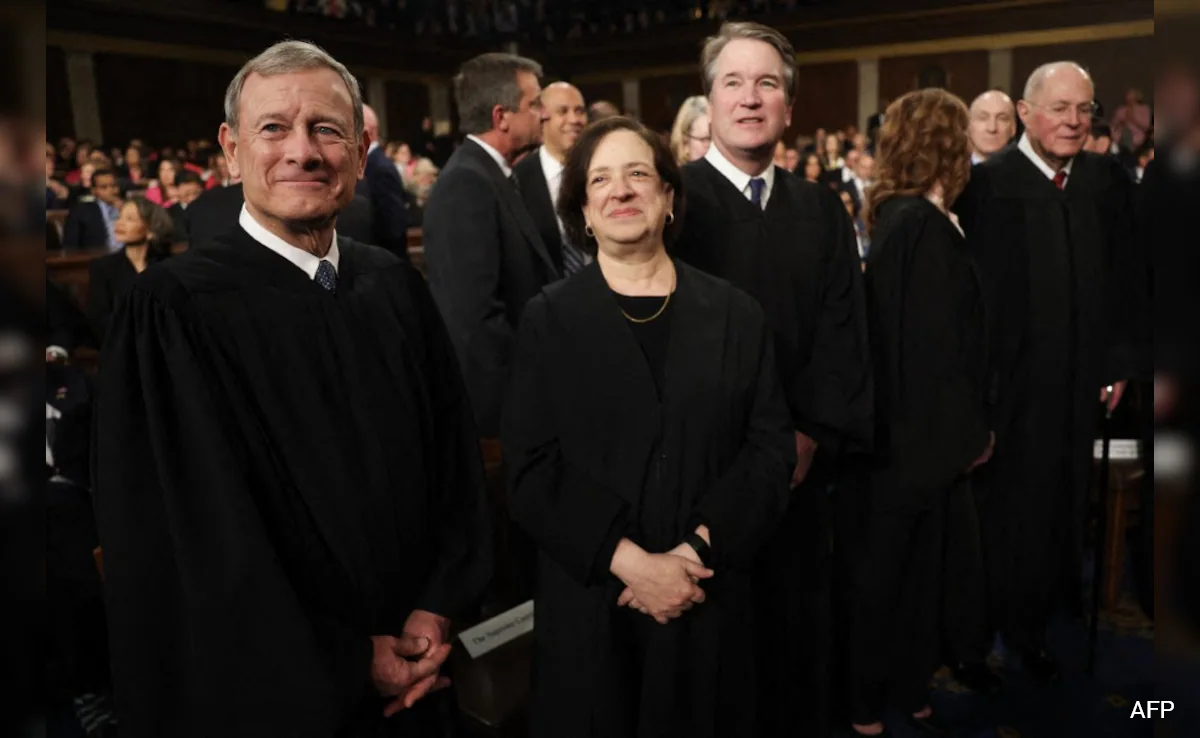
The US Supreme Court blocked large parts of Donald Trump's global tariff programme in a 6-3 ruling on Friday. The Court found that the US President exceeded his authority under the International Emergency Economic Powers Act (IEEPA), a 1977 law that allows limited trade regulation during national emergencies.
The Court ruled that the statute does not grant the president unlimited power to impose tariffs. The majority said only Congress has the constitutional authority to levy taxes and duties on imports unless it clearly delegates that power. The ruling came as Trump announced that an India-US trade “deal is on.”
Trump, who had previously been confident that the Court would side with him, called the ruling a “disgrace”.
Here is a look into the judges and how they voted:
The Six Justices In The Majority
These six justices ruled that Trump exceeded his authority under IEEPA and that the tariffs were unlawful.
John Roberts (Chief Justice)
Chief Justice Roberts wrote the majority opinion. He said that IEEPA “does not authorise the President to impose tariffs.” He said that major economic actions require explicit approval from Congress, especially when they affect global trade.
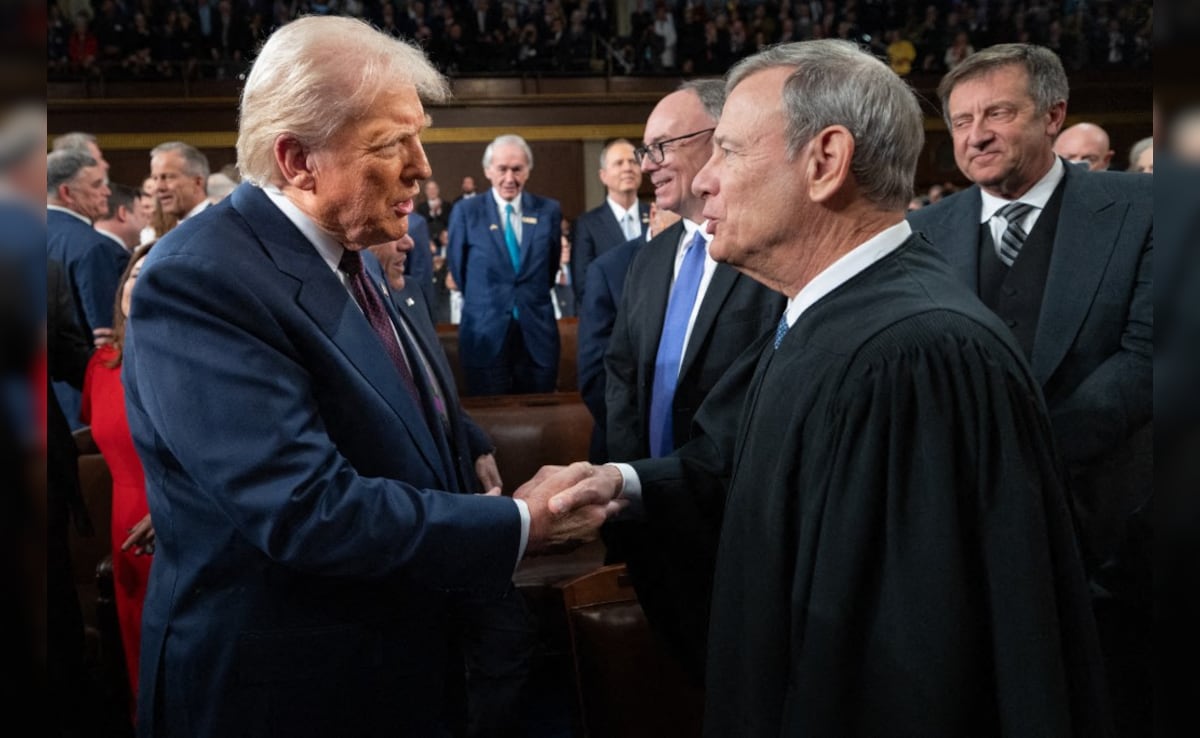
Ketanji Brown Jackson
Justice Jackson also joined the majority. She carried the principle that Congress controls taxation and trade duties unless it clearly transfers that power.
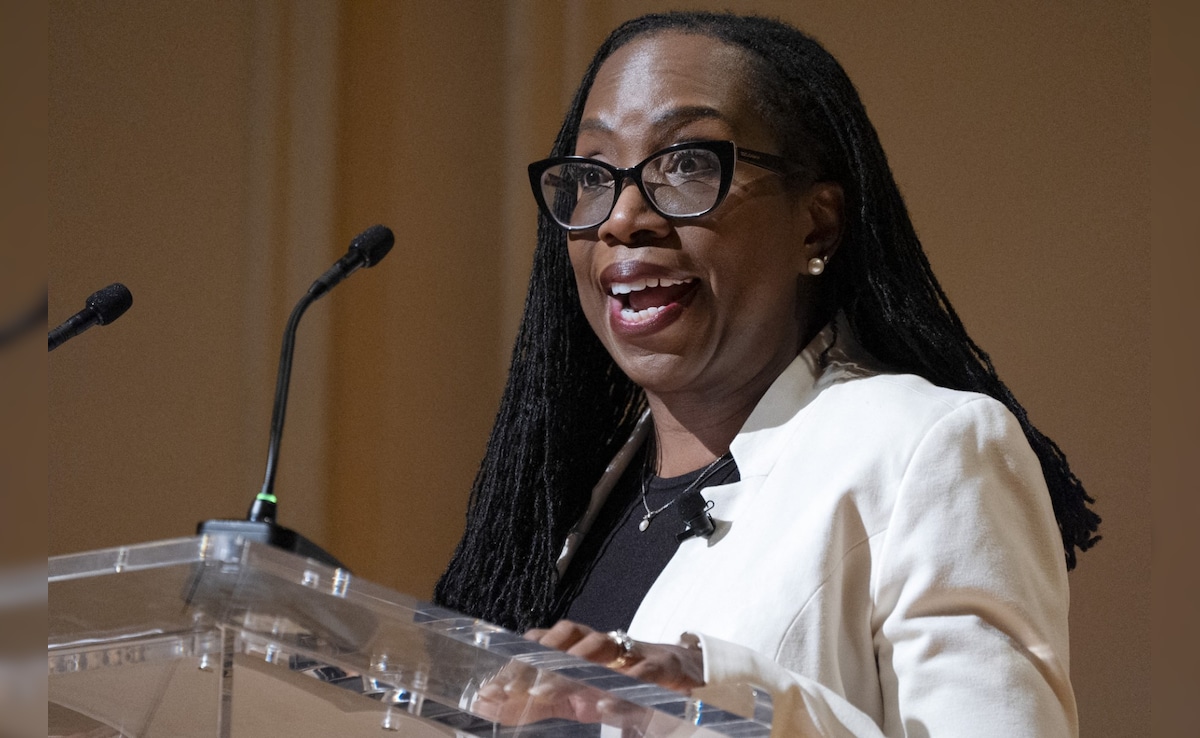
Sonia Sotomayor
Justice Sotomayor joined the ruling, agreeing that IEEPA does not provide sweeping tariff powers.
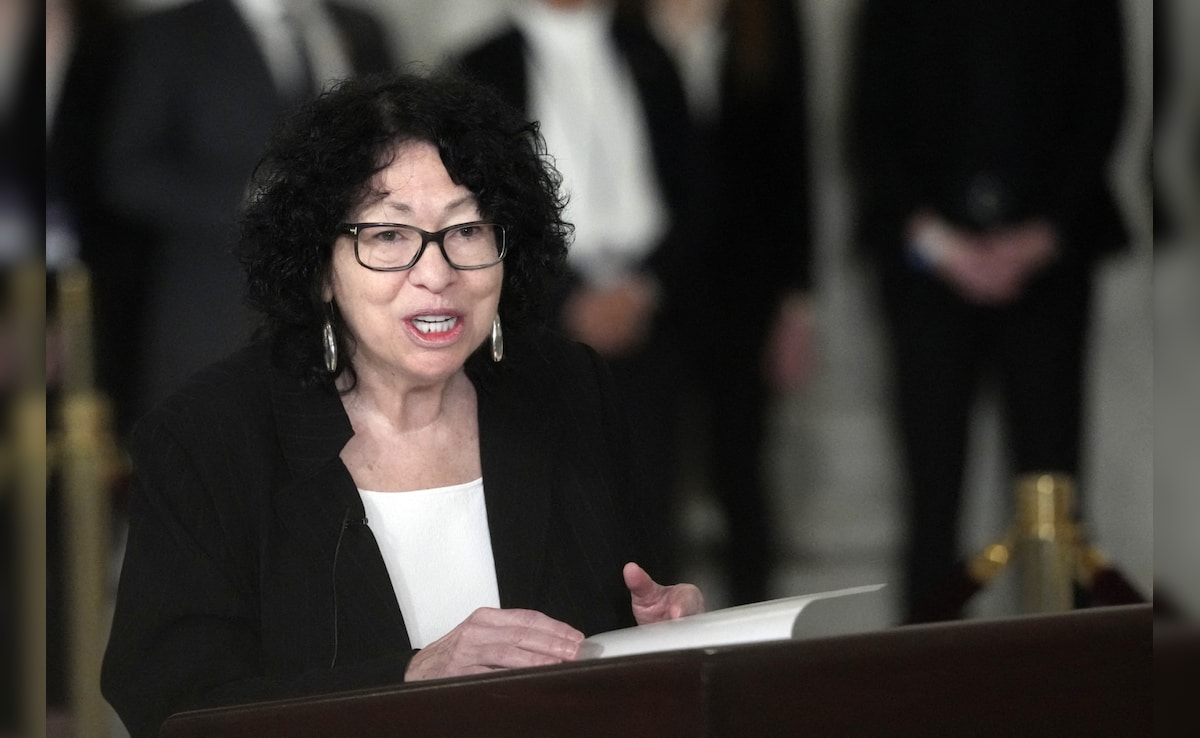
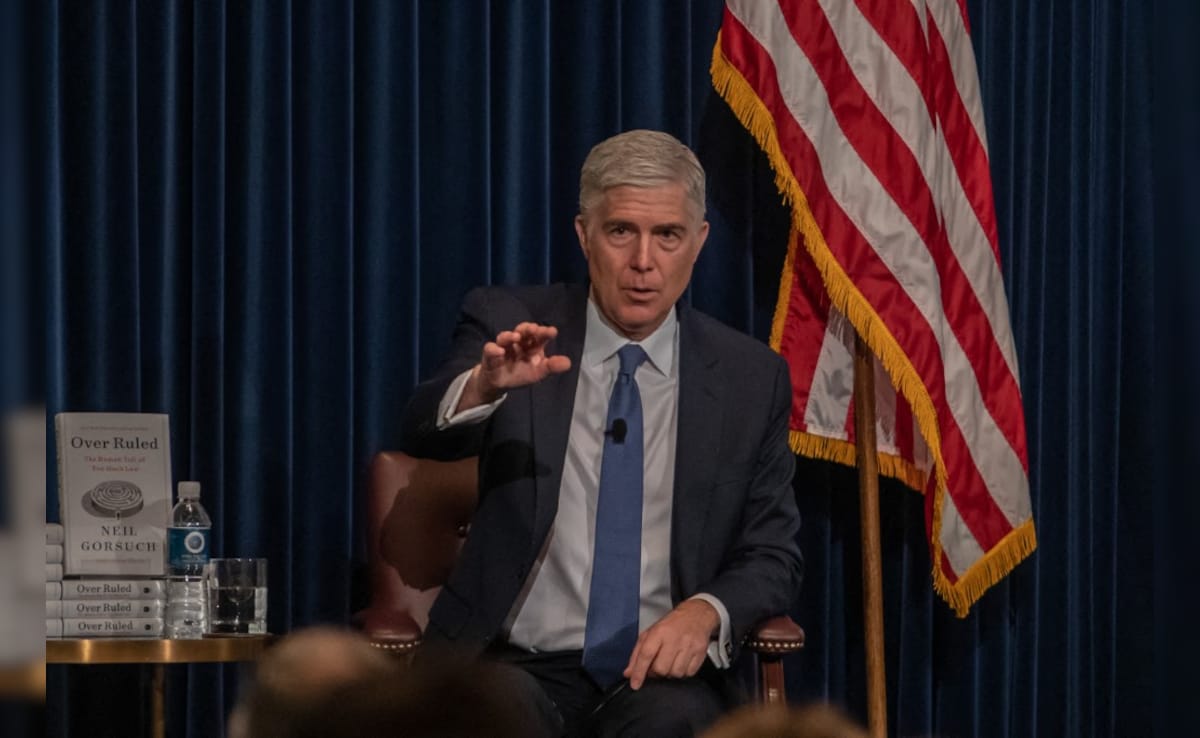
Neil Gorsuch
Justice Gorsuch joined the majority, supporting a strict reading of federal law. He agreed that courts must ensure presidents stay within the authority granted by Congress.
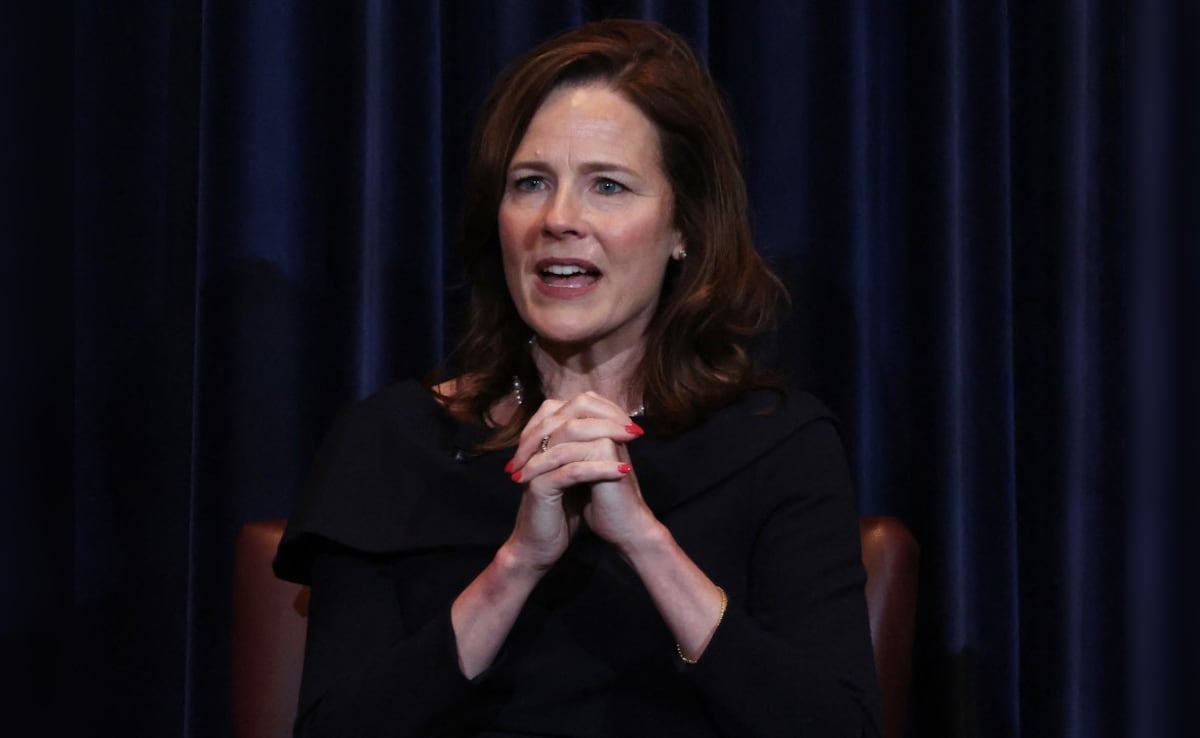
Amy Coney Barrett
Justice Barrett, appointed by Trump, sided with the majority. Her vote pointed out that the case was about statutory limits.
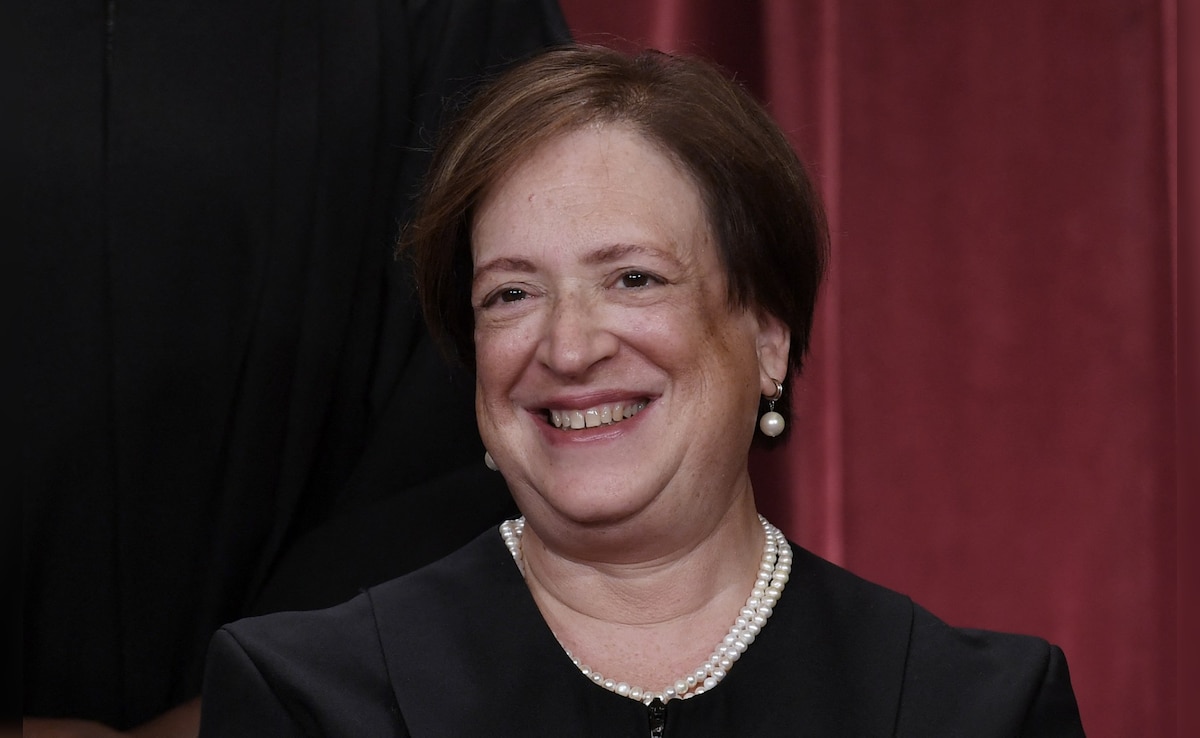
Elena Kagan
Justice Kagan supported the majority view that courts must carefully interpret statutes and not expand executive authority beyond what lawmakers intended.
The Three Justices Who Voted In Favour Of Trump
Three justices disagreed with the ruling and would have upheld the president's tariff authority.
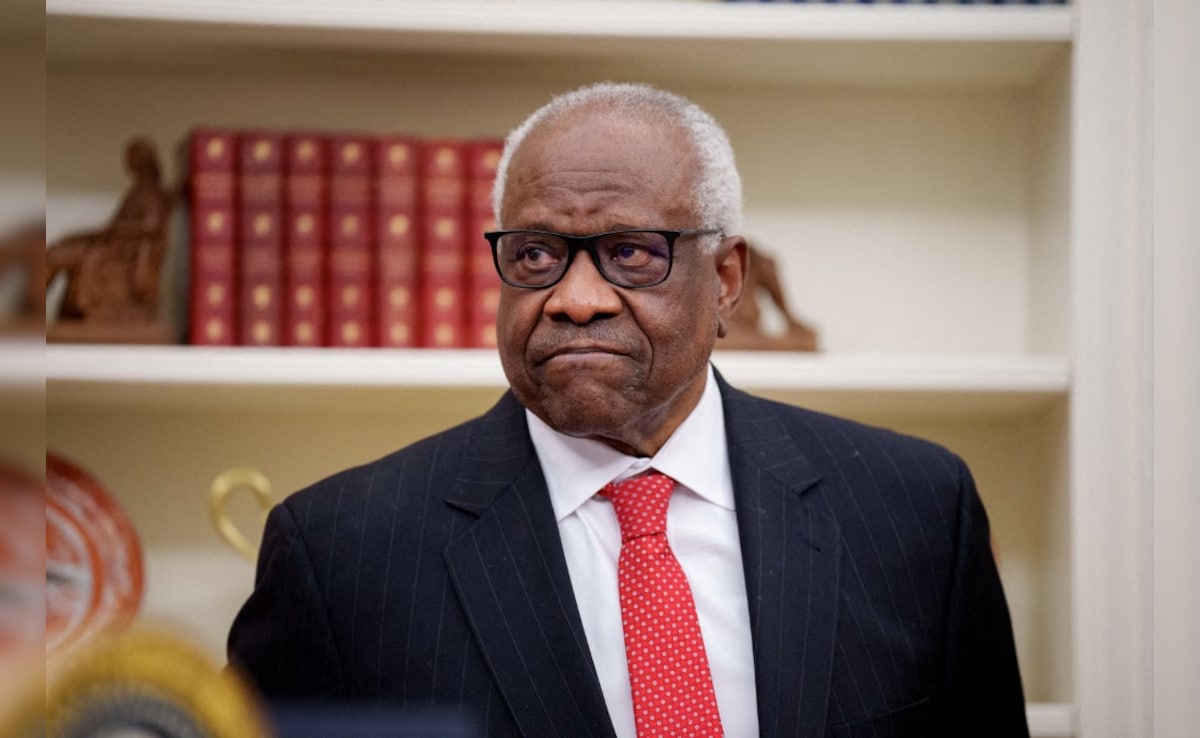
Clarence Thomas
Justice Thomas argued that the Constitution and the statutory text did not justify invalidating the tariffs.
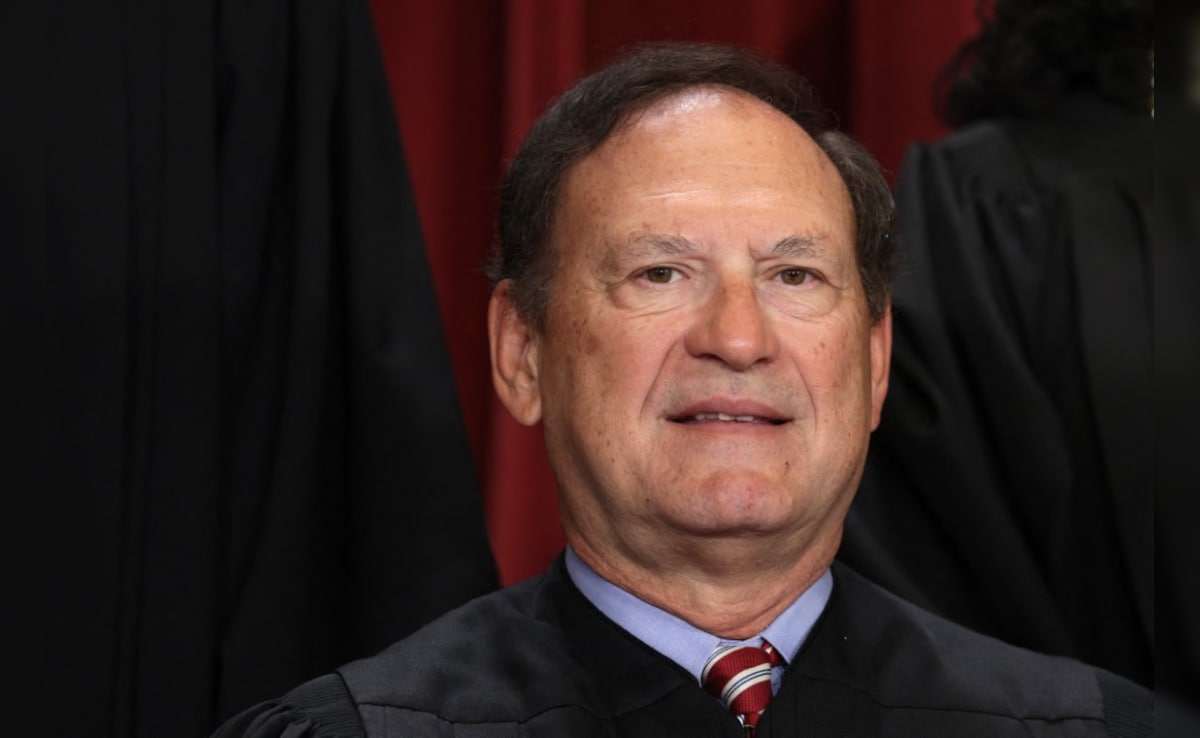
Samuel Alito
Justice Alito rejected the majority's interpretation, supporting overall executive discretion in trade matters.
Brett Kavanaugh
Justice Kavanaugh said that the president's reading of IEEPA should have been upheld.
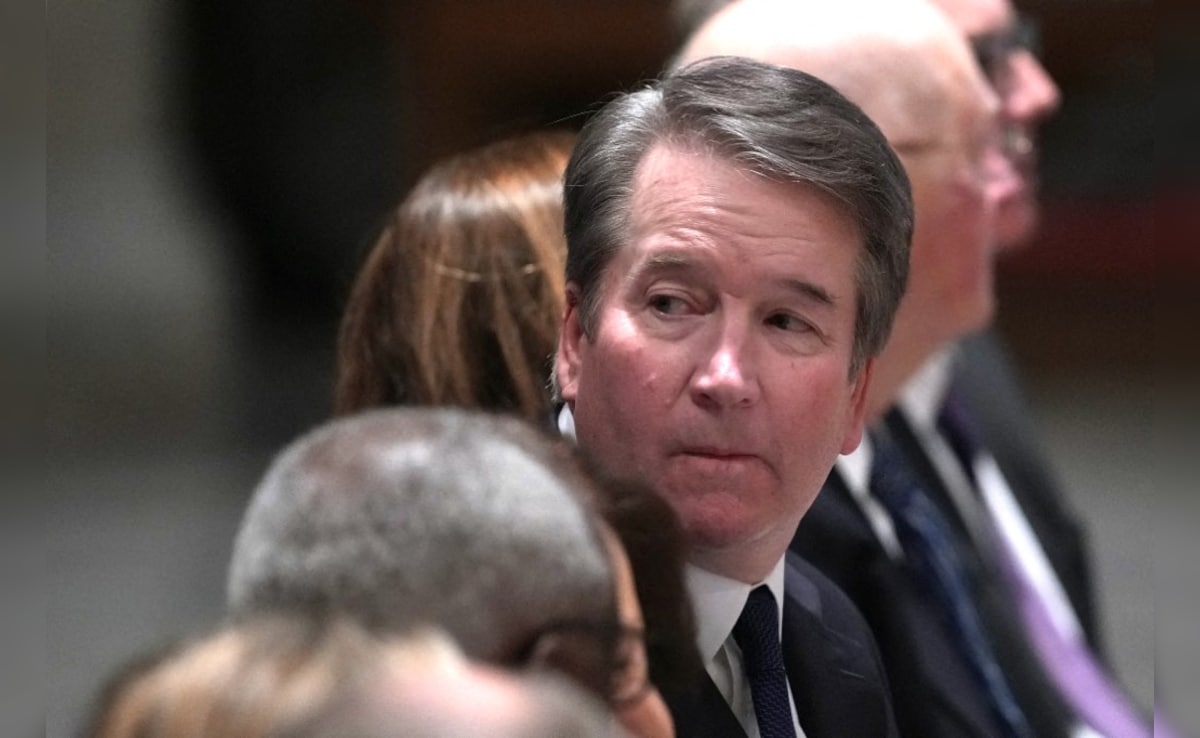
He also said that courts should give greater deference to executive decisions in foreign economic policy.
Track Latest News Live on NDTV.com and get news updates from India and around the world


